





Table of Contents
- Introduction
- What are PU Paints?
- Properties of PU Paints
- Advantages of Using PU Paints
- Applications of PU Paints
- Preparation and Application Process
- Maintenance of PU Coatings
- Conclusion
- Faq's
Introduction
In the world of protective and decorative coatings, polyurethane (PU) paints have emerged as a versatile and high-performance solution. Known for their exceptional durability, chemical resistance, and aesthetic appeal, PU paints are widely used in various industries and applications, ranging from automotive and aerospace to furniture and construction. This comprehensive guide will delve into the details of polyurethane paints, exploring their properties, advantages, applications, preparation and application process, maintenance, and more. Whether you're a seasoned professional or a DIY enthusiast, this guide will equip you with the knowledge you need to make informed decisions about using PU paints for your next project.
What are PU Paints?
Polyurethane (PU) paints are coatings formed from a chemical reaction between a polyol resin and an isocyanate hardener. This reaction creates a tough, durable, and flexible film that adheres strongly to various surfaces. Unlike traditional paints that dry through evaporation, PU paints cure through polymerization, resulting in a much stronger and more resilient finish.
- Two-Component System: Most PU paints are two-component systems (2K) consisting of a base (polyol resin) and a hardener (isocyanate). These components must be mixed in the correct ratio immediately before application.
- One-Component System: One-component (1K) PU paints are also available, relying on moisture in the air to initiate the curing process. These are generally less durable than 2K systems but offer easier application.
- Different Formulations: PU paints come in various formulations to suit different applications, including solvent-based, water-based, and high-solids options. Each type offers a different balance of properties, such as drying time, VOC content, and environmental impact.
- Pigmentation: PU paints can be formulated with a wide range of pigments to achieve virtually any color and finish, from high-gloss to matte.
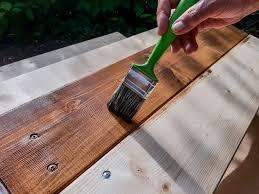 polyurethane coating,pinterest
Properties of PU Paints
The popularity of PU paints stems from their impressive combination of properties:
- Excellent Durability: PU coatings offer exceptional resistance to abrasion, impact, and wear and tear, making them ideal for high-traffic areas and demanding environments.
- Chemical Resistance: They resist damage from a wide range of chemicals, including acids, alkalis, solvents, and oils.
- Weather Resistance: PU paints withstand exposure to UV radiation, moisture, and temperature fluctuations without cracking, fading, or chalking.
- Flexibility: The cured film is flexible, allowing it to expand and contract with the substrate without cracking or peeling.
- Adhesion: PU paints exhibit excellent adhesion to a variety of substrates, including wood, metal, plastic, and concrete.
- Water Resistance: Excellent barrier properties against water ingress.
- Gloss Retention: PU coatings maintain their gloss level for extended periods, even under harsh conditions.
- Fast Drying Time: Faster drying and curing times than traditional paints, especially 2k systems.
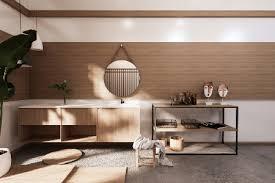 Properties of PU Paints,Sirca Paint
Advantages of Using PU Paints
Compared to other types of paints and coatings, PU paints offer several distinct advantages:
- Longer Lifespan: Due to their superior durability and resistance, PU coatings last longer than traditional paints, reducing the need for frequent repainting.
- Enhanced Protection: They provide excellent protection against abrasion, chemicals, and weathering, extending the lifespan of the underlying substrate.
- Aesthetic Appeal: PU paints offer a wide range of colors and finishes, allowing for aesthetically pleasing and customizable results.
- Easy to Clean: The smooth, non-porous surface of PU coatings makes them easy to clean and maintain.
- Versatility: PU paints can be applied to a variety of surfaces and are suitable for both interior and exterior applications.
- Improved Productivity: Faster drying times contribute to faster project completion and increased productivity.
- Good Value for Money: While initial cost may be higher, longer lifespan and reduced maintenance result in excellent life-cycle cost.
Applications of PU Paints
- Automotive: Used as clear coats for cars, trucks, and motorcycles, providing scratch and UV resistance.
- Aerospace: Protects aircraft exteriors from harsh weather conditions and chemicals.
- Marine: Coats boats and ships, offering protection against saltwater corrosion and fouling.
- Furniture: Provides a durable and attractive finish for wooden furniture, cabinets, and doors.
- Flooring: Used as a protective coating for concrete, wood, and epoxy floors in industrial, commercial, and residential settings.
- Construction: Applied to metal structures, bridges, and pipelines for corrosion protection.
- Industrial Equipment: Protects machinery and equipment from chemicals, abrasion, and weathering.
- Wood Finishing: Enhances and protects wood surfaces.
- Metal Finishing: Provides a durable and corrosion-resistant finish for metal surfaces.
- General Purpose Coatings: Can be used as a top coat or sealant for a wide array of surfaces.
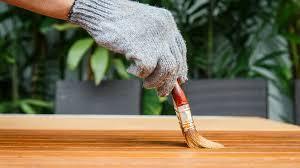 Applications of PU Paints,Nano Polycoat
Preparation and Application Process
- Surface Preparation: Clean and sand the surface to ensure proper adhesion.
- Priming (if necessary): Apply a compatible primer to enhance bonding.
- Mixing: Follow manufacturer guidelines to mix the PU paint and hardener.
- Application: Use appropriate tools (brush, roller, or spray) to apply even coats.
- Curing: Allow sufficient curing time as per the product specifications before use.
Maintenance of PU Coatings
- Regular Cleaning: Use mild detergents and soft cloths to clean surfaces.
- Inspection: Regularly check for any wear or damage.
- Re-coating: Apply touch-ups or complete re-coats as necessary to maintain protection and appearance.
Conclusion
Polyurethane paints offer an excellent combination of aesthetics, durability, and protection for various surfaces. Their versatility makes them a preferred choice across diverse applications. By following proper preparation and maintenance practices, you can ensure that your PU coatings perform optimally over time.

explore further
Latest from Contemporary ideas
More from Innovations
Resources


