




Table of Contents
- Introduction
- The Route
- Timeline and Construction Status
- Economic and Social Benefits
- Environmental Considerations
- Conclusion
- Faq's
Introduction
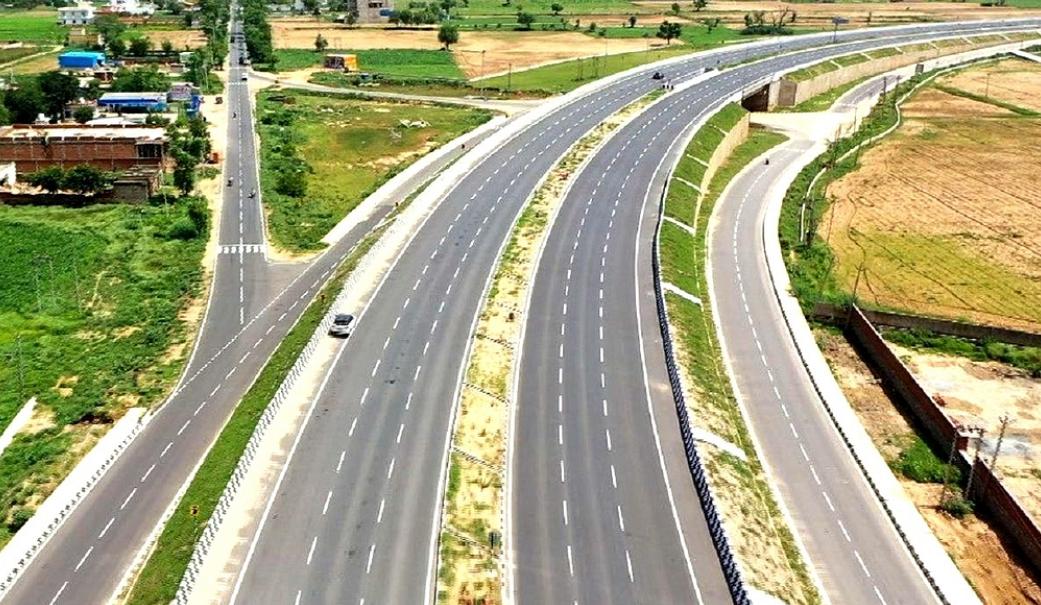
The Bengaluru-Vijayawada Expressway, officially known as NH-544G, represents a pivotal development in India's highway infrastructure. Stretching approximately 518 km (322 miles) from Bengaluru, the capital of Karnataka, to Vijayawada, Andhra Pradesh, this six-lane access-controlled expressway is designed to significantly reduce travel time and enhance economic connectivity between southern and eastern India. As part of the Bharatmala Pariyojana Phase-II initiative, the project not only promises a more efficient transport system but also aims to bolster trade, tourism, and employment opportunities along its route.
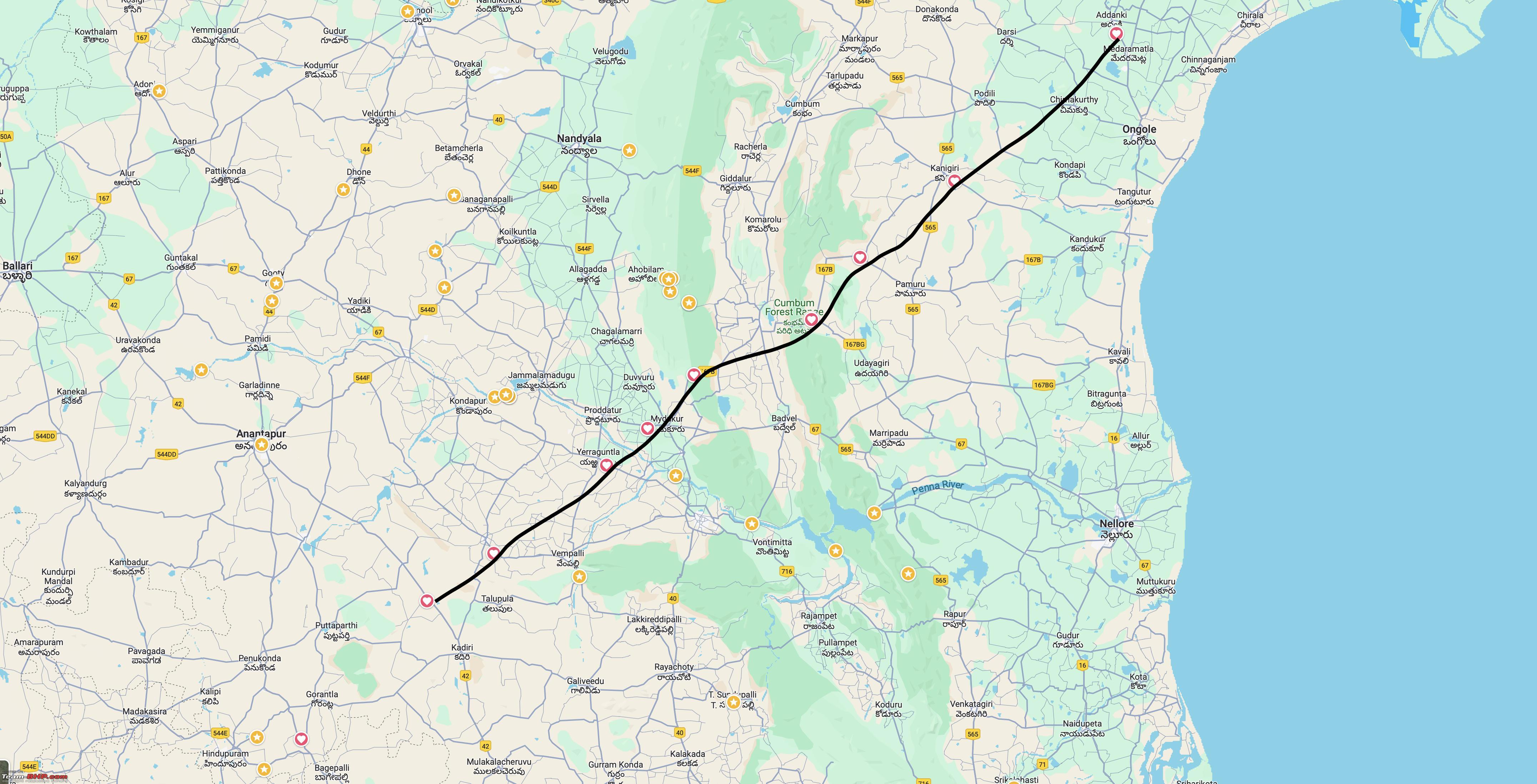 Bangalore-Vijayawad Expressway Route
The Route
The expressway cleverly integrates with existing national highways, starting at Kodikonda on NH-44 (linking to Bengaluru) and concluding at Addanki on NH-16 (connecting to Vijayawada). This strategic design minimizes disruption and maximizes efficiency. The journey traverses a diverse landscape, passing through 11 districts across Karnataka and Andhra Pradesh:
| Karnataka | Andhra Pradesh |
| Bengaluru | Gorantla |
| Devanahalli | Kadiri |
| Chikkaballapur | Nallamada |
| Bagepalli | Pulivendula |
| Mydukur | |
| Kanigiri | |
| Podili | |
| Marripudi | |
| Muppavaram | |
| Chilakaluripet | |
| Guntur | |
| Mangalagiri | |
| Vijayawada |
The route skillfully navigates challenging terrain, incorporating tunnel sections through the Eastern Ghats to minimize environmental impact.
Timeline and Construction Status
Construction activities commenced in March 2023, following the award of 14 packages to contractors. With the foundation stone laid by Prime Minister Narendra Modi on March 11, 2024, and full-scale work anticipated to ramp up, completion is expected by 2026/27. The expressway project is backed by an investment of around ₹14,000 crore (US$1.6 billion), reflecting the government's commitment to improving national infrastructure.
Economic and Social Benefits
The Bangalore-Vijayawada Expressway promises transformative economic benefits. It will drastically reduce transportation costs, boosting trade between South and East India. This will open new avenues for exports and decrease dependence on imports. The improved connectivity will be a boon to tourism, unlocking the potential of the Eastern Ghats region and fostering local economic development. Moreover, the project is expected to generate substantial employment opportunities across various sectors, from construction to related industries, leading to significant socio-economic upliftment in the region. The expressway will also contribute to environmental protection by strategic route planning and afforestation efforts.
Environmental Considerations
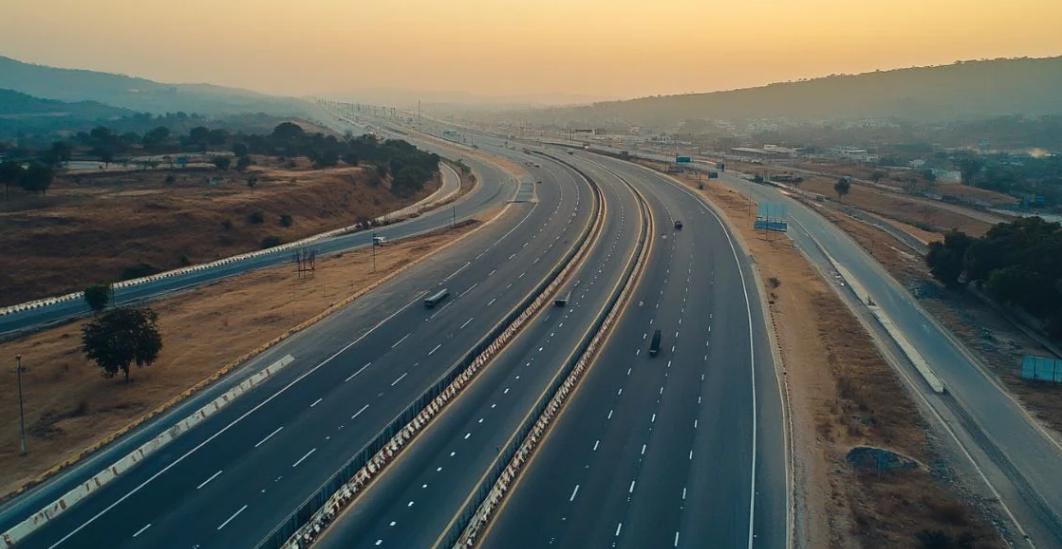
To safeguard the environment, the expressway will feature sustainable practices, including tree planting along its route and tunnel sections through the Eastern Ghats. These efforts aim to minimize ecological impact while maintaining essential transportation links.
Conclusion
The Bengaluru-Vijayawada Expressway is not just a transport corridor; it symbolizes a strategic advancement in India's infrastructure landscape. With its completion, the expressway will facilitate faster, safer travel, bolster economic activities, and serve as a catalyst for regional development. As Southern India prepares for this significant transformation, the expressway stands as a testament to the nation's infrastructural vision.

explore further
Latest from Location Reviews
More from Recommendations
Resources


