





Table of Contents
- Introduction
- Understanding Composting Basics
- Choosing the Right Composter Bin
- What to Compost
- Maintaining Your Compost Bin
- Harvesting Finished Compost
- Advanced Composting Techniques
- Conclusion
- Faq's
Introduction
Composting is an eco-friendly practice that transforms kitchen scraps and yard waste into nutrient-rich soil. Whether you're a beginner or looking to enhance your existing composting skills, understanding the fundamentals of composting, selecting the right bin, and knowing how to maintain your compost are essential for success. This guide will provide you with the essential tips to maximize your home composting efforts, ensuring a rich harvest for your garden.
Understanding Composting Basics
Composting is the natural process of decomposing organic matter. It involves microorganisms, moisture, and air working together to break down materials. Understanding the carbon-to-nitrogen ratio, typically 30:1, is critical for creating a successful compost pile. Factors such as temperature, moisture, and aeration play a significant role in the speed of decomposition.
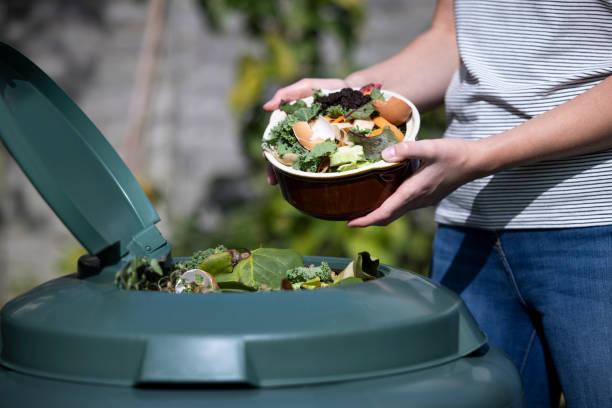 composting tips,iStock
Choosing the Right Composter Bin
Selecting the right compost bin depends on your space, budget, and volume of materials. Options include tumblers, stationary bins, and homemade solutions. Tumblers are great for aeration, while stationary bins can hold larger amounts. Ensure your bin is well-ventilated and insulated to maintain optimal conditions for composting.
What to Compost
A successful compost pile requires a balanced mix of 'greens' (nitrogen-rich materials) and 'browns' (carbon-rich materials). Suitable items include fruit and vegetable scraps, coffee grounds, eggshells (greens), dry leaves, straw, and cardboard (browns). Avoid meat, dairy, and oily foods, as they can attract pests and create odors.
Maintaining Your Compost Bin
To keep your compost bin healthy, turn it regularly to aerate and expedite the breakdown process. Monitor moisture levels; the compost should feel like a damp sponge. If it's too dry, add water or more greens; if too wet, add browns and mix well. Watch for unpleasant odors, which can indicate imbalances in your compost.
Harvesting Finished Compost
Finished compost has a dark, crumbly texture and earthy smell. Depending on conditions, compost can take anywhere from a few weeks to several months to mature. To harvest, simply sift through your compost bin, removing large, undecomposed items, and use the rich compost in your garden to enhance soil health.
Advanced Composting Techniques
For those wanting to take composting to the next level, consider methods such as vermicomposting (using worms), bokashi composting (a fermentation process), or hot composting (building a pile that reaches high temperatures). These techniques can accelerate the composting process and allow for a wider variety of materials to be included.
Conclusion
Maximizing your home composting requires understanding its principles, choosing an appropriate bin, and maintaining the compost effectively. By following these essential tips, you'll not only reduce waste but also create a valuable resource for your garden, promoting a sustainable and healthy ecosystem.

explore further
Latest from Contemporary ideas
More from Innovations
Resources


