




Table of Contents
- Introduction
- Historical Evolution of Tower Cranes in India
- Significance of Tower Cranes in Construction
- Types of Tower Cranes Prevalent in India
- Key Components of Tower Cranes
- Operational Principles
- Safety Standards and Regulations in India
- Leading Tower Crane Manufacturers and Rental Services in India
- Economic Considerations: Pricing and Rental Options
- Maintenance and Inspection Practices
- Challenges and Future Trends in the Tower Crane Market
- Conclusion
- Faq's
Introduction
Tower cranes are indispensable in India's rapidly evolving construction landscape, enabling the efficient handling of heavy materials and facilitating the rise of modern infrastructure. From towering skyscrapers to expansive bridges, these mechanical giants play a pivotal role in shaping the nation's skyline. This comprehensive guide delves into the intricacies of tower cranes within the Indian context, exploring their history, types, components, operational principles, safety standards, and the regulatory framework governing their use.
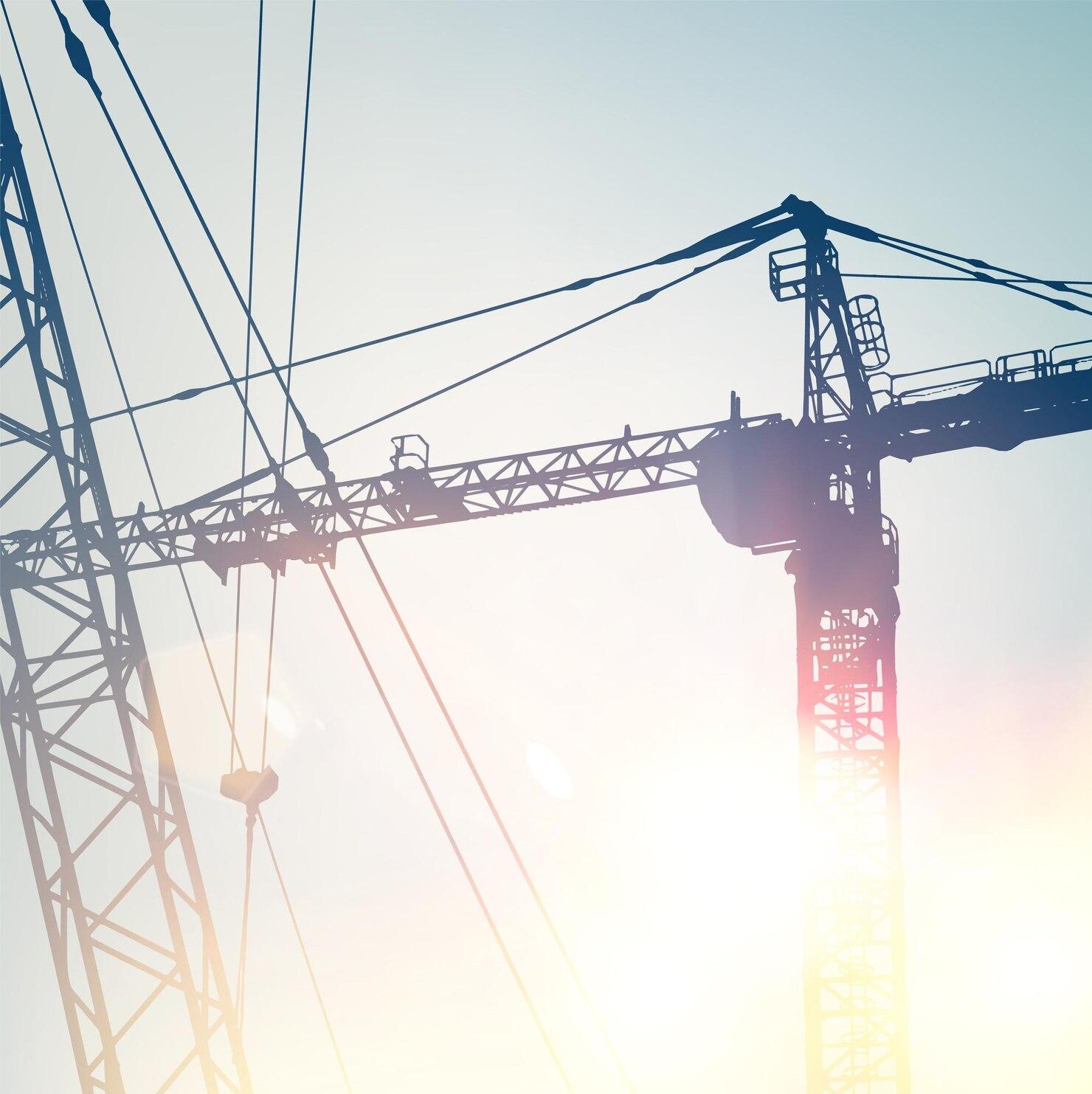 Tower Crane
Historical Evolution of Tower Cranes in India
The journey of tower cranes in India mirrors the nation's industrial growth. The 1980s marked a significant milestone with the introduction of Potain tower cranes, establishing a foundation for modern construction practices. Over the decades, indigenous manufacturers like Action Construction Equipment (ACE) have emerged, contributing to the localization and advancement of crane technology. Today, India not only utilizes imported cranes but also boasts a robust manufacturing sector that caters to domestic and international markets.
Also Read: DPC Construction: How to Protect Your Building from Moisture Damage
Significance of Tower Cranes in Construction
In a country characterized by diverse terrains and burgeoning urban centers, tower cranes offer unparalleled advantages:
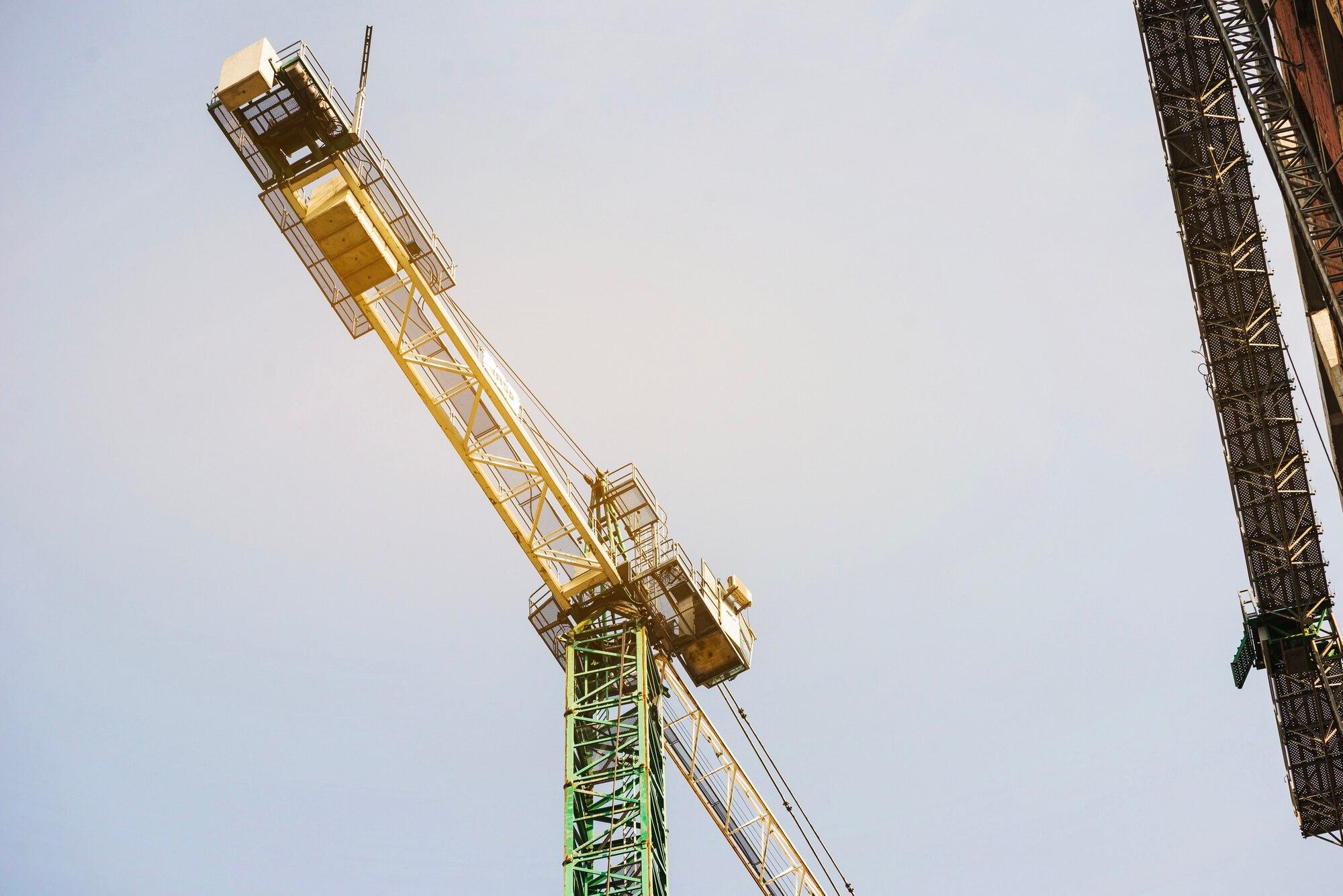 Crane placed in Construction
Enhanced Efficiency
Tower cranes play a vital role in improving efficiency on construction sites by allowing for the seamless transportation of heavy materials across significant heights and distances. Unlike traditional lifting methods, which require extensive manpower and time, tower cranes can hoist and position loads with precision, significantly reducing project timelines. Their ability to handle multiple tasks simultaneously ensures that construction progresses smoothly, minimizing delays and enhancing overall productivity.
Cost-Effectiveness
Investing in or renting tower cranes leads to substantial cost savings by reducing dependency on manual labor for material handling. Since these cranes can lift heavy loads quickly and accurately, construction projects experience faster turnaround times, leading to reduced labor costs and fewer operational expenses. Additionally, their ability to transport large quantities of materials in a single lift decreases the need for excessive logistical arrangements, optimizing resource utilization and overall budget efficiency.
Safety
Safety is a primary concern in the construction industry, and tower cranes significantly mitigate risks associated with manual handling of heavy loads. By mechanizing lifting operations, they reduce the chances of workplace accidents caused by improper material handling, fatigue, or structural collapses. Advanced safety features such as load limit indicators, anti-collision systems, and wind speed monitors further enhance operational security, ensuring a safer working environment for laborers and operators alike.
Types of Tower Cranes Prevalent in India
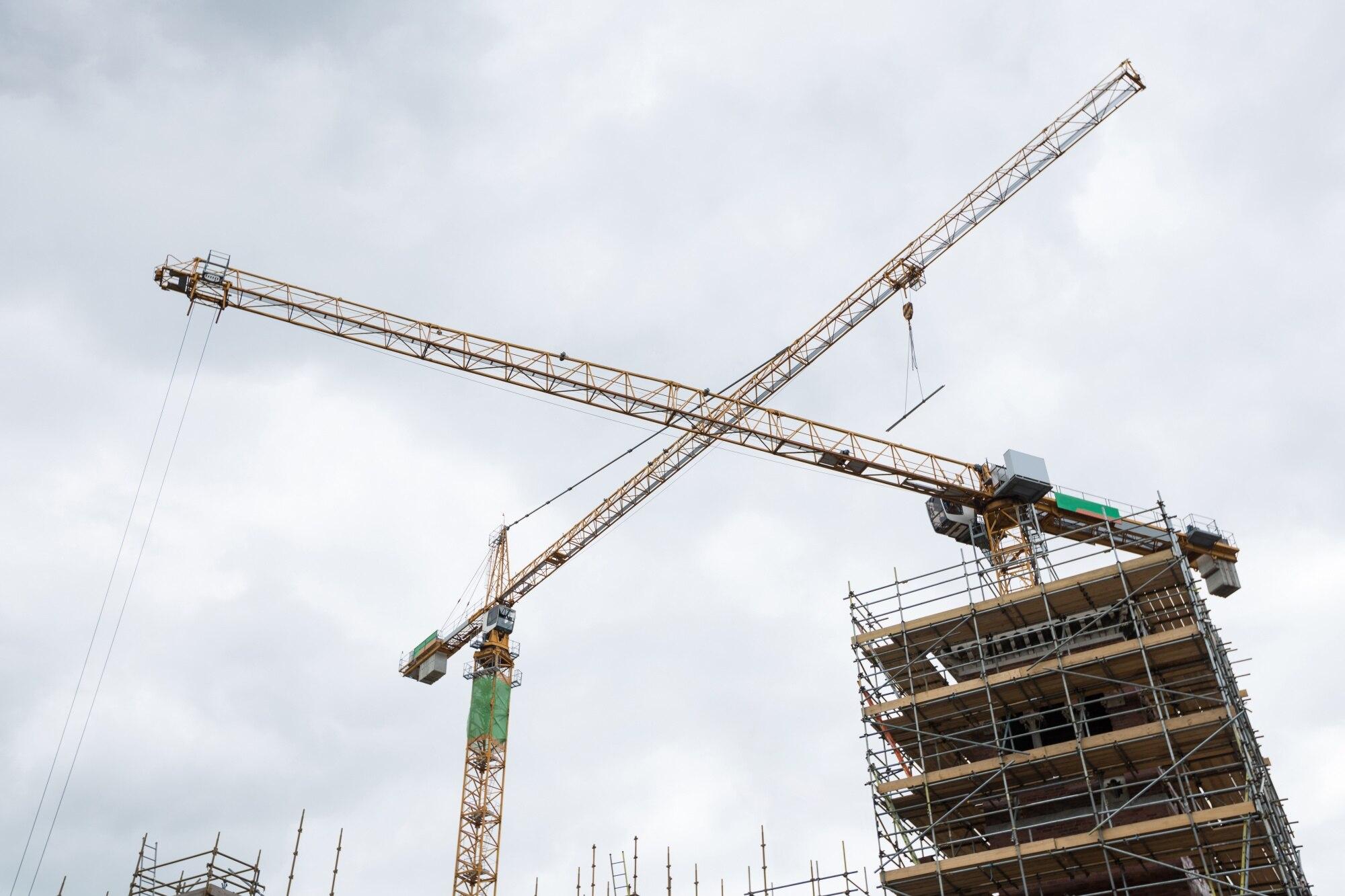 Types of Tower Cranes
Understanding the various types of tower cranes is crucial for selecting the appropriate machinery for specific projects:
Self-Erecting Tower Cranes
Self-erecting tower cranes are a preferred choice for construction sites where space is limited and quick setup is essential. These cranes come with an integrated hydraulic or mechanical system that allows them to be assembled and dismantled without the need for additional heavy machinery. Their compact design and ease of mobility make them suitable for residential and mid-rise commercial projects, where frequent relocation is required. Additionally, their remote-controlled operations enhance efficiency and safety, reducing the need for on-site manpower.
Top-Slewing Tower Cranes
Top-slewing tower cranes are widely used for high-rise and large-scale infrastructure projects due to their superior height and lifting capacities. These cranes have their slewing mechanism positioned at the top of the mast, allowing them to rotate 360 degrees with ease. They are anchored to concrete foundations and can be extended in height as the construction progresses, making them ideal for skyscrapers, bridges, and large industrial developments. Their ability to handle heavier loads and work efficiently in challenging environments makes them indispensable for large-scale construction.
Luffing Jib Tower Cranes
Luffing jib tower cranes are designed specifically for construction sites with restricted working space, such as dense urban areas or sites near existing structures. Unlike standard tower cranes, they feature an adjustable jib that can be raised or lowered to precisely position loads without interfering with surrounding buildings or structures. This makes them particularly useful in congested cityscapes where minimal swing space is available. Their flexibility and precision make them the go-to choice for projects in high-density areas, ensuring efficient and safe material handling.
Also Read: Green Concrete: Your Next Home Could Be Greener Than You Think
Key Components of Tower Cranes
A tower crane's functionality is derived from its meticulously engineered components:
Mast
The mast is the primary vertical structure of a tower crane, providing the necessary height and stability for lifting operations. It is typically constructed from high-strength steel sections that are bolted or welded together to extend the crane's height as needed. The mast is anchored to a robust concrete foundation, ensuring the crane remains secure and steady even when handling heavy loads. Its modular design allows for easy assembly and dismantling, making it adaptable for various construction projects.
Jib (Working Arm)
The jib, also known as the working arm, extends horizontally from the crane's mast and is responsible for carrying and maneuvering loads across the construction site. It is equipped with a trolley mechanism that moves along its length, enabling precise positioning of materials. The length of the jib varies depending on the crane model and project requirements, with longer jibs providing greater reach. This component plays a crucial role in optimizing workflow and ensuring efficient material handling at different points on a site.
Counter Jib
The counter jib is positioned opposite the working arm and serves as a counterbalance by holding counterweights, which help maintain the crane's stability during operations. Without the counter jib, the crane would be prone to tipping over due to the heavy loads it lifts. The counterweights, often made of concrete or steel, are carefully calibrated to match the lifting capacity of the crane, ensuring smooth and safe operation. This balancing mechanism is essential for maintaining structural integrity under varying load conditions.
Slewing Unit
The slewing unit is a critical component that allows the crane to rotate a full 360 degrees, providing flexibility in material handling. Located at the top of the mast, this unit consists of a motor and a gear mechanism that controls the crane's rotational movements. The ability to rotate ensures that materials can be moved across different sections of the site without repositioning the entire crane. This functionality is especially valuable in confined spaces where maneuverability is limited.
Operator's Cabin
The operator's cabin is the control center of the tower crane, housing all the necessary controls and safety systems required for smooth operation. It is typically positioned at a height that provides the operator with a clear view of the site, allowing for precise load movements. Equipped with joysticks, control panels, and monitoring screens, the cabin enables the operator to manage the crane's functions efficiently. Modern cabins are designed for comfort, featuring air conditioning, ergonomic seating, and noise reduction systems to enhance the operator's focus and productivity.
Operational Principles
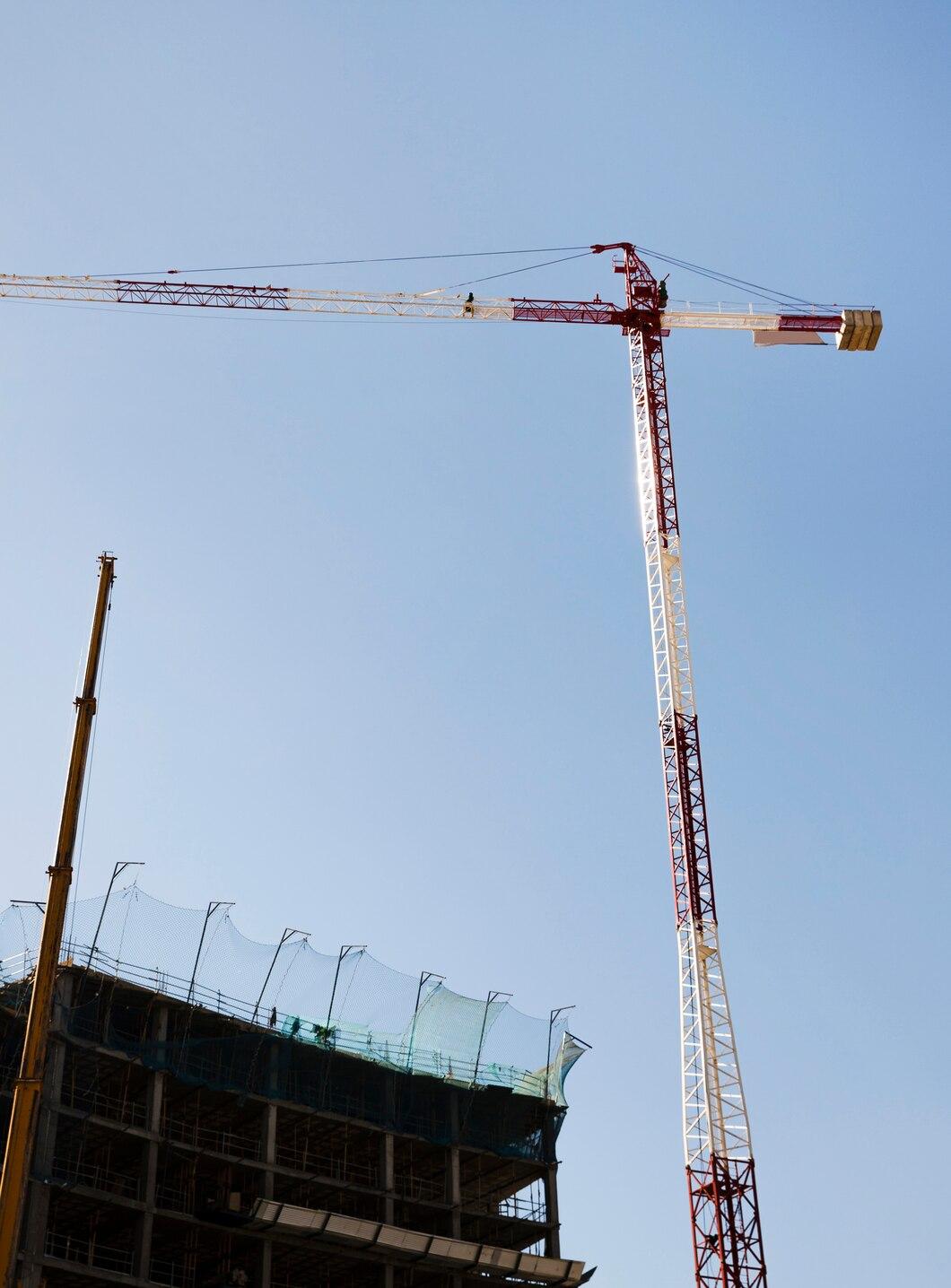 Operational Principles of Cranes
The efficiency of tower cranes hinges on their operational mechanics:
Erection and Dismantling
The erection and dismantling of tower cranes are complex processes that require careful planning and precision. Cranes are typically assembled on-site using mobile cranes to lift and position their components, such as the mast, jib, and counter jib. The process begins with securing the mast to a reinforced concrete foundation, ensuring stability. As construction progresses, additional mast sections can be added to extend the height. Self-erecting tower cranes simplify this process with built-in hydraulic systems that allow for quick and efficient setup without additional lifting equipment. Similarly, dismantling involves reversing the assembly process, often requiring specialized teams to ensure safety and efficiency.
Load Management
Effective load management is crucial for ensuring the safe and efficient operation of tower cranes. Operators rely on advanced control systems to maneuver loads with precision, following predefined load charts that specify weight limits at different jib lengths. These charts help prevent overloading and ensure the crane operates within its structural capacity. The trolley mechanism moves along the jib to distribute weight efficiently, while the counterweights on the counter jib help maintain balance. Proper load management minimizes the risk of structural stress, prevents tipping incidents, and optimizes material handling throughout the construction process.
Safety Protocols
Strict safety protocols are implemented to prevent accidents and ensure smooth crane operations. Modern tower cranes are equipped with automatic safe load indicators that alert operators when a load exceeds the crane's capacity, preventing overloading. Anemometers are installed to monitor wind speeds, as strong winds can compromise stability and lifting precision. Additionally, limit switches control crane movement, ensuring safe operational boundaries, while anti-collision systems help prevent crashes in crowded construction sites. Regular inspections, proper operator training, and adherence to national safety regulations further enhance workplace safety and minimize risks associated with tower crane operations.
Also Read: Geopolymer Concrete in Construction: Applications, Benefits & Challenges
Safety Standards and Regulations in India
Ensuring safety in crane operations is paramount. In India, several standards and regulations govern the use of tower cranes:
- Bureau of Indian Standards (BIS): Publishes guidelines such as IS 13367-1 (1992), outlining the safe use of cranes, including aspects like installation, testing, maintenance, and operation.
- Directorate General, Factory Advice Service & Labour Institutes (DGFASLI): Provides directives to ensure workplace safety concerning crane operations.
- The Cranes (Safety Requirements) Order, 2018: Mandates safety protocols and compliance measures for crane operations across the country.
Leading Tower Crane Manufacturers and Rental Services in India
The Indian market is home to several prominent manufacturers and service providers:
- Action Construction Equipment (ACE): A leading manufacturer offering a diverse range of tower cranes tailored to various construction needs.
- Potain India: With a manufacturing facility in Pune, Potain produces models like MCT85 and MC125, adhering to international quality standards.
- Anupam Industries Limited: In collaboration with European partners, Anupam offers CE-certified tower cranes, ensuring compliance with European safety standards.
- ACE Rentals: As India's largest tower crane rental company, ACE Rentals provides a fleet of cranes for diverse projects, eliminating the need for significant capital investment.
Economic Considerations: Pricing and Rental Options
The cost of tower cranes in India varies based on specifications and capacities:
- Purchase Prices: Models like the Potain MC125 are priced between ₹79 to ₹81 lakh, while ACE offers models like the MTC 3625 ranging from ₹29 to ₹31 lakh.
- Rental Services: For projects where purchasing isn't feasible, rental services offer flexibility. Companies like ACE Rentals provide cranes with varying capacities and jib lengths, catering to specific project requirements.
Maintenance and Inspection Practices
Regular maintenance and inspections are crucial to ensure optimal performance and safety of tower cranes. The following practices are recommended:
Routine Maintenance
- Lubrication of Moving Parts- Regular application of lubricants to gears, pulleys, and bearings ensures smooth operation and prevents wear.
- Hydraulic System Check- Hydraulic fluid levels must be monitored to avoid operational failure.
- Structural Integrity Inspection- The mast, jib, and counter-jib should be checked for signs of wear, corrosion, or stress fractures.
- Cable and Hook Inspection- Steel cables and hooks must be examined for fraying, deformation, or damage.
- Load Testing- Periodic testing ensures that cranes can handle their designated weight capacities safely.
Annual and Periodic Inspections
- Third-Party Certification- The Indian government mandates inspections by certified professionals to confirm compliance with BIS safety standards.
- Electrical System Review- Ensuring that limit switches, safety alarms, and electrical controls are functioning correctly.
- Wind Load Resistance Check- Since high winds are common in India, testing a crane's ability to withstand wind pressure is critical.
Challenges and Future Trends in the Tower Crane Market
Challenges
- High Initial Investment Costs- Purchasing a tower crane can be expensive, which is why many small and mid-sized companies opt for rentals.
- Lack of Skilled Operators- Despite training programs, the availability of certified crane operators remains low.
- Regulatory Compliance- Keeping up with evolving safety standards and obtaining necessary clearances can be a challenge.
- Space Constraints in Urban Areas- The dense infrastructure in cities like Mumbai, Delhi, and Bangalore makes it difficult to set up large tower cranes.
Future Trends
- Automation & IoT Integration- Smart cranes with remote monitoring, GPS tracking, and automated safety alerts are being introduced.
- Increased Rental Market Growth- As more companies prefer renting over buying, rental services are expected to expand.
- Eco-Friendly Innovations- Hybrid and electric tower cranes are being explored to reduce carbon footprints.
- Government Initiatives- Infrastructure projects under the Smart Cities Mission and Bharatmala are driving crane demand.
Conclusion
Tower cranes are a cornerstone of India's booming construction industry, enabling efficient and safe building of high-rises, bridges, and other major infrastructure. With rapid urbanization, the demand for these machines continues to grow. However, challenges such as high costs and operator shortages need to be addressed. Technological advancements, increased rental options, and government regulations are shaping the future of the tower crane industry in India.

explore further
Latest from Editorials
More from Publications
Resources


