




Table of Contents
- What is Bhoomi Pooja?
- Key Aspects of Bhoomi Pooja
- Which are the Auspicious Months to Do Bhoomi Puja Ritual and Why?
- Bhoomi Pooja Muhurats 2025
- Month-wise list of auspicious dates for Bhoomi Puja in 2025
- When Should You Avoid Bhoomi Pooja?
- Process of Bhoomi Pooja
- Essential Items for Bhoomi Pooja Ritual
- Advantages of Bhoomi Pooja
- Conclusion
- Faq's
What is Bhoomi Pooja?
In India, the journey of building a new home is considered a sacred endeavor which have been deeply ingrained in our cultural fabric. Therefore, before the commencement of the work to build the physical structure starts, It's believed that seeking divine blessings before such a pivotal task ensures not just success but also invites an abundance of prosperity into the new abode.
Many aspects of our lives are influenced by Vastu Shastra, the ancient architectural science. An important component to this belief system is the ritual of Bhumi Pujan, which involves a ceremony to honor the earth and seek assistance from celestial beings. This ritual marks the beginning of the construction process and is performed at the northeast corner of the site as it symbolises auspiciousness and harmony with the natural elements.
In addition to its spiritual significance, Bhumi Pujan is also considered as a gesture of respect and gratitude towards Mother Earth, thanking her role as the ultimate provider and sustainer of life. By invoking blessings and positive energies through this ritual, homeowners aim to create a harmonious and prosperous living environment for themselves.
It is important to understand, in Indian culture, Bhumi Pujan encapsulates a deeper spiritual philosophy, beyond its ceremonial aspects. A philosophy that celebrates the symbiotic relationship between humanity and the divine signaling auspicious beginnings in the sacred journey of homebuilding.
Therefore, when choosing the auspicious dates to begin the bhumi pooja, make sure to check if the month is auspicious, which includes the auspicious muhurat, tithi and nakshatra.
In this article, we will guide you in every aspect of Bhoomi Pujan and will also share the best time to do Bhoomi Pujan in 2025 along with bhoomi pujan muhurat.
 Bhoomi Puja is done before the commencement of building a house
Also Read: Best Vastu Colors for Homes in 2025: Balance, Prosperity, and Peace
Key Aspects of Bhoomi Pooja
Aspect | Details |
Favorable Months for Bhoomi Pujan | Vaisakha (Baisakh), Phalguna, Kartik, Maagh, Bhadrapada, Pausha, Agrahayana, Sravana |
Months Unsuitable for Bhoomi Pujan | Chaitra, Jyeshtha, Ashad, Ashwin |
Auspicious Nakshatra for Bhoomi Pujan | Uttaraphalguni, Uttarashada, Uttarabhadrapada, Rohini, Mrigshira, Revati, Chitra, Anuradha, Shatbhisha, Swati, Dhanishtha, Hasta, Pushya |
Auspicious Tithis for Bhoomi Pujan Ceremony | Dwitiya, Tritiya, Panchami, Saptami, Dashmi, Ekadashi, Thrayodashi, Purnima |
Ideal Days for Bhoomi Pujan Ceremony | Monday and Thursday |
Days to Avoid for Bhoomi Poojan | Saturday, Sunday, Tuesday |
Importance | As per the principal of Vastu Shastra, It helps to get rid of Vastu doshas, negative energies and seeks the blessing of Mother Earth. |
Also Read: Vastu Tips for Home in 2025: Attract Good Luck and Prosperity
Which are the Auspicious Months to Do Bhoomi Puja Ritual and Why?
Hindu Month | Corresponding Months (Georgian calendar) | Benefits |
Vaisakha | April and May | Ensures prosperity and Good wealth |
Phalguna | March and April | Ensures Good health and wellness |
Kartik | October and November | Brings joy and happiness to the homeowner |
Maagh | January and February | Ensures success and achievement in all aspects of life |
Bhadrapada | August to September | Auspicious |
Pausha | December to January | Auspicious |
Agrahayana | November to December | Auspicious |
Sravana | July to August | Auspicious |
Bhoomi Pooja Muhurats 2025
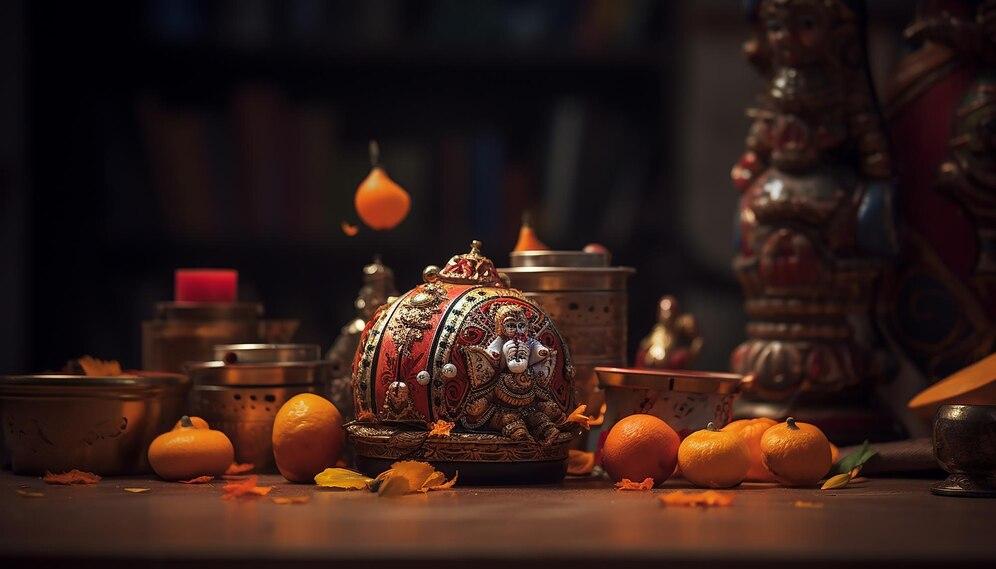 Bhoomi Pooja Muhurats 2025
Bhoomi Puja, a sacred ritual performed to honor Mother Earth, is a vital step in ensuring a harmonious start to any construction project. The selection of an auspicious date, known as the Muhurat, plays a pivotal role in this ceremony. It aligns the energies of the cosmos with the elements of the land, ensuring prosperity, peace, and a smooth construction process. These dates are carefully calculated based on the Hindu Panchang, considering planetary positions, lunar phases, and other astrological factors.
In 2025, several Muhurats are available for Bhoomi Puja, spread across different months. These dates not only hold spiritual significance but also reflect the best time to begin new endeavors as per Vedic traditions. By consulting the Panchang or an astrologer, homeowners can ensure that their Bhoomi Puja is conducted at the most opportune time to maximize positivity and blessings.
Also Read: Kuber Vastu: Unlocking the Secrets of Wealth and Prosperity for Your Home
Month-wise list of auspicious dates for Bhoomi Puja in 2025
|
Month |
Date |
Day |
Muhurat Timings |
Nakshatra |
|
January |
15th |
Wednesday |
7:14 AM - 10:28 AM |
Mrigashira |
|
|
22nd |
Wednesday |
7:14 AM - 3:18 PM |
Punarvasu |
|
|
30th |
Thursday |
6:33 AM - 7:10 AM (Jan 31) |
Uttara Phalguni |
|
February |
10th |
Monday |
6:01 AM - 6:58 PM |
Anuradha |
|
|
20th |
Thursday |
3:09 PM - 6:54 AM (Feb 21) |
Revati |
|
|
21st |
Friday |
6:54 AM - 11:58 AM |
Revati |
|
March |
7th |
Friday |
12:05 AM - 9:09 AM |
Uttara Phalguni |
|
|
10th |
Monday |
7:45 AM - 12:51 AM (Mar 11) |
Hasta |
|
April |
14th |
Monday |
5:57 AM - 12:13 AM (Apr 15) |
Chitra |
|
|
21st |
Monday |
5:50 AM - 6:29 AM |
Swati |
|
|
30th |
Wednesday |
5:41 AM - 12:01 PM |
Anuradha |
|
May |
1st |
Thursday |
11:24 AM - 2:21 PM |
Shravana |
|
|
7th |
Wednesday |
6:17 PM - 11:22 PM |
Hasta |
|
|
28th |
Wednesday |
5:25 AM - 12:29 AM (May 29) |
Purva Bhadrapada |
|
June |
12th |
Thursday |
5:24 AM - 5:23 AM (Jun 13) |
Dhanishta |
|
|
20th |
Friday |
5:25 AM - 9:45 PM |
Purva Bhadrapada |
|
|
29th |
Sunday |
10:30 AM - 12:00 PM |
Purva Bhadrapada |
|
July |
17th |
Thursday |
8:08 AM - 2:51 AM (Jul 18) |
Punarvasu |
|
|
31st |
Thursday |
12:42 AM - 4:59 AM (Aug 1) |
Ashlesha |
|
August |
1st |
Friday |
6:11 PM - 3:40 AM (Aug 2) |
Magha |
|
|
25th |
Monday |
5:56 AM - 3:50 AM (Aug 26) |
Uttara Ashadha |
|
September |
4th |
Thursday |
6:01 AM - 11:44 PM |
Vishakha |
|
|
13th |
Saturday |
6:12 PM - 6:06 AM (Sep 14) |
Anuradha |
|
October |
23rd |
Thursday |
4:51 AM - 6:28 AM (Oct 24) |
Jyeshtha |
|
|
24th |
Friday |
6:28 AM - 1:20 AM (Oct 25) |
Moola |
|
November |
7th |
Friday |
2:48 PM - 9:16 PM |
Shatabhisha |
|
December |
15th |
Monday |
5:45 AM - 6:12 PM |
Bharani |
|
|
23rd |
Tuesday |
6:10 AM - 4:22 PM |
Rohini |
Note: The above dates and times are based on general Panchang calculations. For personalized Muhurat, considering individual horoscopes and local Panchang, it is advisable to consult with a qualified astrologer or priest.
When Should You Avoid Bhoomi Pooja?
Bhoomi Pooja is a sacred ritual, and its success depends heavily on performing it during auspicious timings. There are specific periods, known as inauspicious or "Ashubh" Pakshas, when it is strongly recommended to avoid conducting Bhoomi Pooja. These periods are believed to bring negativity, hinder progress, and disrupt harmony in the construction process.
One such time to avoid is Chaturmas, a four-month period during the monsoon season when auspicious activities, including weddings and Bhoomi Pooja, are not performed. It is traditionally believed that during this time, the deities rest, and any ritual conducted may not yield the desired blessings. Similarly, Pitra Paksha, a 15-day period dedicated to honoring ancestors, is also considered inauspicious for starting new endeavors like Bhoomi Pooja.
Other times to avoid include Amavasya (new moon days) and days under Bhadra Tithi, as these are believed to carry negative energies. Additionally, astrologically challenging periods, such as when the Moon is in unfavorable nakshatras like Bharani or Kritika, or when Rahu Kalam (inauspicious time of day) overlaps with the planned puja, should also be avoided. Consulting an astrologer or priest is essential to ensure these times are excluded when planning Bhoomi Pooja.
Process of Bhoomi Pooja
In the process of Bhoomi Pooja, the first step is of purification of the land. The land is purified by sprinkling Panchgavya which is made with cow dung, cow ghee, cow urine, cow milk and cow curd, Panchgavya Sarvaushadhi, Panchamrit made with milk, curd, ghee, sweet and sugar, and clean water.
A Kalash is established, and Lord Ganesha, Navgrahas, Lord Varuna, and the beautiful earth are worshipped.
Dikpalas, Kuldevtas, and Nagas are also worshipped. A stambharopan ceremony is performed, followed by offerings to the gods. The Lord of Vastu is worshipped, and a
Vastu Purusha is made with the paste of grinded rice. Vastu Mantras are chanted to invoke Vastu Purusha, and pooja is performed with available pooja materials. The foundation stone is then dug with a Nag Mantra, and sweets and fruits are distributed
For Christians, laying the foundation stone is a significant event in the construction of a church building. A service is conducted to lay the foundation stone, which includes prayers, hymns, scripture readings, and the laying of the foundation stone. The service is a time of worship and dedication, seeking God's blessing on the construction project and the people involved
In general, the process of laying the foundation stone involves preparing the site, setting the foundation stone in place, and performing any necessary ceremonies or rituals. This may include prayers, offerings, or other acts of dedication, depending on the cultural or religious traditions of the people involved.
Essential Items for Bhoomi Pooja Ritual
 Essentials Items for Bhoomi Pooja Ritual
Idols of deities: Include representations of Lord Ganesha, Goddess Lakshmi, Snake God, and other relevant deities.
Holy Water or Gangajal: For cleansing the pooja area and ensuring purity.
Kalash: A pot filled with water, adorned with a coconut and mango leaves.
Havan Kund: A sacred fire pit where the havan ceremony will take place.
Other Items for Bhumi Pujan:
Rice, coconut, durba, betel leaves, betel nuts, flowers, fruits, mishri, prasad, camphor, incense sticks, cotton for arti, oil or ghee, diya, water, Ganga jal, turmeric powder, cardamom, cloves, kumkum, roli, kalava (red thread), paper towels, pickaxe, quarter coins, kalash, mango leaves, Navratnas (nine types of gems), Panchdhatu (five metals), green limes, and Nava Dhanyam (nine types of seeds).
Advantages of Bhoomi Pooja
Spiritual Significance: Bhoomi Pujan marks the beginning of a new journey in the sacred process of homebuilding, imbuing the endeavor with spiritual blessings and divine assistance.
Cultural Tradition: Rooted deeply in Indian culture, Bhoomi Pujan reflects the reverence and respect for Mother Earth and the celestial beings, honoring their role in the creation and sustenance of life.
Positive Energy: By seeking blessings through Bhoomi Pujan, individuals aim to invite positive energies into their new home, fostering an environment of harmony, prosperity, and well-being.
Removal of Obstacles: The ritual helps in removing Vastu doshas and negative energies, ensuring a smooth and obstacle-free construction process.
Gratitude and Respect: Performing Bhoomi Pujan is a gesture of gratitude towards Mother Earth for providing the land and resources necessary for building a home, fostering a sense of respect and responsibility towards the environment.
Conclusion
Bhoomi Pujan holds a sacred place in the culture of India as it symbolises the harmonious relationship between humanity and the divine forces of nature. Beyond its ceremonial aspects, Bhoomi Pujan encapsulates a deeper spiritual philosophy, signifying auspicious beginnings and invoking blessings for the journey of homebuilding.
As individuals embark on the journey of constructing a new home, it is imperative to honor tradition and seek divine blessings through Bhoomi Pujan. By aligning with auspicious dates, performing rituals with devotion, and imbuing the process with positive intentions, homeowners can lay a strong foundation not just for their physical abode but also for a life filled with abundance, harmony, and prosperity.

explore further
Latest from Editorials
More from Publications
Resources


