





Table of Contents
- Introduction
- Understanding Neurodiversity
- Principles of Calming Home Design
- Color Schemes
- Furniture and Layout
- Lighting Considerations
- Textures and Materials
- Sound Management
- Personalization and Flexibility
- Outdoor Spaces
- Conclusion
- Faq's
Introduction
Creating a calming environment is essential for promoting well-being, especially for neurodiverse individuals who may experience sensory overload or anxiety in traditional home settings. Neurodiversity encompasses a variety of cognitive differences, including autism spectrum disorder, ADHD, dyslexia, and other conditions, each requiring specific accommodations in home design. This guide will explore key principles of staging homes that foster tranquility through thoughtful design, color schemes, furniture layouts, lighting considerations, and personal touches.
Understanding Neurodiversity
Neurodiversity refers to the concept that neurological differences are to be recognized and respected as any other human variation. This perspective encourages embracing the unique cognitive profiles of individuals rather than viewing them as deficits. For neurodiverse individuals, home environments can significantly impact comfort and functionality. Understanding how their senses engage with the world is critical in staging a home that supports their needs. This includes considering sensory sensitivities, processing speeds, and social interaction preferences.
Principles of Calming Home Design
Designing calming spaces requires an intentional approach rooted in minimalism, simplicity, and ease of navigation. Key principles include:
- Clarity: Spaces should be visually clear and straightforward, minimizing clutter and distractions.
- Functionality: Every element should have a purpose, facilitating movement and daily activities without unnecessary obstacles.
- Flexibility: Adaptable spaces accommodate varying needs and preferences, allowing for personalization.
- Natural Elements: Incorporating nature through plants and natural materials can enhance relaxation and well-being.
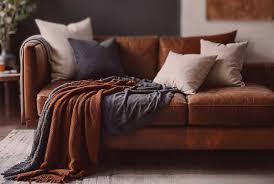 Principles of Calming Home Design,Pinterest
Color Schemes
Color significantly impacts mood and cognition. When staging for neurodiverse individuals, consider:
- Soft, muted colors: Shades like pastel blues, greens, and soft yellows are calming, while bright colors can be overwhelming.
- Consistency: Maintain a harmonious palette throughout the home to create a cohesive environment.
- Accent colors: Use these sparingly to highlight specific areas or features without causing distraction.
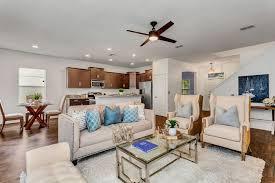 Staging Homes for Neurodiverse Individuals,Pinterest
Furniture and Layout
Furniture design and layout should prioritize comfort and ease of movement. Key considerations include:
- Low-profile furniture: Opt for sofas and chairs that are easy to access and utilize, avoiding overly large or bulky items that can overpower a space.
- Clear pathways: Ensure furniture arrangement allows for easy navigation, especially in high-traffic areas.
- Layered seating: Include varied seating options (e.g., bean bags, floor cushions) to stimulate choice and comfort.
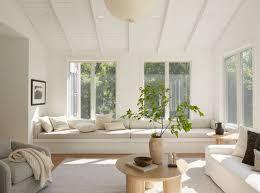 Furniture for Neurodiverse Individuals,Pinterest
Lighting Considerations
Lighting plays a crucial role in creating calming environments. Important aspects to consider:
- Natural light: Maximize natural light with sheer curtains or shades that allow sunlight while blocking out harsh glare.
- Layered lighting: Use a combination of ambient, task, and accent lighting that can be adjusted based on the activity and time of day.
- Dimmable options: Install dimmable switches to allow for control of light intensity, catering to different sensitivities.
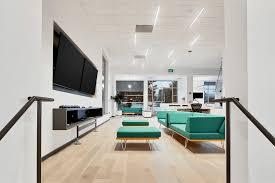 Lighting Considerations,Pinterest
Textures and Materials
The choice of materials and textures can influence comfort and sensory experiences.
- Soft fabrics: Choose soft, tactile materials for upholstery and bedding that provide comfort without overwhelming the senses.
- Natural materials: Incorporate wood, stone, and organic fibers to create a soothing atmosphere that reduces synthetic stimuli.
- Avoid harsh finishes: Steer clear of shiny or reflective surfaces that may cause visual discomfort.
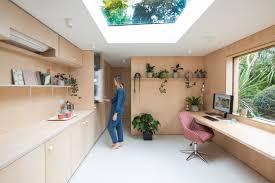 Textures and Materials,Pinterest
Sound Management
Managing sound is essential for creating a calming environment. Strategies include:
- Soundproofing: Use thick carpets, rugs, and wall hangings to absorb sound and minimize echo.
- White noise machines: Consider adding sound machines to mask distracting noises, promoting focus and relaxation.
- Quiet zones: Designate specific areas for silence or low noise, allowing for moments of retreat.
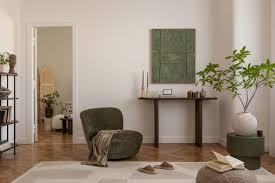 Sound Management,Pinterest
Personalization and Flexibility
A personalized environment allows neurodiverse individuals to express themselves and feel a sense of ownership over their space.
- Personal mementos: Include items or photos that convey comfort and familiarity, creating a sense of belonging.
- Flexible design: Use modular furnishings that can be rearranged according to personal needs or moods.
- Interactive elements: Consider integrating sensory tools or devices that provide stimulation or relaxation, such as fidget toys or art supplies.
Outdoor Spaces
Outdoor environments can extend the calming effects of the home. Consider the following:
- Gardens: Create a quiet garden space with sensory plants like herbs or flowers, providing a peaceful retreat.
- Seating areas: Incorporate comfortable seating options for relaxation or reading outdoors.
- Nature paths: Design pathways that encourage gentle exploration and connection with nature.
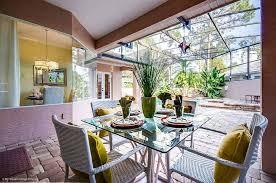 Outdoor Spaces,Pinterest
Conclusion
Staging homes for neurodiverse individuals requires a thoughtful approach that prioritizes calming design elements to promote comfort and tranquility. By considering aspects like color schemes, furniture layout, lighting, textures, sound management, personalization, and outdoor spaces, we can create environments that are not only functional but also deeply nurturing. Embracing neurodiversity through intentional home design opens the door to more inclusive and supportive living spaces.

explore further
Latest from Contemporary ideas
More from Innovations
Resources


