




Table of Contents
- Introduction
- Benefits of Having a Home Therapy Area
- Identifying Areas in Your Home
- Choosing the Right Environment
- Essential Furniture and Equipment
- Incorporating Calming Music or Sound Machines
- Creating a Multi-functional Space
- Conclusion
- Faq's
Introduction
In today's fast-paced world, prioritizing mental and physical well-being is more crucial than ever. While professional therapy sessions are invaluable, having a dedicated space within your own home to unwind, recharge, and focus on self-care can significantly enhance your overall wellness. This article provides a comprehensive guide to designing a personalized home therapy space, transforming a corner of your home into a sanctuary for relaxation, healing, and personal growth. Whether you're seeking a quiet meditation spot, a space for gentle exercise, or simply a refuge from the daily grind, creating a home therapy area can empower you to take control of your well-being.
Benefits of Having a Home Therapy Area
Creating a dedicated therapy space at home offers numerous advantages:
- Convenience and Accessibility: No need to travel to appointments or adhere to strict schedules. Your wellness space is available whenever you need it.
- Increased Privacy and Comfort: Enjoy the privacy and comfort of your own home, allowing you to fully relax and engage in therapeutic activities without feeling self-conscious.
- Personalized Environment: Design the space to perfectly match your individual needs and preferences, creating a calming and supportive atmosphere.
- Cost-Effectiveness: While there's an initial investment, a home therapy space can save money in the long run by reducing the need for external services like gym memberships or studio classes.
- Enhanced Self-Care: Having a dedicated space serves as a constant reminder to prioritize self-care and make time for activities that nourish your mind, body, and spirit.
- Improved Mental and Physical Health: Regular use of your therapy space can lead to reduced stress, improved sleep, increased energy levels, and a greater sense of well-being.
- Greater Sense of Ownership: You are creating something that is specifically for you and what you need.
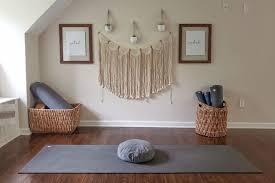 Home Therapy Area,Pinterest
Identifying Areas in Your Home
The first step is identifying potential locations for your therapy space. Consider the following:
- Spare Room: An unused bedroom is ideal, offering ample space and privacy.
- Attic or Basement: These areas can be transformed into secluded retreats. Ensure proper ventilation, lighting, and temperature control.
- Sunroom or Enclosed Porch: Natural light can significantly enhance mood and relaxation.
- Corner of a Room: Even a small, dedicated corner in a living room or bedroom can work. Use screens, curtains, or bookshelves to create a sense of separation.
- Outdoor Space: Weather permitting, a patio, deck, or garden area can be designated for outdoor yoga, meditation, or relaxation.
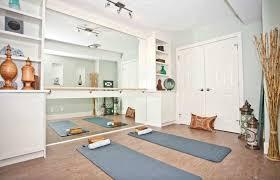 Identifying Areas in Your Home,Pinterest
Choosing the Right Environment
The environment plays a crucial role in creating a therapeutic atmosphere:
- Lighting: Opt for natural light whenever possible. Supplement with soft, warm artificial light to create a relaxing ambiance. Dimmable lights offer flexibility.
- Color Palette: Choose calming colors like blues, greens, lavender, and soft neutrals. Avoid bright, stimulating colors that can be distracting.
- Temperature: Maintain a comfortable temperature. Consider a small space heater or fan for personalized climate control.
- Air Quality: Ensure proper ventilation to prevent stuffiness. Consider an air purifier to remove allergens and pollutants.
- Minimize Clutter: A clean, organized space promotes a sense of calm and clarity. Store items neatly in cabinets, baskets, or shelves.
- Consider Noise: Minimize external noise with soundproofing measures such as thick curtains or a white noise machine.
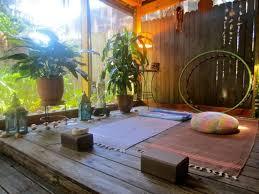 Choosing the Right Environment,Pinterest
Essential Furniture and Equipment
The furniture and equipment you choose will depend on your specific needs and activities:
- Comfortable Seating: A supportive armchair, meditation cushion, or yoga mat are essential.
- Storage Solutions: Baskets, shelves, or cabinets to keep the space organized.
- Yoga Mat and Accessories: If you practice yoga or stretching.
- Exercise Equipment: Consider light weights, resistance bands, or a stationary bike if you plan to incorporate physical activity.
- Essential Oil Diffuser: Aromatherapy can promote relaxation and enhance mood.
- Plants: Add greenery to create a calming and natural atmosphere.
- Books and Journals: For reading, reflection, or creative expression.
- Mirrors: Can be helpful for checking posture during exercise or yoga.
- Light Therapy Lamp (SAD Lamp): Great for mood boosting during the winter months.
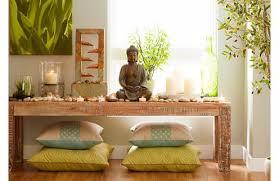 Furniture and Equipment,Pinterest
Incorporating Calming Music or Sound Machines
Sound can significantly impact your mood and relaxation. Consider the following:
- Calming Music: Play instrumental music, nature sounds, or ambient soundscapes.
- Sound Machine: White noise, rain sounds, or ocean waves can help mask distracting noises and promote relaxation.
- Bluetooth Speaker: Allows you to easily stream music or guided meditations from your phone or tablet.
- Headphones: For a more immersive and private experience.
Creating a Multi-functional Space
If space is limited, consider creating a multi-functional therapy area:
- Designate Zones: Divide the space into different zones for different activities (e.g., a meditation corner, an exercise area).
- Flexible Furniture: Choose furniture that can be easily moved or repurposed.
- Storage Solutions: Utilize vertical space with shelves and cabinets to maximize storage without taking up floor space.
- Foldable Equipment: Opt for foldable yoga mats, exercise equipment, or tables that can be stored away when not in use.
- Consider Lighting: Install adjustable lighting that can be dimmed or brightened depending on the activity.
Conclusion
Designing a home therapy space is an investment in your well-being. By carefully considering your needs, preferences, and the available space, you can create a personalized sanctuary that promotes relaxation, healing, and personal growth. Take the time to design a space that truly nourishes your mind, body, and spirit, and you'll reap the benefits for years to come. Start small, experiment with different elements, and most importantly, create a space that you truly love and enjoy spending time in.

explore further
Latest from Contemporary ideas
More from Innovations
Resources


