





Table of Contents
- Introduction
- Understanding Smart Waste Management
- Key Components of Smart Waste Management Solutions
- Challenges of Traditional Waste Management in Apartment Complexes
- Benefits of Implementing Smart Waste Management
- Implementation Strategies
- Future Trends in Smart Waste Management
- Conclusion
- Faq's
Introduction
In today's urban environment, the efficient management of waste in apartment complexes has become a critical concern. As populations in cities continue to rise, the need for effective waste management systems has intensified. Traditional waste management practices often fall short, prompting the exploration of smart waste management solutions that leverage technology to enhance efficiency, sustainability, and tenant satisfaction. This article delves into smart waste management solutions specifically designed for apartment complexes, providing insights into their components, benefits, challenges, and future trends.
Understanding Smart Waste Management
Smart waste management employs Internet of Things (IoT) devices, sensors, and data analytics to monitor and manage waste disposal systems in real-time. These technologies automate and streamline the waste collection process, facilitating better planning, resource allocation, and minimizing environmental impact.
 Smart Waste Management,Pinterest
Key Components of Smart Waste Management Solutions
- IoT Sensors: Smart bins equipped with IoT sensors monitor waste levels and categorize waste materials. This information helps in determining the optimal time for collection, reducing unnecessary trips and improving route planning.
- Data Analytics: Collected data is analyzed to identify waste generation patterns, enabling property managers to implement targeted waste reduction strategies and improve recycling rates.
- Mobile Applications: Tenant-facing applications provide residents with information about recycling guidelines, waste collection schedules, and notifications for collection days, encouraging participation in waste management efforts.
- AI and Machine Learning: These technologies aid in predictive analysis, making it easier to forecast waste generation and optimize resource allocation for collection, sorting, and processing.
- Automated Sorting Systems: Advanced sorting technologies utilize robotics and AI to automatically separate recyclable materials from general waste, improving recycling efficiency.
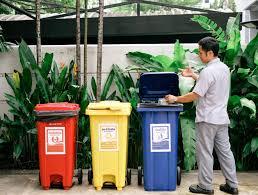 Components of Smart Waste Management Solutions,Pinterest
Challenges of Traditional Waste Management in Apartment Complexes
- Inefficient Collection: Routine collection schedules often lead to wasted resources, as bins may be collected before they are full or left overflowing.
- Poor Recycling Rates: Many residents lack information about proper recycling practices, leading to contamination and lower recycling rates.
- Limited Data Insights: Traditional systems often lack real-time data about waste generation, making it difficult to implement proactive waste management strategies.
- High Operational Costs: Inefficient routes and manpower allocation contribute to high operational costs for waste management services.
- Environmental Impact: Ineffective waste sorting and disposal methods can lead to increased landfill waste and associated environmental issues.
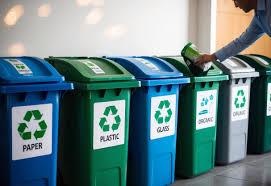 Traditional Waste Management in Apartment Complexes,Pinterest
Benefits of Implementing Smart Waste Management
- Cost Efficiency: By optimizing collection routes and schedules, smart waste management can significantly reduce operational costs for property managers.
- Increased Recycling Rates: With better monitoring and tenant education through mobile apps, communities can boost their recycling rates, contributing to environmental sustainability.
- Real-Time Monitoring: Property managers gain access to real-time data, allowing for quicker response to issues such as overflowing bins or contamination in recyclables.
- Enhanced Tenant Engagement: By providing residents with tools and information, smart waste management fosters a culture of sustainability within apartment complexes.
- Sustainability Goals: Many apartment complexes are striving for green certifications; smart waste management solutions can help achieve these objectives by reducing waste output and increasing recycling rates.
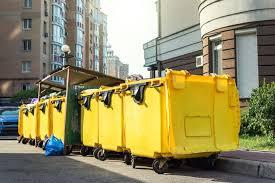 Benefits of Implementing Smart Waste Management,Pinterest
Implementation Strategies
- Conduct a Waste Audit: Assess the current waste generation and disposal practices to identify areas for improvement.
- Choose the Right Technology: Select suitable smart waste management technologies (sensors, software, and analytics) based on the specific needs of the apartment complex.
- Engage Residents: Educate and involve residents through workshops and mobile applications to ensure they understand the benefits and practices of smart waste management.
- Monitor and Adjust: Regularly review the data collected through smart systems to adjust practices and improve efficiency continuously.
- Partner with Waste Management Companies: Collaborate with waste management providers that offer technological innovations to enhance service delivery.
Future Trends in Smart Waste Management
- Increased Use of AI: As artificial intelligence continues to evolve, its role in waste management will expand, leading to more accurate predictions and advanced sorting technologies.
- Integration with Other Smart Building Systems: Smart waste management solutions will increasingly be integrated with broader building management systems, promoting efficiency across different operations (lighting, HVAC, etc.).
- Sustainable Materials and Packaging: Growing consumer awareness will drive demand for sustainable materials, leading to shifts in waste management strategies.
- Data Transparency: There will be a push for transparency in waste management practices, with data being shared publicly to foster accountability among property managers.
- Adoption of Circular Economy Principles: Apartment complexes will focus on minimizing waste through recycling and reusing materials, aligning with circular economy concepts.
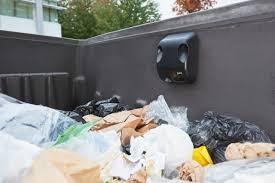 Future Trends in Smart Waste Management,Pinterest
Conclusion
The shift towards smart waste management solutions is not merely a trend but a necessity for apartment complexes facing modern waste challenges. By embracing technology, property managers can enhance operational efficiency, promote sustainable practices, and engage residents in a way that benefits both the community and the environment. Implementing smart waste management solutions can help address the limitations of traditional methods, paving the way for a cleaner, greener, and more efficient urban living experience.

explore further
Latest from Contemporary ideas
More from Innovations
Resources


