





Table of Contents
- Introduction
- The Impact of Interior Design on Mental Health
- Key Design Elements for Reducing Stress and Anxiety
- Creating Comfort Through Textiles and Materials
- Personalization and Individual Needs
- Practical Design Strategies for Stress Reduction
- Conclusion
- Faq's
Introduction
In today's fast-paced and often overwhelming world, stress and anxiety have become increasingly prevalent. While many factors contribute to mental wellbeing, the impact of our immediate environment is often overlooked. Our homes, the spaces where we spend a significant portion of our lives, can either exacerbate or alleviate feelings of stress and anxiety. This guide explores how thoughtful interior design principles can be strategically employed to create calming, supportive, and restorative living spaces that promote mental health and overall wellbeing. Learn how to harness the power of color, light, materials, and personalization to transform your home into a true sanctuary.
The Impact of Interior Design on Mental Health
The connection between our surroundings and our mental state is profound. Poorly designed spaces can contribute to feelings of unease, overwhelm, and even trigger anxiety. Conversely, well-designed interiors can promote relaxation, focus, and a sense of security. This section delves into the scientific basis for this connection, exploring how elements like:
- Color Psychology: Different colors evoke different emotional responses.
- Lighting Effects: Natural light regulates our circadian rhythms and improves mood.
- Spatial Arrangement: Cluttered or cramped spaces can increase stress hormones.
- Acoustics: Excessive noise levels contribute to anxiety and sleep disturbances.
By understanding these fundamental connections, we can begin to make informed design choices that prioritize mental wellbeing.
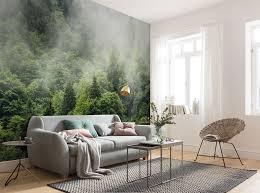 Reduce Mental Health Design,Pinterest
Key Design Elements for Reducing Stress and Anxiety
This section will look at the specific elements of interior design that are key to reducing stress and anxiety.
- Color Palette: Soft, muted tones (blues, greens, greys, pastels) promote calmness. Avoid harsh, vibrant colors that can be overstimulating.
- Lighting: Maximize natural light. Supplement with warm, ambient artificial lighting. Use dimmers to control intensity.
- Space and Layout: Prioritize open, uncluttered spaces. Create distinct zones for different activities (work, relaxation, sleep).
- Biophilic Design: Incorporate natural elements like plants, natural materials (wood, stone, bamboo), and nature-inspired patterns.
- Ergonomics: Choose furniture and layouts that support good posture and reduce physical strain.
- Air Quality: Ensure good ventilation and use air-purifying plants or devices.
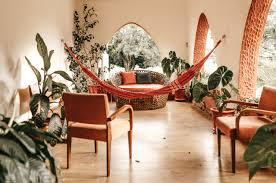 Elements for Reducing Stress and Anxiety,Pinterest
Creating Comfort Through Textiles and Materials
The tactile experience of our surroundings plays a crucial role in our sense of comfort and security. This section focuses on how to choose textiles and materials that promote relaxation and reduce stress:
- Soft Textures: Incorporate plush rugs, soft blankets, and comfortable upholstery made from natural fibers like cotton, linen, and wool.
- Natural Materials: Wood, stone, and other natural materials create a sense of connection to nature and promote a feeling of grounding.
- Tactile Elements: Add textured wall coverings, woven baskets, and other tactile elements to stimulate the senses in a calming way.
- Avoid Harsh or Synthetic Materials: Minimize the use of materials that feel cold, rough, or overly synthetic.
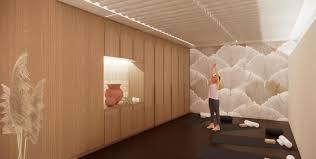 Creating Comfort Through Textiles and Materials,Pinterest
Personalization and Individual Needs
Creating a truly supportive environment requires personalization. What works for one person may not work for another. This section emphasizes the importance of:
- Identifying Your Stressors: Understand what triggers your anxiety and tailor your design to address those specific triggers.
- Creating a Sanctuary Space: Designate a specific area in your home as a haven for relaxation and self-care.
- Incorporating Meaningful Objects: Surround yourself with items that bring you joy, comfort, and positive memories.
- Prioritizing Functionality: Ensure your space meets your needs and supports your daily routines.
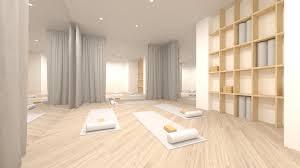 Personalization and Individual Needs,Pinterest
Practical Design Strategies for Stress Reduction
This section provides actionable steps you can take to implement these principles in your own home:
- Decluttering and Organization: A cluttered space is a cluttered mind. Implement effective storage solutions and practice regular decluttering.
- Creating a Relaxation Corner: Set up a cozy corner with comfortable seating, soft lighting, and calming elements like plants or a water feature.
- Optimizing Your Bedroom for Sleep: Invest in a comfortable mattress, blackout curtains, and bedding that promotes restful sleep.
- Bringing the Outdoors In: Add plants, natural light, and nature-inspired decor to connect with the natural world.
- Soundproofing: Consider soundproofing techniques to minimize external noise and create a quieter, more peaceful environment.
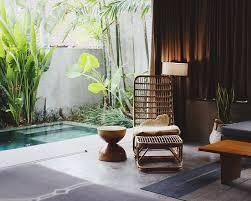 Practical Design Strategies for Stress Reduction,Pinterest
Conclusion
Designing for wellbeing is not simply about aesthetics; it's about creating spaces that nurture our mental and emotional health. By understanding the principles of color psychology, the power of natural light, the importance of comfortable materials, and the need for personalization, you can transform your home into a sanctuary that reduces stress, alleviates anxiety, and promotes overall wellbeing. Take the time to invest in your environment, and you'll be investing in your mental health.

explore further
Latest from Contemporary ideas
More from Innovations
Resources


