




Table of Contents
- Introduction
- Importance of Choosing Sustainable Flooring Options
- Bamboo Flooring
- Cork Flooring
- Reclaimed Wood
- Linoleum
- Vinyl Flooring
- Rubber Flooring
- Concrete Flooring
- Carpeting from Recycled Materials
- Conclusion
- Faq's
Introduction
Hardwood flooring has long been a popular choice for its beauty and durability. However, the environmental impact of harvesting and processing hardwood can be significant. Fortunately, homeowners today have a growing array of stunning eco-friendly flooring alternatives that offer both style and sustainability. This guide explores some of the best eco-conscious options to replace traditional hardwood, helping you make a responsible choice for your home and the planet.
Importance of Choosing Sustainable Flooring Options
Choosing sustainable flooring is a crucial step in creating a healthier home and reducing your environmental footprint. Here's why it matters:
- Reduces Deforestation: Opting for alternatives to hardwood helps preserve forests, vital ecosystems that absorb carbon dioxide and support biodiversity.
- Conserves Resources: Many eco-friendly options utilize rapidly renewable resources, recycled materials, or byproducts that would otherwise go to waste.
- Minimizes VOC Emissions: Sustainable flooring often contains lower levels of volatile organic compounds (VOCs), improving indoor air quality and reducing health risks.
- Promotes a Circular Economy: By choosing reclaimed or recycled materials, you contribute to a circular economy, reducing waste and maximizing the lifespan of resources.
- Durability and Longevity: Many eco-friendly options are as durable, or even more durable, than traditional hardwood, offering a long-lasting and sustainable investment.
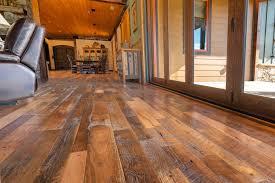 Sustainable Flooring Options,Pinterest
Bamboo Flooring
Bamboo flooring presents a compelling case for sustainable and stylish home design. Beyond being crafted from one of Earth's fastest-growing plants, its eco-friendliness stems from its rapid regeneration after harvesting. Unlike hardwood trees that take decades to mature, bamboo can be harvested every 3-5 years, minimizing environmental impact and resource depletion.
The benefits extend beyond sustainability. Bamboo flooring boasts impressive durability, often comparable to or even exceeding that of traditional hardwoods. Its natural resilience makes it resistant to scratches, dents, and general wear and tear, ensuring longevity and reducing the need for frequent replacement. Furthermore, certain types of bamboo flooring undergo treatment to enhance their moisture resistance, making them suitable for kitchens and bathrooms where humidity is a concern.
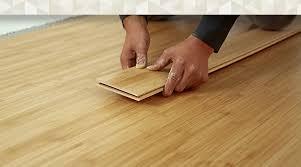 Bamboo Flooring,Lamiwood
Cork Flooring
Cork flooring offers a multitude of benefits for environmentally conscious consumers. Sourced sustainably from the renewable bark of cork oak trees (which regenerate after harvesting, ensuring the tree's continued life and contribution to the ecosystem), it stands out as a truly eco-friendly option. Beyond its renewable nature, cork flooring provides excellent natural insulation, helping to reduce energy consumption and lower heating and cooling costs. Its inherent sound absorption properties contribute to a quieter and more comfortable living environment. Furthermore, cork is naturally hypoallergenic and resistant to mold and mildew, making it a healthy choice for those with allergies or sensitivities. The combination of sustainability, performance, and health benefits makes cork flooring a compelling choice for homeowners seeking an environmentally responsible and comfortable flooring solution.
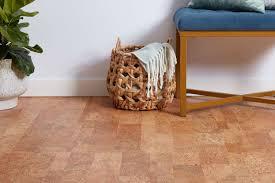 Cork Flooring,The Spruce
Reclaimed Wood
Reclaimed wood is an eco-friendly option that promotes sustainability by repurposing timber from deconstructed buildings, industrial sites, and other wooden structures. By utilizing this salvaged wood, it significantly lessens the demand for newly harvested timber, aiding in the conservation of forests and reducing the environmental impact associated with logging.Each piece of reclaimed wood carries a unique history, showcasing distinctive grain patterns, weathering, and imperfections that add character to flooring, furniture, and other designs. This individuality appeals to homeowners and designers seeking to create spaces with personality and charm.
The use of reclaimed wood also contributes to waste reduction, as it diverts materials that would otherwise end up in landfills. Additionally, the process of reclaiming and repurposing wood often requires less energy than producing new lumber, further minimizing the carbon footprint associated with flooring production.
Furthermore, reclaimed wood can enhance indoor air quality, as it is often free from harmful chemicals and finishes commonly found in new wood products. This natural aspect, combined with its aesthetic appeal, makes reclaimed wood a popular choice for environmentally conscious consumers looking to invest in sustainable and aesthetically pleasing materials for their homes and businesses.
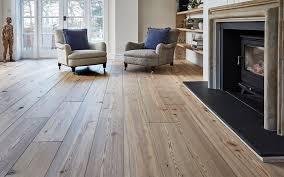 Reclaimed Wood,Ted Todd
Linoleum
Linoleum, a flooring material crafted from natural ingredients like linseed oil, cork dust, wood flour, and various pigments, stands out as an eco-friendly and biodegradable option for sustainable living. Its composition not only emphasizes its commitment to environmental responsibility but also contributes to its durability and resilience. The surface of linoleum is known for its resistance to wear and tear, making it ideal for high-traffic areas. Maintenance is straightforward; regular sweeping and occasional damp mopping are often all that is needed to keep it looking pristine. Beyond its practicality, linoleum offers an extensive array of colors, textures, and patterns, allowing homeowners and designers to achieve diverse aesthetics from classic to contemporary. This versatility ensures that linoleum can seamlessly fit into various design styles, whether in residential settings or commercial spaces, affirming its status as a stylish yet sustainable flooring choice.
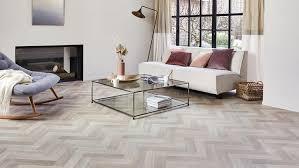 Linoleum,Tarkett
Vinyl Flooring
Modern vinyl flooring has evolved significantly, becoming increasingly eco-friendly thanks to advancements in manufacturing processes and the use of recycled materials. Many contemporary vinyl options incorporate post-consumer content, reducing environmental impact and promoting sustainability. Available in a wide array of styles, colors, and textures, vinyl can mimic the appearance of natural materials such as hardwood, stone, and tile, allowing homeowners to achieve diverse aesthetic preferences without compromising on performance. Its durability makes it exceptionally well-suited for high-traffic areas, as it can withstand heavy footfall without showing signs of wear. Additionally, its inherent resistance to moisture and spills makes it an ideal choice for kitchens, bathrooms, and mudrooms, where other flooring types may struggle. With easy maintenance requirements and a comfortable underfoot feel, modern vinyl flooring combines practicality with style, making it a favored option for both residential and commercial spaces.
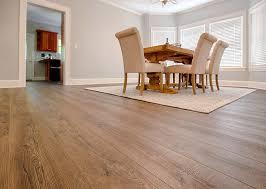 Vinyl Flooring,UB Hardwoods
Rubber Flooring
Rubber flooring, particularly that derived from recycled tires, offers a compelling blend of resilience, sustainability, and functionality, making it an increasingly popular choice for a wide range of applications. Its inherent elasticity provides excellent cushioning underfoot, reducing strain and fatigue, especially beneficial in high-impact environments like gyms and weight rooms. The textured surface of rubber flooring significantly enhances slip resistance, creating a safer environment in areas prone to moisture or spills, making it suitable for play areas and commercial kitchens. Furthermore, its dense composition effectively dampens sound, contributing to a quieter and more comfortable atmosphere in busy spaces like retail stores, schools, and apartment buildings. Beyond its performance benefits, utilizing recycled tire rubber diverts waste from landfills, promoting a circular economy and reducing the environmental impact associated with tire disposal. This combination of practical advantages and eco-conscious sourcing positions rubber flooring as a versatile and responsible flooring solution.
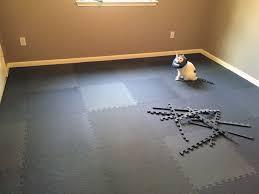 Rubber Flooring,Pinterest
Concrete Flooring
Concrete's popularity as a flooring choice is rooted in its impressive durability and multifaceted versatility. Beyond simply providing a solid foundation, concrete's modern applications often focus on sustainability. Polished concrete, for instance, leverages the existing subfloor, minimizing the need for entirely new materials and reducing environmental impact. When new concrete is required, incorporating eco-friendly additives, like recycled aggregates or supplementary cementitious materials, further diminishes the demand for virgin resources. The aesthetic possibilities of concrete flooring are virtually limitless. Staining and dyeing techniques allow homeowners and designers to achieve a wide spectrum of colors and textures, seamlessly integrating concrete into diverse design schemes, from sleek and minimalist to rustic and industrial. This adaptability, coupled with its inherent strength and resistance to wear and tear, ensures that concrete flooring offers exceptional longevity, often lasting for decades with proper care. Furthermore, its low-maintenance nature, requiring only occasional sweeping and damp mopping, makes it a practical and cost-effective choice in the long run, saving time and resources. In essence, concrete flooring represents a durable, adaptable, and increasingly sustainable solution for both residential and commercial spaces.
Carpeting from Recycled Materials
Carpets made from recycled materials, particularly PET plastic bottles, offer a compelling example of sustainable consumption, effectively diverting waste from landfills and oceans while minimizing our reliance on virgin resources. The process transforms discarded plastic into durable and aesthetically pleasing fibers, providing a second life for materials that would otherwise contribute to environmental pollution. Beyond their eco-friendly origins, these carpets deliver the same comfort, style, and insulation expected of traditional carpeting. They offer a soft and inviting surface underfoot, come in a wide array of colors and patterns to suit diverse interior design preferences, and help regulate room temperature, reducing energy consumption for heating and cooling. By choosing carpets made from recycled materials, consumers can actively contribute to a circular economy, support environmental conservation, and enjoy a comfortable and stylish home environment.
Conclusion
Choosing eco-friendly flooring options to replace hardwood is not just a trend; it reflects a commitment to sustainability and environmental stewardship. Options like bamboo, cork, reclaimed wood, linoleum, vinyl, rubber, concrete, and recycled carpets provide diverse solutions that marry functionality with aesthetics. By making informed choices, homeowners can create beautiful spaces while contributing to a sustainable future.

explore further
Latest from Contemporary ideas
More from Innovations
Resources


