




Table of Contents
- Introduction
- Importance of Room Design in Shaping Mood
- The Psychology of Space
- Color Theory in Room Design
- Furniture Arrangement on Social Interaction and Comfort
- Lighting: Natural vs. Artificial
- Incorporating Nature: Biophilic Design
- Personalization and Individual Expression
- Conclusion
- Faq's
Introduction
The spaces we inhabit significantly influence our emotional and psychological states. Whether at home, work, or in public environments, room design plays a pivotal role in shaping our feelings, mood, and overall well-being. Understanding how elements like color, lighting, and layout contribute to an emotional atmosphere can empower us to create environments that foster positivity, productivity, and comfort. This exploration into the interplay between room design and mood highlights the significance of thoughtful interior choices in enhancing quality of life.
Importance of Room Design in Shaping Mood
Room design is more than mere aesthetics; it is a fundamental element that affects human psychology. Thoughtfully designed spaces can enhance creativity, promote relaxation, and facilitate social interaction. Conversely, poorly designed environments can lead to feelings of discomfort, stress, and even depression. By understanding the effects of space on mood, individuals and designers can create environments that support mental health and emotional well-being.
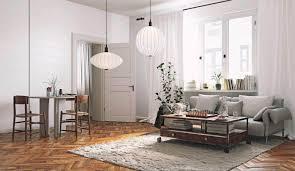 Room Design in Shaping Mood,Pinterest
The Psychology of Space
The psychology of space revolves around how physical environments influence human behavior and emotions. Concepts such as spatial awareness, personal space, and the perception of size play crucial roles in how we experience rooms. Environments that feel open and inviting often lead to feelings of safety and comfort, while cramped, disorganized spaces can provoke stress and anxiety.
Research indicates that people are more productive and relaxed in settings that feel organized and cohesive. Therefore, understanding the psychological impact of spatial arrangements is essential for creating harmonious living and working conditions. This awareness can lead to mindful choices in design that resonate positively with inhabitants.
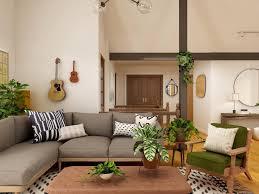 Psychology of Space,Pinterest
Color Theory in Room Design
Color has profound effects on mood and emotions, an aspect that color theory encapsulates. Different colors evoke different feelings; for example:
- Blue: Generally associated with calmness and tranquility, making it suitable for bedrooms and relaxation spaces.
- Yellow: Often linked to happiness and energy, perfect for kitchens or creative spaces.
- Red: Stimulates excitement and passion but can also evoke aggression; better used in moderation.
- Green: Represents nature and renewal, promoting balance and harmony, ideal for living areas.
- Neutrals: Provide balance and can serve as a calming backdrop when paired with accent colors.
By understanding color meanings and their psychological effects, designers can create spaces that foster desired emotional responses, enhancing the overall experience within a room.
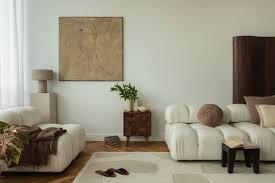 Color Theory in Room Design,Pinterest
Furniture Arrangement on Social Interaction and Comfort
The arrangement of furniture greatly influences how individuals interact within a space. Effective furniture layouts can promote social engagement, while poor configurations can lead to isolation. Here are some key considerations:
- Groupings: Arranging furniture in a way that encourages conversation, such as circular or semi-circular seating, fosters interaction and inclusivity.
- Flow: Ensuring adequate pathways prevents congestion and enhances comfort while navigating the space.
- Zoning: Creating distinct areas (e.g., relaxation, work, and social zones) allows individuals to choose environments that suit their current mood or activity.
Properly arranged furnishings can evoke feelings of welcome and warmth, encouraging social interactions and collaborative experiences, which are essential for emotional health.
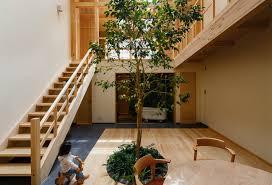 Furniture Arrangement on Social Interaction,Pinterest
Lighting: Natural vs. Artificial
 Artifical light,Pinterest
Lighting is a crucial element in room design and profoundly influences mood. Natural light is known to improve mood and energy levels, with studies highlighting its importance for mental well-being. Incorporating large windows, skylights, or open layouts encourages the influx of daylight, which can combat seasonal affective disorder (SAD) and enhance productivity.
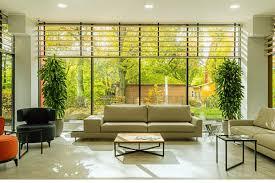 Natural light,Pinterest
Incorporating Nature: Biophilic Design
Biophilic design is an innovative approach that incorporates natural elements into the built environment to improve well-being. This design philosophy connects individuals to nature, contributing to higher levels of happiness and reduced stress. Key elements of biophilic design include:
- Natural Materials: Using wood, stone, and plant-based textiles creates a warm, inviting atmosphere.
- Indoor Plants: Introducing greenery can purify the air and evoke a sense of tranquility.
- Water Features: The sound of running water can have a calming effect and enhance the sensory experience of a space.
Emphasizing biophilic elements in room design nurtures a deeper connection to nature, promoting emotional restoration and overall wellness.
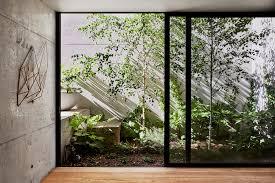 Incorporating Nature,Pinterest
Personalization and Individual Expression
Personalization in room design allows individuals to express their identities and preferences, which is essential for emotional ownership of a space. Incorporating personal artifacts, artwork, and color choices can transform a room into a reflection of one's personality.
- Meaningful Decor: Artwork, photographs, and mementos can evoke cherished memories and foster feelings of happiness.
- Flexibility: Allowing elements of design to be easily customizable ensures that spaces can evolve with individuals' changing moods and life stages.
Personalized spaces create a sense of belonging and comfort, reinforcing emotional connections and enhancing well-being.
Conclusion
In conclusion, the design of a room profoundly impacts mood, feelings, and overall well-being. Through an understanding of the psychological implications of space, color theory, furniture arrangement, lighting choices, biophilic design, and personalization, individuals can create environments that uplift and enhance their daily experiences. Thoughtful room design can serve not only as a tool for aesthetic pleasure but as a powerful means to foster emotional health and happiness.

explore further
Latest from Contemporary ideas
More from Innovations
Resources


