





Table of Contents
- Introduction
- Project Overview and Development Timeline
- Architecture and Terminal Design
- Infrastructure and Facilities
- Ownership and Stakeholding Structure
- Multimodal Connectivity
- Capacity Expansion Plans
- Airlines and Flight Operations
- Regional and Economic Impact
- Financing and Investments
- Current Status and Expected Launch
- Challenges and Future Readiness
- Conclusion
- Faq's
Introduction
Navi Mumbai International Airport (NMIA), officially named Loknete DB Patil Navi Mumbai International Airport, stands as one of India's most ambitious greenfield infrastructure projects. Strategically located between Ulwe and Panvel in Navi Mumbai, the airport has been designed to support and complement the overburdened Chhatrapati Shivaji Maharaj International Airport in Mumbai. Its development aims to address the growing demand for air travel in the Mumbai Metropolitan Region by offering a world-class aviation hub with modern design, efficient operations, and seamless connectivity.
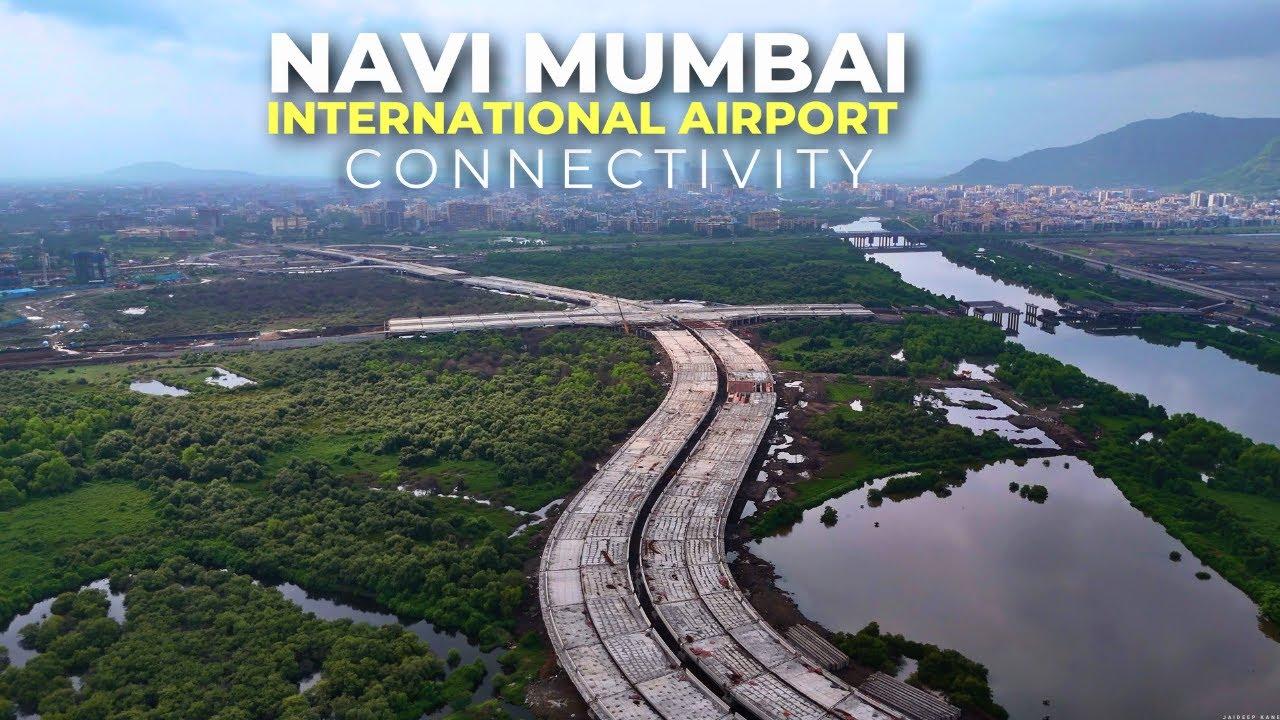
Navi Mumbai International Airport, YT
Once operational, NMIA is expected to significantly enhance regional air travel capacity, boost economic activity, and serve as a major gateway for both domestic and international travelers. With its integrated multimodal transport network, phased capacity expansion plans, and state-of-the-art facilities, the airport is poised to redefine air travel in western India and establish Navi Mumbai as a critical node in the country's aviation map.
Project Overview and Development Timeline
Spanning over 1,160 hectares, NMIA is being developed in phases. The first phase aims to accommodate around 20 million passengers annually, with full-scale operations expected to handle up to 90 million passengers each year.
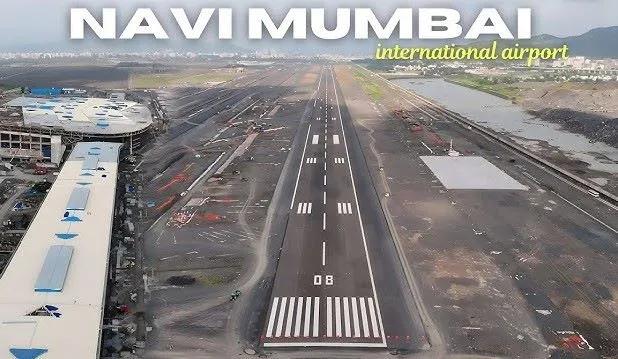
Navi Mumbai International Airport Project Development, News Riveting
Timeline Highlights:
- Initial studies and clearances began in the late 1990s
- Land acquisition and environmental approvals were granted during the 2000s
- Adani Group took over project development in 2021
- The airport is now expected to commence operations between August and October 2025
The airport has been designed to operate under a Public-Private Partnership (PPP) model, with major investments from Adani Airport Holdings and CIDCO (City and Industrial Development Corporation).
Architecture and Terminal Design
The iconic design of the airport is inspired by the lotus flower, symbolizing Indian heritage with a modern twist. The masterplan includes:
- Three interconnected passenger terminals
- Two parallel runways for simultaneous take-offs and landings
- An integrated ground transport hub
- Dedicated terminals for low-cost carriers and general aviation
- Maintenance, Repair and Overhaul (MRO) facilities
- State-of-the-art cargo handling areas
The architectural approach aims to combine operational efficiency with visual aesthetics while incorporating sustainability and smart infrastructure.
Infrastructure and Facilities
- Two parallel runways measuring approximately 3,700 meters each
- A central terminal capable of managing large passenger volumes
- Special terminals for business jets and low-cost carriers
- Advanced baggage handling systems and biometric access
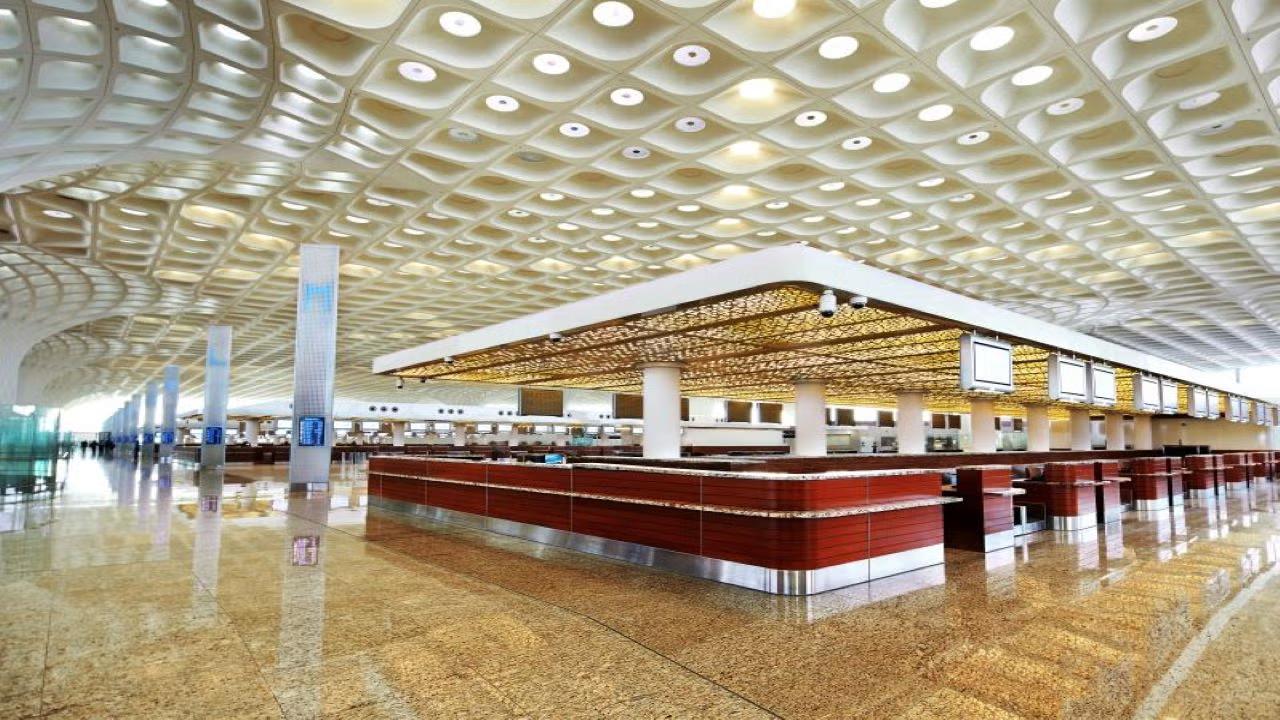
Navi Mumbai International Airport, Airport Technology
Cargo and MRO Facilities
- Domestic cargo terminal of 8 million tonnes capacity
- International cargo handling zone over 23,000 sq. meters
- MRO hub to support aircraft servicing and repair
The facilities have been planned to meet international standards and support future expansions without disrupting current operations.
Ownership and Stakeholding Structure
- Navi Mumbai International Airport is being developed and operated by Navi Mumbai International Airport Limited (NMIAL), a Special Purpose Vehicle (SPV) created specifically for this mega infrastructure project. The formation of an SPV allows for focused project execution, financial autonomy, and structured stakeholder participation. NMIAL operates under the Public-Private Partnership (PPP) model, which has become a preferred approach for executing large-scale infrastructure projects in India due to its ability to balance efficiency with accountability.
- In terms of shareholding, Adani Airport Holdings Ltd owns a 74% majority stake in NMIAL, while the remaining 26% is held by CIDCO (City and Industrial Development Corporation), the nodal agency of the Maharashtra government. This strategic partnership brings together private sector capital, expertise, and operational experience through Adani Group, along with the regulatory support and local governance framework provided by CIDCO. The structure ensures that while the airport benefits from private investment and execution capabilities, public interests are safeguarded through continued government involvement.
Multimodal Connectivity
NMIA is being developed as India's first fully multimodal airport. Its location and planning allow it to integrate with several existing and upcoming transportation networks, including:
- Road: Access via National Highway 4B, Sion-Panvel Expressway, and new feeder roads under construction
- Metro: Connectivity to Navi Mumbai Metro Line 1 and future extensions
- Rail: Proximity to Panvel railway station, future high-speed rail terminal planned
- Water Taxi: Jetty-based connections to Mumbai via water routes
- Mumbai Trans Harbour Link (MTHL): Direct road access to South Mumbai in under 30 minutes
This integrated connectivity makes NMIA unique among Indian airports and future-ready for large-scale operations.
Capacity Expansion Plans
The development is phased to scale with passenger and cargo demand.
|
Phase |
Passenger Capacity |
Key Features |
|
Phase 1 |
20 million |
Single terminal, two runways, LCCT, cargo |
|
Phase 2 |
60 million |
Expansion of terminals, increased apron |
|
Phase 3-5 |
90 million |
Complete facilities, full-scale operations |
The airport aims to reach its full potential between 2032 and 2036.
Airlines and Flight Operations
Several major Indian carriers have announced plans to begin operations from NMIA once it opens.
- IndiGo will start with 18 daily departures to major Indian cities, with plans to scale up to 140 flights per day and introduce international sectors
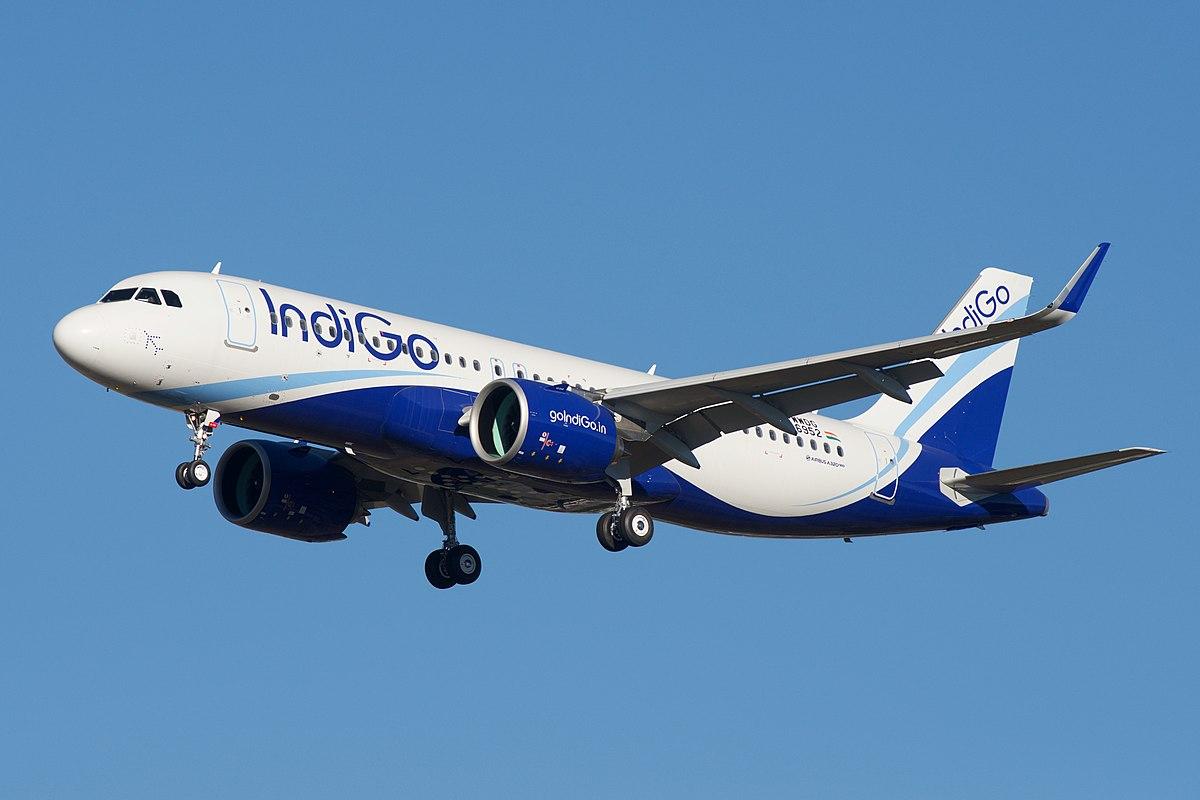
Indigo, Wiki
- Akasa Air will launch with 15 domestic flights on Day 1, and aims to add 40 domestic and 10 international routes within a year

Akasa Air, ET Now
- Other airlines including Air India Express and SpiceJet are also expected to initiate operations in subsequent phases
Cargo carriers and charter services are anticipated to begin operations shortly after the launch of passenger services.
Regional and Economic Impact
NMIA is expected to deliver significant benefits to the region:
- Decongestion of Mumbai Airport: Expected to offload nearly 50% of the passenger traffic from the current airport
- Job Creation: Estimated to generate over 400,000 direct and indirect employment opportunities
- Real Estate Boost: Property prices in Panvel, Ulwe, and surrounding areas have seen a 15-20% increase due to anticipated airport operations
- Economic Growth: Will foster development of ancillary industries such as hospitality, logistics, and tourism
The project will also enhance Maharashtra's competitiveness in global logistics and trade.
Financing and Investments
Navi Mumbai International Airport is being developed with an estimated investment of INR 17000 to 18000 crore, reflecting its status as one of India's largest greenfield aviation projects. To support the airport's Phase 1 construction, expansion across Adani's airport network, and refinancing of existing obligations, Adani Airport Holdings Ltd secured a substantial 750 million US dollars via External Commercial Borrowings from a consortium led by First Abu Dhabi Bank, Barclays, and Standard Chartered. Of this, approximately 400 million US dollars has been earmarked for refinancing identified debt, while the remainder is being directed toward capital expenditure, upgrading infrastructure, and enhancing capacity across its growing airport portfolio.
In line with its ambitious growth strategy, Adani Airport Holdings has announced plans to list its airport unit through an initial public offering by March 2027. This move is part of a broader capital deployment plan targeting 100 billion US dollars over the next five to six years. The proposed IPO is expected to fund ongoing and future infrastructure projects, including NMIA, and create a transparent mechanism for raising public capital aligned with its accelerated expansion strategy.
Current Status and Expected Launch
- Terminal buildings and runways are structurally complete
- DGCA inspections were conducted in Q1 2025
- Commercial flight operations are now targeted for launch in August to October 2025
- Cargo operations and water taxi services will begin shortly after the passenger terminals become functional
Challenges and Future Readiness
Despite its promise, NMIA has faced some challenges:
- Regulatory delays in approvals and construction clearances
- Need for timely completion of supporting infrastructure like coastal roads and metro lines
- Smooth transition of flight operations from Mumbai Airport to NMIA
Authorities are actively addressing these issues to ensure a seamless launch.
Conclusion
Navi Mumbai International Airport represents a bold step forward in India's infrastructure and aviation journey. Once operational, it will not only ease pressure on Mumbai's overburdened airport but also catalyze economic growth, urban development, and international connectivity. With its strategic location, iconic design, and multimodal integration, NMIA is poised to become one of the top airports in Asia.

explore further
Latest from Editorials
More from Publications
Resources


