





Table of Contents
- Introduction National Highway 54 Punjab to Rajasthan
- Route Overview: National Highway 54 (Punjab to Rajasthan)
- Types of Vehicles Allowed on National Highway 54 (Punjab to Rajasthan)
- Places to Visit Near National Highway 54
- Road Conditions and Driving Experience
- Infrastructure Update: National Highway 54 (Punjab to Rajasthan)
- Conclusion
- Faq's
Introduction National Highway 54 Punjab to Rajasthan
National Highway 54 serves as a critical arterial route connecting the fertile landscapes of Punjab with the historically rich terrains of Rajasthan, acting as a vital lifeline for the socio-economic fabric of North-West India. Stretching across the border districts, this highway facilitates the seamless movement of goods and passengers, bridging the gap between the agricultural heartland of the Malwa region and the bustling trade centers of northern Rajasthan such as Hanumangarh and Sri Ganganagar. The route is not merely a transit corridor but a conduit for cultural exchange, witnessing a gradual shift in topography from the lush green, irrigated fields of Punjab to the arid, semi-desert beauty of the Thar region. As a key component of the region's logistics network, NH 54 supports the heavy transportation of cash crops like cotton and wheat, alongside industrial raw materials, thereby underpinning the local economies that rely heavily on efficient road connectivity for their market access.
In recent years, the strategic importance of NH 54 has been amplified by significant infrastructure upgrades aimed at bolstering trade efficiency and regional security. Under initiatives like the Bharatmala Pariyojana, the corridor is undergoing a transformation from a congested two-lane carriageway to a modern four-lane highway, a development that promises to drastically reduce travel time and enhance road safety. The highway's proximity to the International Border also adds a layer of strategic defense significance, ensuring rapid mobilization capabilities for armed forces. As development accelerates, NH 54 is evolving from a simple inter-state road into a high-speed economic corridor, poised to unlock the untapped potential of the border areas while offering travelers a smoother and more scenic passage through the vibrant landscapes of Punjab and Rajasthan.
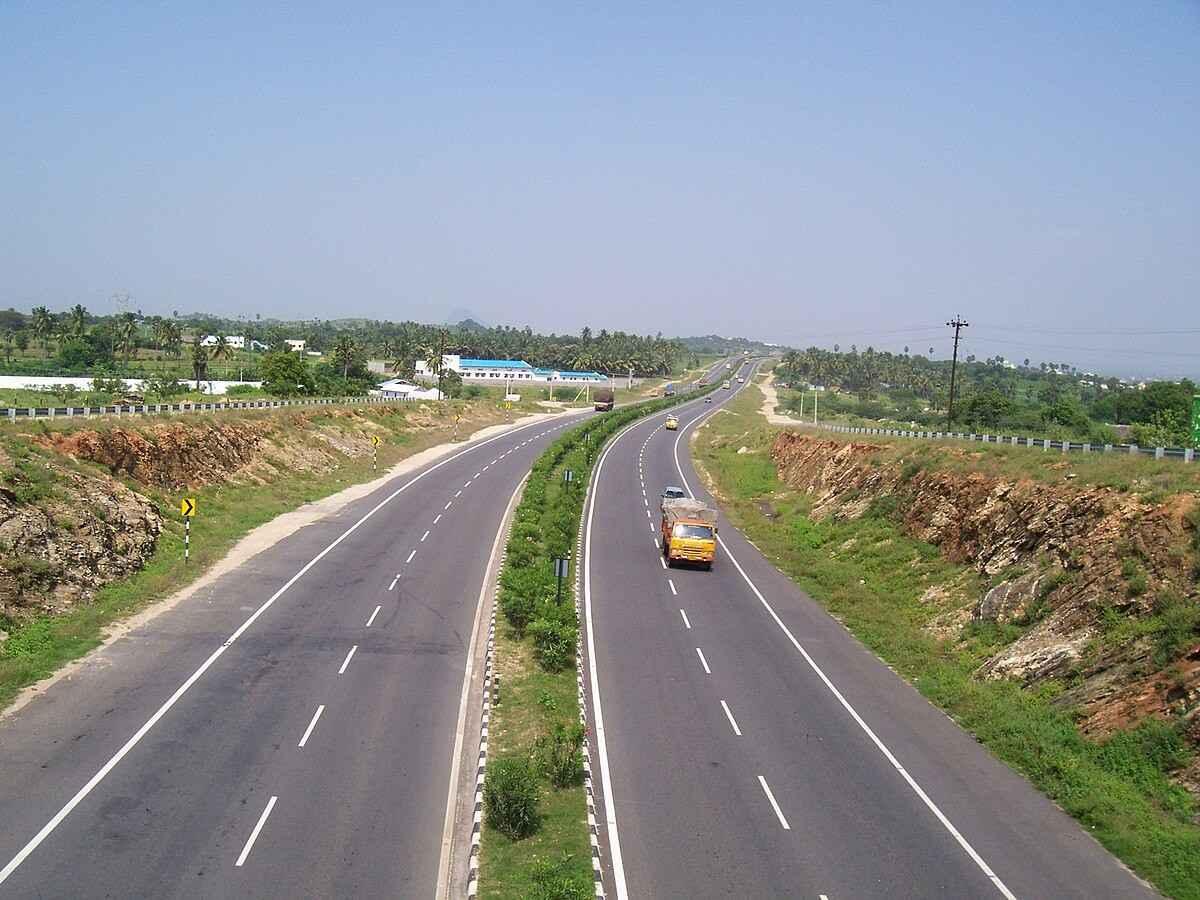 NH 54, Godigit
Route Overview: National Highway 54 (Punjab to Rajasthan)
National Highway 54 serves as a vital arterial link connecting the fertile Malwa region of Punjab with the northern districts of Rajasthan, spanning a landscape that transitions seamlessly from lush greenery to arid desert. The journey typically commences from the strategic border town of Fazilka, moving southwards through the agricultural powerhouse of Abohar, famously known as the 'California of Punjab' for its citrus orchards and cotton fields. As the highway traverses the Punjab segment, travelers are treated to views of sprawling kinnow gardens and vast wheat fields, with the road quality generally offering a smooth ride. The route is punctuated by several key urban centers that serve as essential logistical hubs, facilitating the heavy movement of commercial traffic. This section of the highway acts as a lifeline for the region's agrarian economy, connecting remote villages to major market mandis, and features well-developed wayside amenities including fuel stations and dhabas that reflect the rich Punjabi hospitality.
As NH 54 crosses the interstate border near Hindumalkot, the topography undergoes a striking transformation, marking the entry into the Sri Ganganagar and Hanumangarh districts of Rajasthan. The vibrant green of the Punjab plains gradually gives way to the browner, rugged terrain of the Thar Desert, although the presence of the Indira Gandhi Canal keeps certain patches surprisingly verdant. The highway becomes a crucial connector for the trade of gypsum and agricultural produce, leading directly into Hanumangarh, a pivotal junction where the road intersects with other major state highways. While this stretch offers a unique scenic beauty characterized by sand dunes and open skies, drivers must remain cautious of shifting sands and stray cattle, particularly in the rural segments. Ultimately, NH 54 not only bridges the geographical distance between these two culturally distinct states but also acts as a conduit for cultural exchange, visible in the gradual shift from Punjabi architecture to Rajasthani havelis along the roadside.
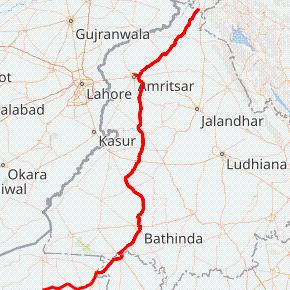 NH 54, Wikipedia
Types of Vehicles Allowed on National Highway 54 (Punjab to Rajasthan)
- Light Motor Vehicles: (LMVs) Cars, jeeps, and taxis are the most common vehicles on NH 54, utilized extensively for personal travel and tourism between the two states. These vehicles are permitted to ply on all sections of the highway, often cruising at higher speeds on the recently upgraded stretches. Drivers of LMVs must adhere to the speed limits set by the NHAI, which are strictly enforced via cameras and highway patrol units.
- Two-Wheelers: Motorcycles and scooters are legally allowed on National Highway 54, serving as a popular mode of transport for daily commuters from nearby towns and villages. Riders are required to keep to the extreme left lane to ensure their safety, as the highway witnesses significant heavy vehicle traffic. It is mandatory for all two-wheeler operators and pillion riders to wear helmets, with traffic police conducting regular checks at border points.
- Heavy Commercial Vehicles: (HCVs) Trucks and multi-axle trailers form the backbone of the logistics network on this route, transporting agricultural goods, cotton, and gypsum. These heavy vehicles are allowed 24/7, although they are subject to toll collections at various plazas situated along the Punjab-Rajasthan border. To prevent road damage and ensure safety, these vehicles must comply with strict weight regulations mandated by the government.
- Light Commercial Vehicles: (LCVs) Pick-up vans, tempos, and small trucks categorized as LCVs are permitted on the highway for short-distance goods transport. These vehicles typically supply local markets in Fazilka, Abohar, and Hanumangarh, often moving agricultural produce from fields to mandis. They are expected to maintain a specific lane discipline to avoid obstructing the faster-moving light motor vehicles on the main carriageway.
Places to Visit Near National Highway 54
Qila Mubarak, situated in the heart of Bathinda, Punjab, is a historical marvel and one of the oldest surviving forts in India, with origins tracing back to the Kushan period. This architectural gem is famously associated with the imprisonment of Razia Sultan, the first female ruler of Delhi, making it a significant site for history enthusiasts. The fort complex houses two distinct portions, the Quila Androon and the Quila Sarai, showcasing a blend of medieval military architecture and decorative art. Its towering ramparts, constructed with small bricks, bear silent testimony to centuries of political turmoil and changing dynasties, offering visitors a captivating glimpse into the region's glorious past.
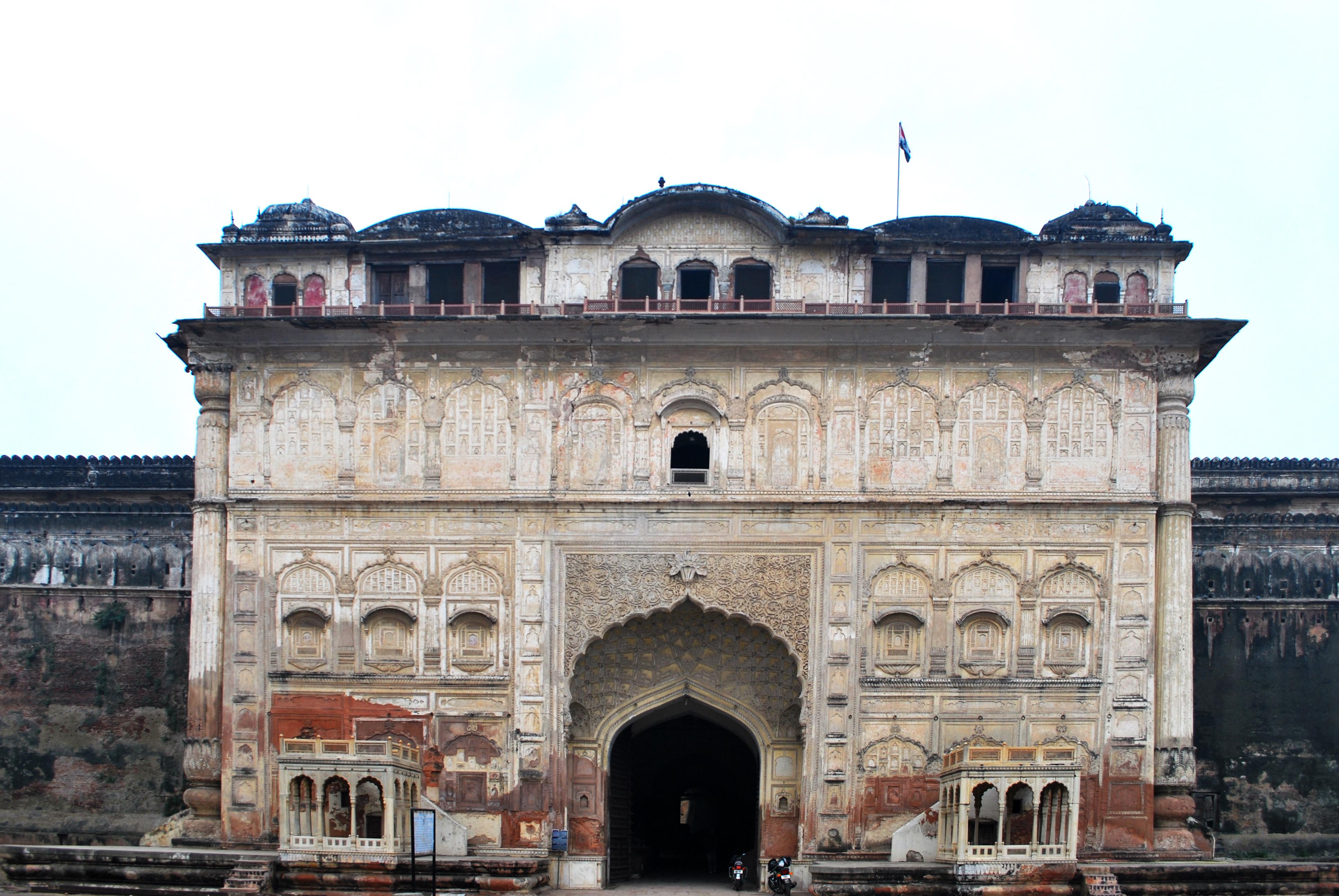 Qila Mubarak, Wikipedia
Jaisalmer Fort, located in the heart of the Golden City in Rajasthan, stands as a magnificent testament to the architectural prowess of the Rajputana era. Constructed in 1156 AD by Rawal Jaisal, this living fort is one of the few forts in the world that still houses a bustling population within its massive sandstone walls. Known locally as Sonar Quila or the Golden Fort, it glows with a mesmerizing honey-gold hue under the desert sun, seamlessly blending with the surrounding Thar Desert landscape. Inside its ramparts, visitors find a labyrinth of narrow alleyways, ornate Jain temples, and exquisite merchant havelis, all coexisting with modern shops and residences. Rising 76 meters above the city, the fort offers breathtaking panoramic views and remains an enduring symbol of Jaisalmer's rich history and vibrant culture.
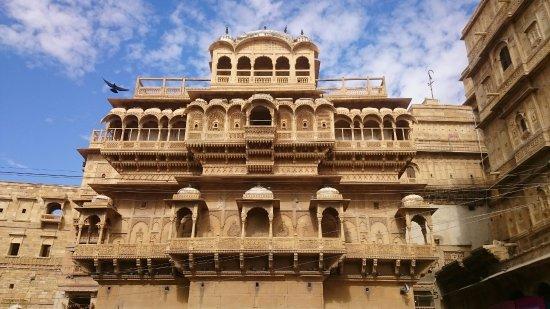 Jaisalmer Fort, Tripadvisor
Amar Mahal Palace, situated in the scenic city of Jammu, is a magnificent architectural masterpiece that reflects the grandeur of India's royal heritage. Constructed in the nineteenth century by a French architect on the orders of Raja Amar Singh, this red sandstone monument overlooks the serene waters of the Tawi River and the majestic Shivalik ranges. The palace, which once served as the residence of the Dogra dynasty, has now been converted into a captivating museum that houses a rich collection of Pahari paintings, royal artifacts, and a library with rare books. Its most famous attraction is the Golden Throne, a stunning symbol of opulence that draws history enthusiasts from across the globe.
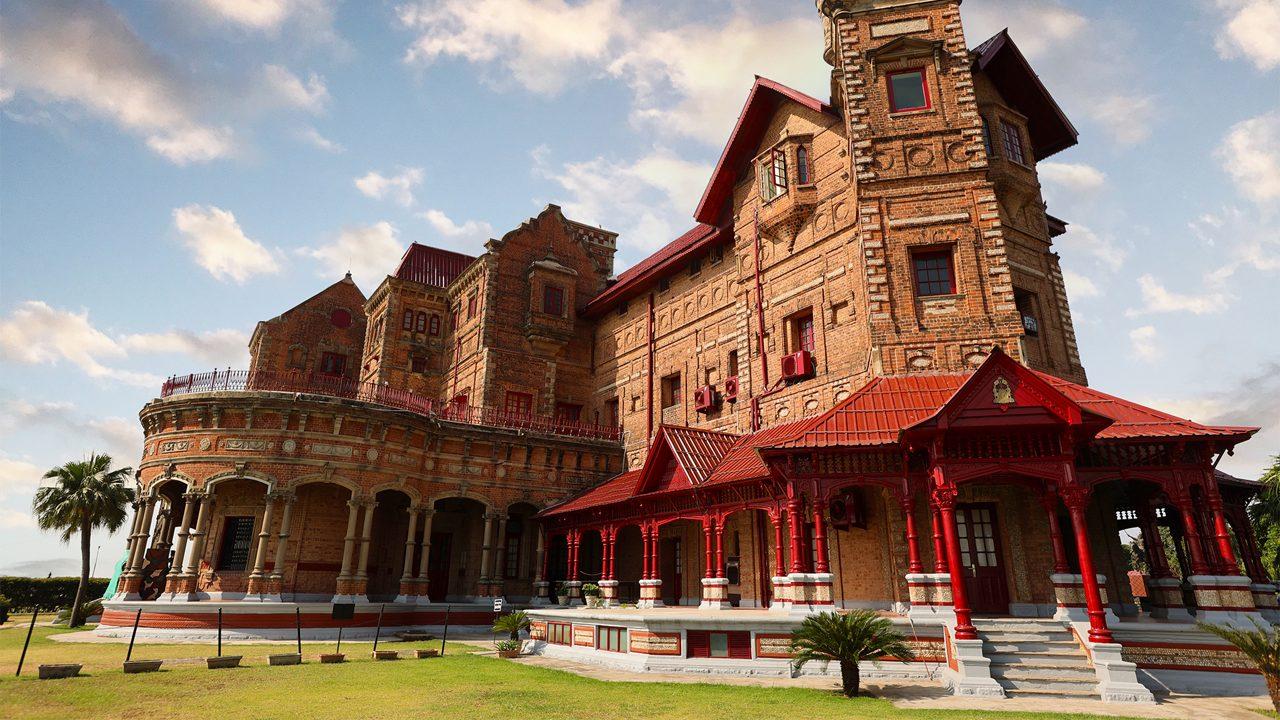 Amar Mahal Palace, Incredibleindia
Road Conditions and Driving Experience
The road conditions on National Highway 54 vary significantly as one traverses from the lush plains of Punjab into the arid landscapes of Rajasthan. The section within Punjab, particularly around Fazilka and Abohar, generally boasts well-maintained bituminous surfaces, offering a smooth ride with clearly marked lanes that allow for consistent cruising speeds. However, as the highway crosses the border into Rajasthan, drivers often encounter stretches undergoing active construction as part of the four-laning project, leading to occasional diversions and rough patches of unpaved road. These construction zones, while temporary, can cause sudden reductions in speed and require heightened vigilance to navigate uneven surfaces. Furthermore, during the monsoon season, low-lying areas near the Hanumangarh district may experience waterlogging, while the summer months bring the challenge of fine dust settling on the tarmac, which can reduce tire traction and visibility for commuters.
The overall driving experience on NH 54 is defined by the heavy mix of traffic and the unique environmental factors of the region. The highway acts as a major trade corridor, meaning private vehicle owners must constantly share the road with slow-moving tractor-trolleys, overloaded trucks, and stray cattle, particularly near village entry and exit points. While the Punjab stretch is lined with avenues of trees providing relief from the sun, the Rajasthan segment offers vast, open horizons where strong crosswinds can impact vehicle stability, requiring a firm grip on the steering. Despite these challenges, the route is scenic and vital, and safety has improved with the installation of reflective signboards and rumble strips near settlements. Drivers are advised to exercise patience during peak harvest seasons when agricultural traffic peaks, but the ongoing infrastructure upgrades promise a significantly safer and more comfortable journey in the near future.
Infrastructure Update: National Highway 54 (Punjab to Rajasthan)
- Broadening to Four Lanes: The most significant ongoing development on NH 54 is the expansion from a two-lane to a four-lane configuration. This major upgrade is currently focused on the strategically vital Punjab and Haryana sections, specifically the stretch connecting Moga and Barnala, extending towards the Haryana border near Hisar.
- Enhanced Road Safety Features: To improve commuter safety, the highway authority is installing modern safety infrastructure. This includes the construction of high-quality metal crash barriers, the application of durable thermoplastic road markings, and the installation of retro-reflective signage at key junctions to reduce accident rates.
- Major Bridge and Flyover Construction: Several new flyovers and elevated corridors are under construction at congested intersections and railway crossings. The focus is on eliminating bottlenecks at busy market areas along the route, ensuring uninterrupted traffic flow and reducing travel time significantly.
- Rajasthan Section Improvements: In the Rajasthan segment, specifically from Hanumangarh towards Pindwara, the NHAI has intensified road strengthening and resurfacing works. This includes the restoration of old bridges and the improvement of drainage systems to withstand heavy monsoon flows.
Conclusion
National Highway 54 stands as a vital economic artery that seamlessly bridges the agricultural heartlands of Punjab with the burgeoning markets of Rajasthan. While the route currently navigates through the challenges of active construction and mixed traffic, the ongoing four-laning projects promise a future of enhanced connectivity and reduced travel times. This highway is more than just a transit route; it is a catalyst for regional development, facilitating trade and fostering cultural exchange across state borders. As infrastructure upgrades progress, NH 54 is set to transform into a modern corridor, ensuring a safer, faster, and more efficient journey for generations to come.

explore further
Latest from Editorials
More from Publications
Resources


