




Table of Contents
- Introduction
- Route Overview National Highway 66 Maharashtra to Tamil Nadu
- Safety Precautions and Travel Tips National Highway 66
- Famous Places Around National Highway 66
- Infrastructure and Development Projects
- Conclusion
- Faq's
Introduction
National Highway 66 , a vital artery of India's transportation network, carves a path along the western coast, connecting Maharashtra to Tamil Nadu. This sprawling highway is more than just a road; it's a lifeline for commerce, tourism, and cultural exchange. Stretching through diverse landscapes and bustling urban centers, NH66 facilitates the seamless movement of people and goods, contributing significantly to the economic growth of the regions it traverses. Its strategic importance lies in connecting major ports, industrial hubs, and agricultural belts, thereby streamlining supply chains and fostering inter-state connectivity.
The Maharashtra to Tamil Nadu stretch of NH66 showcases a breathtaking array of geographical diversity. From the vibrant cityscape of Mumbai to the serene backwaters of Kerala and the cultural richness of Tamil Nadu, the highway offers a visual feast. It winds its way through lush coastal plains, traverses the majestic Western Ghats, and navigates bustling urban landscapes. Along the route, travelers encounter a multitude of languages, cuisines, and traditions, making the journey a unique and enriching experience. The highway also passes through significant historical and religious sites, adding a layer of cultural significance to the road trip.
Beyond its scenic beauty and cultural richness, NH66 plays a crucial role in facilitating economic activity. It serves as a conduit for agricultural produce from the hinterlands to reach urban markets, ensuring food security and supporting the livelihoods of farmers. Similarly, industrial goods and manufactured products are efficiently transported between states, boosting trade and commerce. The presence of major ports along the coastline further enhances the highway's strategic importance, connecting India to global markets. Upgrading and maintaining NH66 remains a priority to ensure its continued contribution to India's economic and social development.
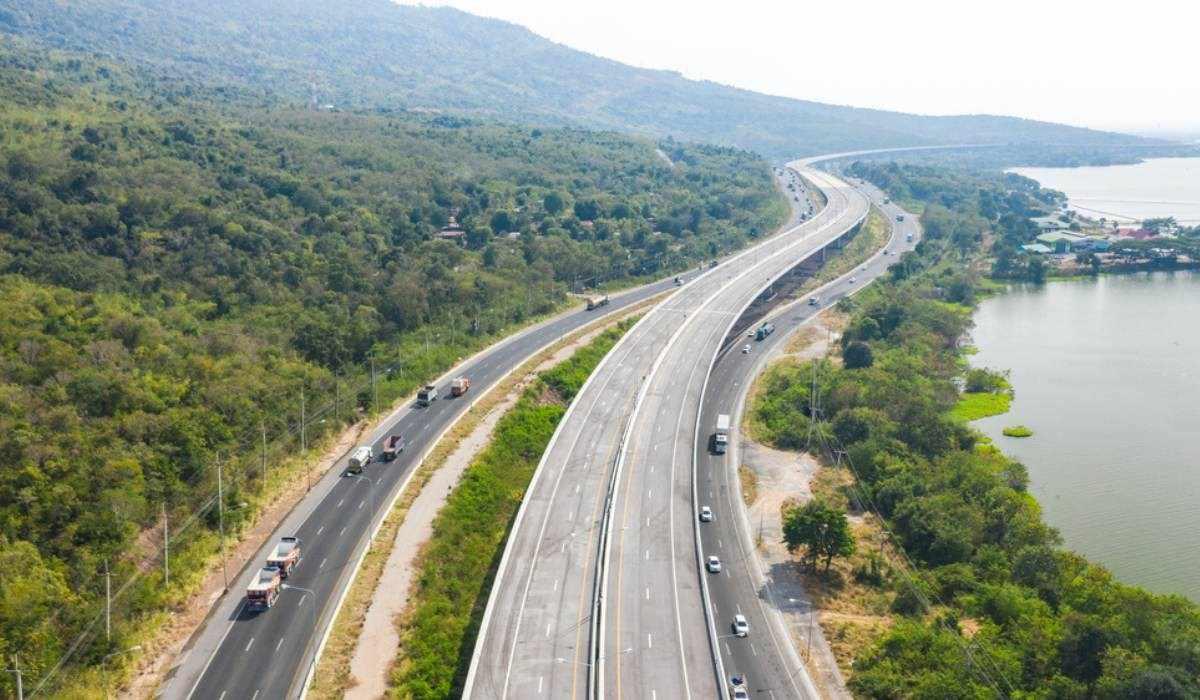 Godigit, NH 66
Route Overview National Highway 66 Maharashtra to Tamil Nadu
National Highway 66 is a vital roadway that connects the western coast of India from Maharashtra to Tamil Nadu. This highway is renowned for its scenic beauty as it traverses through coastal regions, dense forests, and vibrant urban areas. Starting from Maharashtra, it begins at the city of Panvel, just outside Mumbai, and provides access to a series of picturesque locations along the Konkan coast, including Alibaug, Raigad, and Ratnagiri. These areas are characterized by lush landscapes intermixed with stunning beaches and a rich cultural heritage.
As the highway progresses southward into Karnataka, it continues to offer breathtaking views while connecting several important towns such as Karwar and Mangalore. The roadway is essential for both trade and tourism, facilitating cargo movement and enabling travelers to explore Karnataka's rich biodiversity and historical sites. The highway's well-maintained segments ensure smooth travel, although some stretches may require caution due to local conditions and traffic.
Upon reaching Tamil Nadu, NH 66 continues its journey towards major cities like Kanyakumari and Tirunelveli, showcasing a diverse array of natural beauty and cultural landmarks. From the iconic beaches of Kanyakumari to the historical temples scattered across the region, the highway serves as a crucial link for commerce and cultural exchange. NH 66 not only enhances connectivity but also promotes tourism, making it an essential artery for the southwestern coastline of India.
Safety Precautions and Travel Tips National Highway 66
Safety Precautions:
- Vehicle Maintenance: Ensure your vehicle is in top condition. Check tires, brakes, lights, and fluids before departing.
- Route Planning: Plan your route in advance, noting fuel stops, rest areas, and potential detours. Download offline maps in case of connectivity issues.
- Driving Hours: Avoid driving when fatigued. Take regular breaks every 2-3 hours. Ideally, share driving duties with another licensed driver.
- Speed Limits: Adhere to posted speed limits and adjust your speed according to road conditions, weather, and traffic.
- Defensive Driving: Be aware of your surroundings. Maintain a safe following distance. Anticipate actions of other drivers, pedestrians, and animals.
- Emergency Kit: Carry a comprehensive emergency kit including a first-aid kit, flashlight, jumper cables, warning triangles, and basic tools.
- Communication: Ensure you have a functioning mobile phone with sufficient battery and a power bank. Save emergency contact numbers.
- Personal Safety: Keep valuables out of sight. Avoid displaying wealth. Be cautious when interacting with strangers at rest stops.
Travel Tips:
- Accommodation: Book accommodations in advance, especially during peak season. Choose reputable hotels or guesthouses along your route.
- Local Customs: Familiarize yourself with local customs and traditions in Maharashtra, Karnataka, Kerala and Tamil Nadu. Respect local cultures.
- Food & Water: Carry sufficient water and snacks, especially for remote stretches. Sample local cuisine at established restaurants and avoid street food if you have a sensitive stomach.
- Cash & Cards: Carry a mix of cash and cards. ATMs may be limited in certain areas. Inform your bank about your travel plans.
- Language: Learn a few basic phrases in Marathi, Kannada, Malayalam and Tamil to facilitate communication. English is widely spoken in tourist areas.
- Documentation: Keep copies of your important documents such as driver's license, vehicle registration, insurance, and identification.
- Weather: Check the weather forecast before and during your trip. Be prepared for varying weather conditions, especially during the monsoon season.
- Sightseeing: Plan to visit some of the scenic spots and historical sites along the way. Research beforehand and allocate sufficient time.
Famous Places Around National Highway 66
Karnala Bird Sanctuary: Karnala Bird Sanctuary, located about 60 kilometers from Mumbai, Maharashtra, spans 12.11 square kilometers. Established in 1968, it is renowned for its rich biodiversity and is a vital habitat for numerous bird species. The sanctuary features lush deciduous forests and is home to over 150 species of birds, including several migratory species. Notable sightings include the Ashy Minivet, Malabar Whistling Thrush, and the Indian Pygmy Woodpecker. The sanctuary also serves as a habitat for various mammals and reptiles, making it a significant ecological zone. Visitors can enjoy trekking and birdwatching, enhancing their experience of nature's beauty.
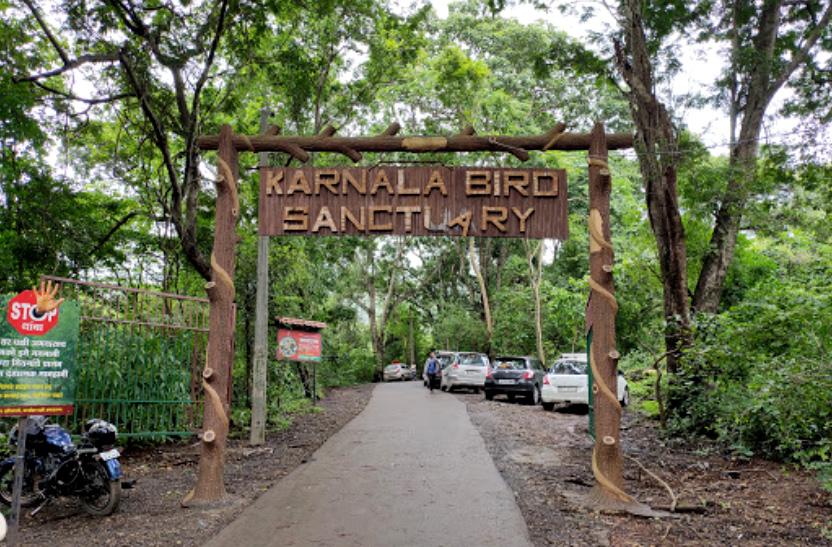 Jetsettersush, Karnala Bird Sanctuary
Anjuna Beach: Anjuna Beach, located in the Indian state of Goa, is renowned for its vibrant nightlife, stunning landscape, and bohemian culture. Known for its picturesque coastline, the beach features soft white sands and palm-fringed shores, attracting tourists and locals alike. Anjuna is famous for its Wednesday flea market, where visitors can shop for handicrafts, clothing, and souvenirs, while indulging in local cuisine. The beach has a rich history of attracting hippies in the 1960s, which has shaped its unique, laid-back atmosphere. Whether it's lounging by the sea, engaging in water sports, or enjoying beach parties, Anjuna Beach offers a diverse experience.
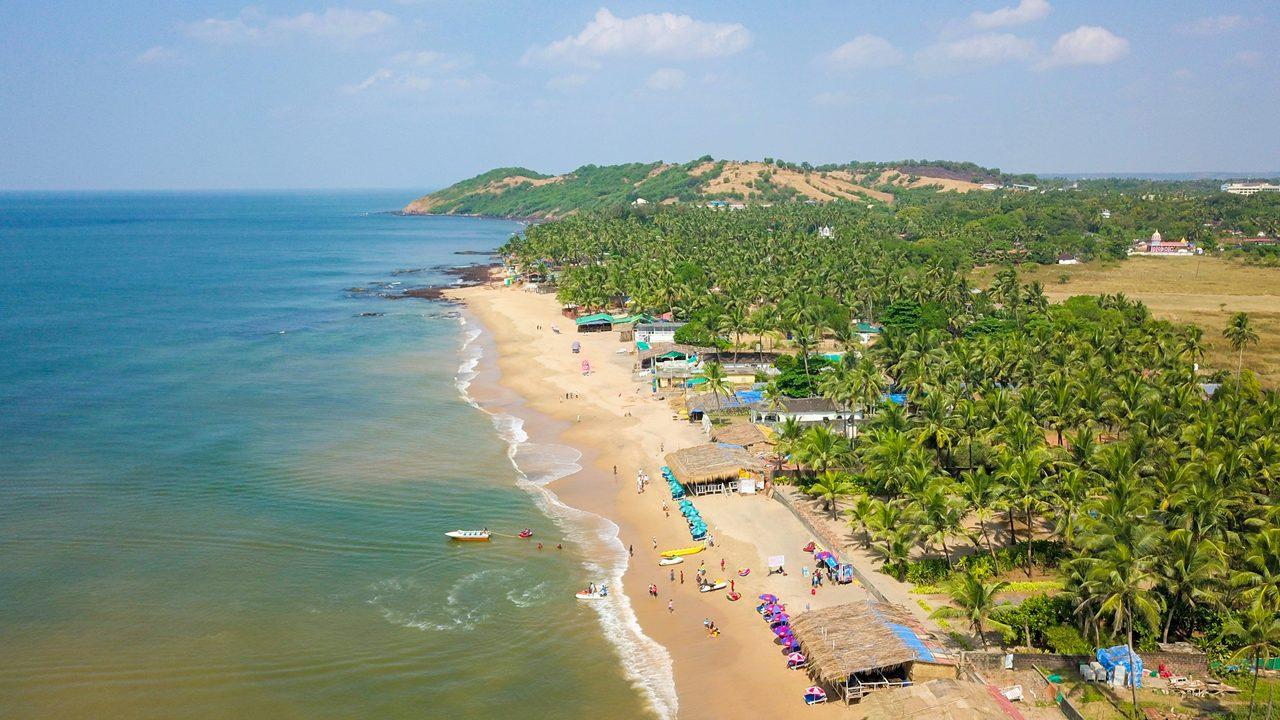 Incredibleindia , Anjuna Beach
Munnar: Munnar is a scenic hill station located in the Western Ghats of Kerala, India. Renowned for its lush green tea plantations, Munnar sits at an altitude of about 1,600 meters, providing a cool and invigorating climate year-round. The area boasts stunning landscapes, with rolling hills, cascading waterfalls, and diverse flora and fauna. Popular attractions include the Tea Museum, Anamudi Peak, and the Eravikulam National Park, home to the endangered Nilgiri Tahr. Munnar is also a hub for trekking, nature walks, and spice plantation tours, making it a favorite destination for nature lovers and adventure seekers alike.
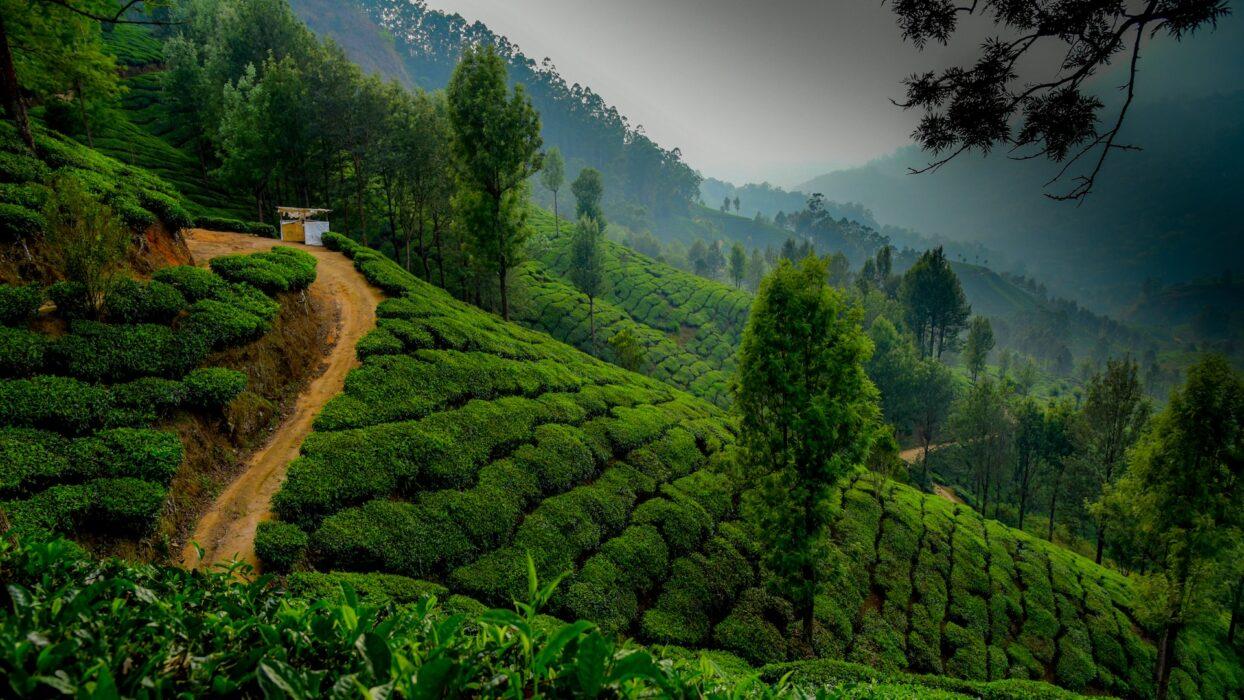 Agoda, Munnar
Infrastructure and Development Projects
National Highway 66 (NH-66), previously known as NH-17, is a crucial infrastructure project connecting Maharashtra to Tamil Nadu along India's western coast. Its development is multifaceted and aims to improve connectivity, boost economic growth, and enhance transportation efficiency. Here's a breakdown of the project in steps:
Project Scope and Objective: NH-66 aims to provide a high-speed, all-weather road connecting Panvel (Maharashtra) to Kanyakumari (Tamil Nadu), facilitating smoother transportation of goods and people. The project aims to reduce travel time, fuel consumption, and vehicle operating costs.
Detailed Project Report Preparation: Prior to construction, comprehensive DPRs are created for each segment of the highway. These reports include detailed surveys, traffic studies, environmental impact assessments, land acquisition plans, and cost estimations.
Land Acquisition: Acquiring land for the highway's right-of-way is a crucial step. This process involves identifying land owners, negotiating compensation packages, and obtaining necessary clearances. Resettlement and rehabilitation of affected communities are also key considerations.
Environmental Clearances: The project undergoes thorough environmental impact assessments to minimize its ecological footprint. Necessary clearances from environmental authorities are obtained to ensure sustainable development.
Construction and Upgradation: The existing highway is being widened and upgraded to a four-lane or six-lane configuration in many sections. New bridges, flyovers, underpasses, and culverts are constructed to improve traffic flow and safety. Modern construction techniques and materials are employed to ensure durability.
Project Implementation: NHAI (National Highway Authority of India) usually oversees the project, sometimes involving private concessionaires through various models like BOT (Build-Operate-Transfer) or HAM (Hybrid Annuity Model). These models attract private investment and expertise.
Monitoring and Quality Control: Stringent monitoring and quality control measures are implemented during construction to ensure adherence to specifications and standards. Regular inspections, material testing, and progress reviews are conducted.
Operation and Maintenance: Once completed, the highway is maintained to ensure smooth traffic flow and road safety. This includes regular repairs, resurfacing, and maintenance of roadside amenities.
Economic and Social Impact: NH-66 has a positive impact on the economy by boosting trade, tourism, and industrial development along its route. It improves accessibility to remote areas and facilitates the movement of agricultural produce, contributing to rural development. Job creation during construction and operation phases further benefits the local communities.
Conclusion
National Highway 66, stretching from Maharashtra to Tamil Nadu, plays a crucial role in connecting the western and southern regions of India. This picturesque route not only facilitates the movement of goods and people but also enhances tourism by showcasing the diverse landscapes and cultures of the coastal states. Along its path, travelers encounter vibrant towns, historical landmarks, and scenic vistas, making it a favored choice for road trips. The highway's ongoing development aims to improve infrastructure, ensuring safer and more efficient travel. Overall, NH66 is vital for economic growth and regional connectivity, fostering unity across states.

explore further
Latest from Editorials
More from Publications
Resources


