





Table of Contents
- Introduction to National Highway 113
- Route Overview National Highway 113
- Road Conditions and Infrastructure of National Highway 113 Hawa Camp to Kibithu
- Tourist Attractions Along NH 113
- Conclusion
- Faq's
Introduction to National Highway 113
National Highway 113 is a crucial arterial road in Arunachal Pradesh, India, extending from Hawa Camp to Kibithu. This highway plays a significant role in enhancing connectivity in one of the northeastern states of India, known for its breathtaking landscapes and intricate network of roads. Hawa Camp serves as a pivotal junction, facilitating access to remote areas and promoting economic activities by linking villages and towns along its route. The geographical significance of NH 113 cannot be overstated, as it traverses diverse terrains, including dense forests and hilly landscapes, reflecting the rich biodiversity of the region.
The highway also serves as a gateway to the scenic beauty and cultural heritage of Arunachal Pradesh, attracting tourism and improving the livelihood of local communities. Kibithu, situated at the easternmost point of India, boasts both strategic and cultural importance. The town serves as a border post and is close to the Indo-China border, adding a layer of significance to NH 113 in terms of national security. The stretch from Hawa Camp to Kibithu not only facilitates military logistics but also promotes civilian trade and tourism, contributing to the region's development. Furthermore, the highway's improvement is vital for providing better access to healthcare, education, and employment opportunities for the local population. Overall, NH 113 serves as a lifeline in Arunachal Pradesh, underscoring the need for enhanced infrastructure in remote areas while fostering regional development through improved connectivity and accessibility.
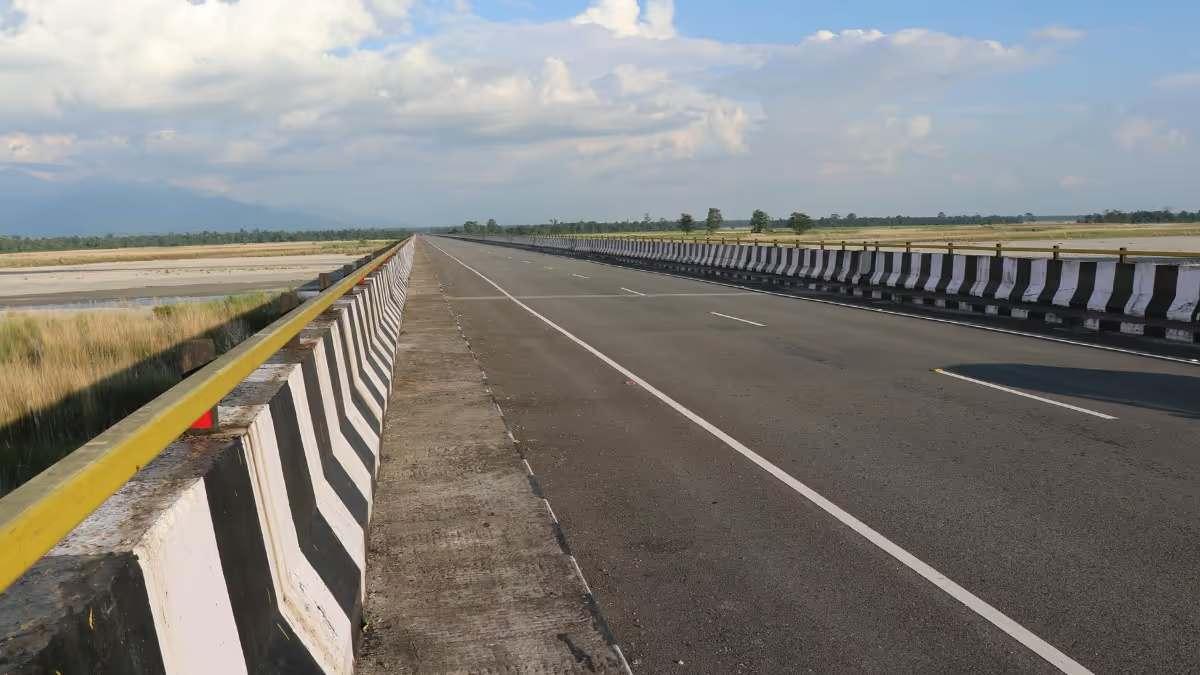 National Highway 113, Indiatodayne
Route Overview National Highway 113
National Highway 113 is one of the most scenic and strategically important roads in the northeastern state of Arunachal Pradesh, connecting remote border regions with the rest of the country. The route begins near Hawa Camp, a small yet vital settlement perched amidst lush green hills and dense forests. From here, the highway winds through rugged mountainous terrain, offering breathtaking views of valleys, rivers, and mist-covered peaks. The road is known for its narrow stretches and sharp bends, reflecting the challenging geography of the Eastern Himalayas. As it progresses, NH 113 passes through sparsely populated areas inhabited by indigenous communities, giving travelers a glimpse into the rich cultural diversity and traditional lifestyle of the region. The highway ultimately leads to Kibithu, which holds the distinction of being one of the easternmost inhabited places in India, located near the border with China.
This stretch of NH 113 is not just a transportation route but also a lifeline for defense and local connectivity, especially due to its proximity to sensitive border areas. The journey from Hawa Camp to Kibithu is relatively short in distance but can be time-consuming due to road conditions and weather-related challenges such as landslides and heavy rainfall. Despite these difficulties, the route remains a favorite among adventure seekers and nature lovers who are drawn to its untouched beauty and tranquil environment, making it a unique travel experience in India's far northeast.
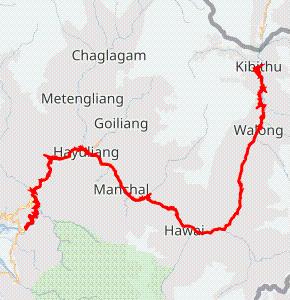 National Highway 113, Wikipedia
Road Conditions and Infrastructure of National Highway 113 Hawa Camp to Kibithu
The road conditions along National Highway 113, connecting Hawa Camp to Kibithu in Arunachal Pradesh, vary significantly due to the region's challenging terrain and weather patterns. While certain stretches of the highway are well-paved and smooth, many sections remain narrow, steep, and prone to landslides, especially during the monsoon season. The route passes through dense forests, high-altitude zones, and sharp bends, requiring careful driving and experienced handling. In some areas, temporary disruptions may occur due to falling rocks or road repair work, making travel unpredictable at times. Despite these challenges, the highway remains functional for most of the year, serving as a crucial link for both civilians and defense movement. Travelers are advised to use sturdy vehicles, preferably SUVs, and plan their journey during daylight hours for better safety and visibility.
The infrastructure development of NH 113 is primarily managed by the Border Roads Organisation, which plays a vital role in maintaining and upgrading this strategic route. Continuous efforts are being made to improve road quality through widening projects, better drainage systems, and the construction of protective barriers in landslide-prone areas. Although amenities such as fuel stations, repair shops, and rest stops are limited along the route, small local settlements provide basic support for travelers. The government has been focusing on enhancing connectivity in border regions, leading to gradual improvements in infrastructure and accessibility. Advanced engineering techniques are being used to stabilize slopes and ensure durability in extreme weather conditions. As development progresses, National Highway 113 is expected to become more reliable and efficient, strengthening regional connectivity while supporting tourism and economic growth in this remote part of India.
Tourist Attractions Along NH 113
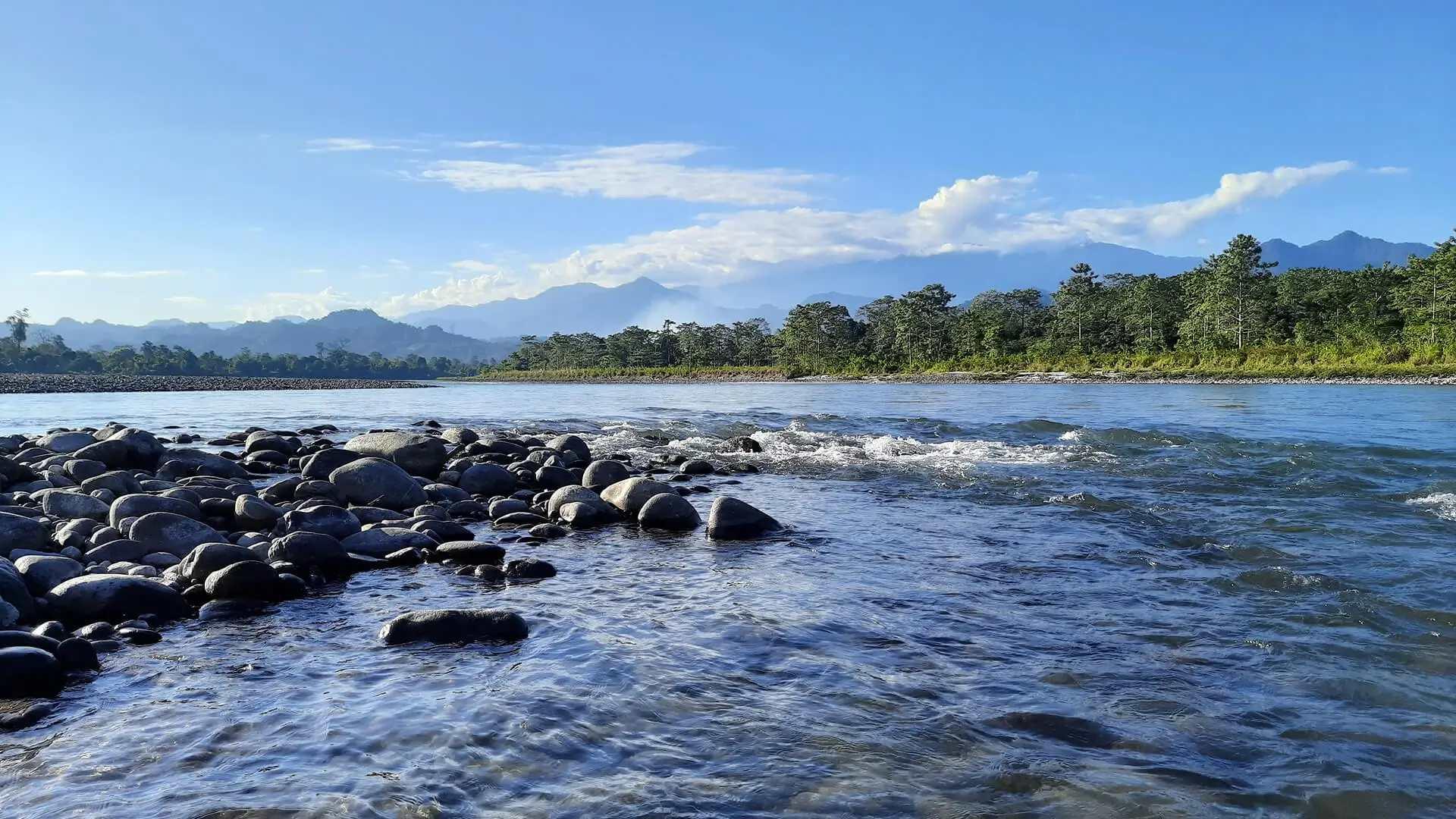
Nameri National Park: Nameri National Park located in Assam, India, spans over 200 square kilometers and is a prominent biodiversity hotspot. Established in 1998, it is part of the larger Kaziranga-Nameri ecosystem, renowned for its lush forests, grasslands, and the breathtaking Jia Bhoroli River. The park is home to diverse wildlife, including the iconic Asiatic elephant, the endangered Indian rhino, and various bird species such as the white-winged wood duck. Nameri offers opportunities for eco-tourism and adventure activities like river rafting and trekking, attracting nature enthusiasts and wildlife photographers, while promoting conservation efforts in the region.
Bomdila Monastery: Bomdila Monastery also known as the Bomdila Buddhist Monastery, is a prominent religious site located in the West Kameng district of Arunachal Pradesh, India. Established in the 1960s, it serves as a significant center for Tibetan Buddhism, reflecting the rich cultural heritage of the region. The monastery features stunning architecture and is adorned with intricate murals and large prayer wheels. Surrounded by picturesque landscapes and panoramic views of the Himalayan range, Bomdila Monastery attracts both pilgrims and tourists. It also offers opportunities for meditation and learning, fostering spiritual growth and tranquility amidst the serene setting.
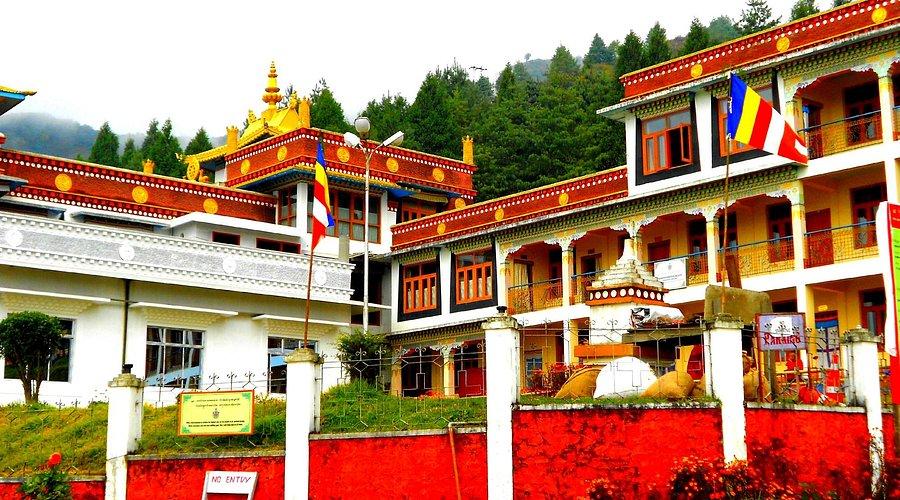 Bomdila Monastery, Tripadvisor
Dirang Dzong: Dirang Dzong is a picturesque town located in the West Kameng district of Arunachal Pradesh, India. Nestled in the Eastern Himalayas, it is known for its stunning landscapes, rich cultural heritage, and historical significance. The town features the ancient Dirang Dzong fortress, built in the 17th century, which offers breathtaking views of the surrounding mountains and valleys. Dirang is also home to diverse flora and fauna, making it a popular destination for nature enthusiasts. Additionally, the region's vibrant local culture, characterized by traditional festivals and handicrafts, attracts visitors, enhancing its charm as a serene getaway.
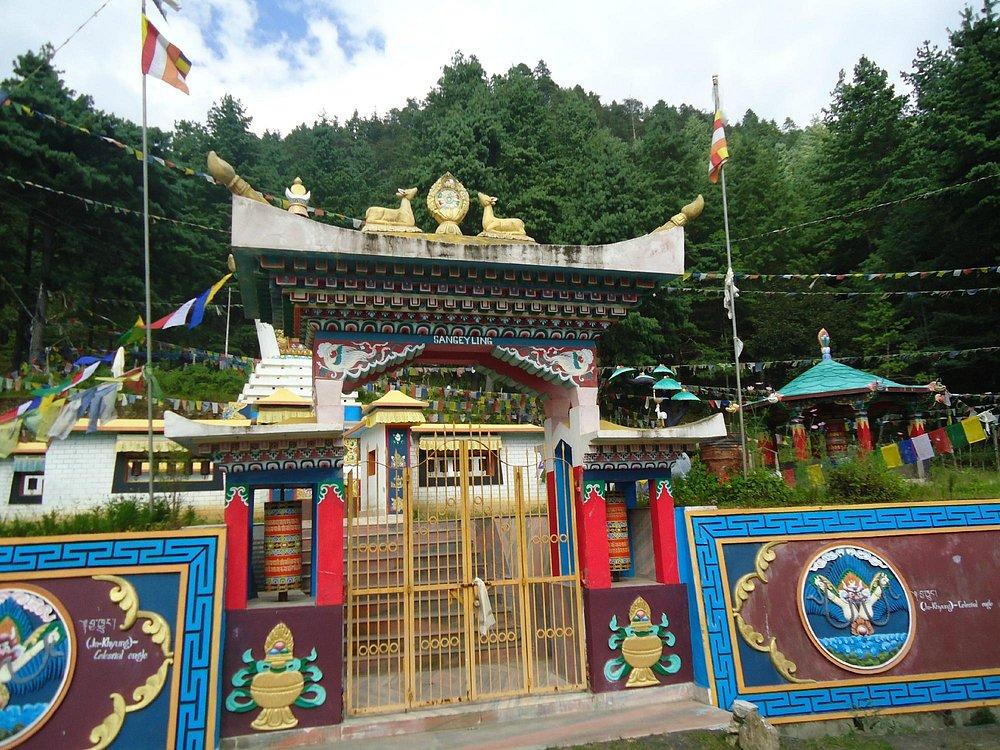 Dirang Dzong, Tripadvisor
Conclusion
National Highway 113, connecting Hawa Camp and Kibithu in Arunachal Pradesh, plays a crucial role in enhancing regional connectivity and promoting socio-economic development. This strategic highway not only facilitates the movement of goods and people, but also improves access to vital services in remote areas. Its importance is underscored by its proximity to the India-China border, making it essential for national security as well. Additionally, the route supports tourism in the region, showcasing the natural beauty of Arunachal Pradesh. Overall, NH-113 is a vital infrastructure asset that contributes significantly to the state's growth and integration with the rest of the country.

explore further
Latest from Editorials
More from Publications
Resources


