




Table of Contents
- Introduction to National Highway 11
- Route and Cities Covered by NH 11
- Types of Vehicles Allowed on National Highway 11
- Famous Places Around National Highway 11
- Conclusion
- Faq's
Introduction to National Highway 11
National Highway 11 is one of the most important highways in India, connecting Haryana to Rajasthan and extending deep into the western desert regions. Covering nearly 848 kilometers, the highway begins in Rewari, Haryana, and passes through key cities such as Jhunjhunu, Sikar, Bikaner, Nagaur, Jodhpur, and Barmer before reaching close to the Indo-Pak border. It plays a vital role in boosting regional connectivity, linking agricultural hubs in Haryana with the cultural and desert regions of Rajasthan. Apart from serving as a transport route, NH 11 is also a backbone for trade, industry, and tourism. Over the years, it has been widened and modernized under government projects like Bharatmala Pariyojana, ensuring faster and smoother travel.
The cultural and economic significance of NH 11 makes it more than just a road. Travelers using this highway can explore the famous Shekhawati havelis, Bikaner's forts, Jodhpur's majestic Mehrangarh Fort, and the desert landscapes of Barmer, making the journey itself an enriching experience. Economically, it supports trade by moving agricultural produce, handicrafts, and industrial goods efficiently across states. Despite challenges like traffic congestion and desert sand accumulation, NH 11 continues to be a lifeline for millions. With ongoing development and modernization, the highway is set to become even more crucial for strengthening connectivity between Haryana, Rajasthan, and the rest of India.
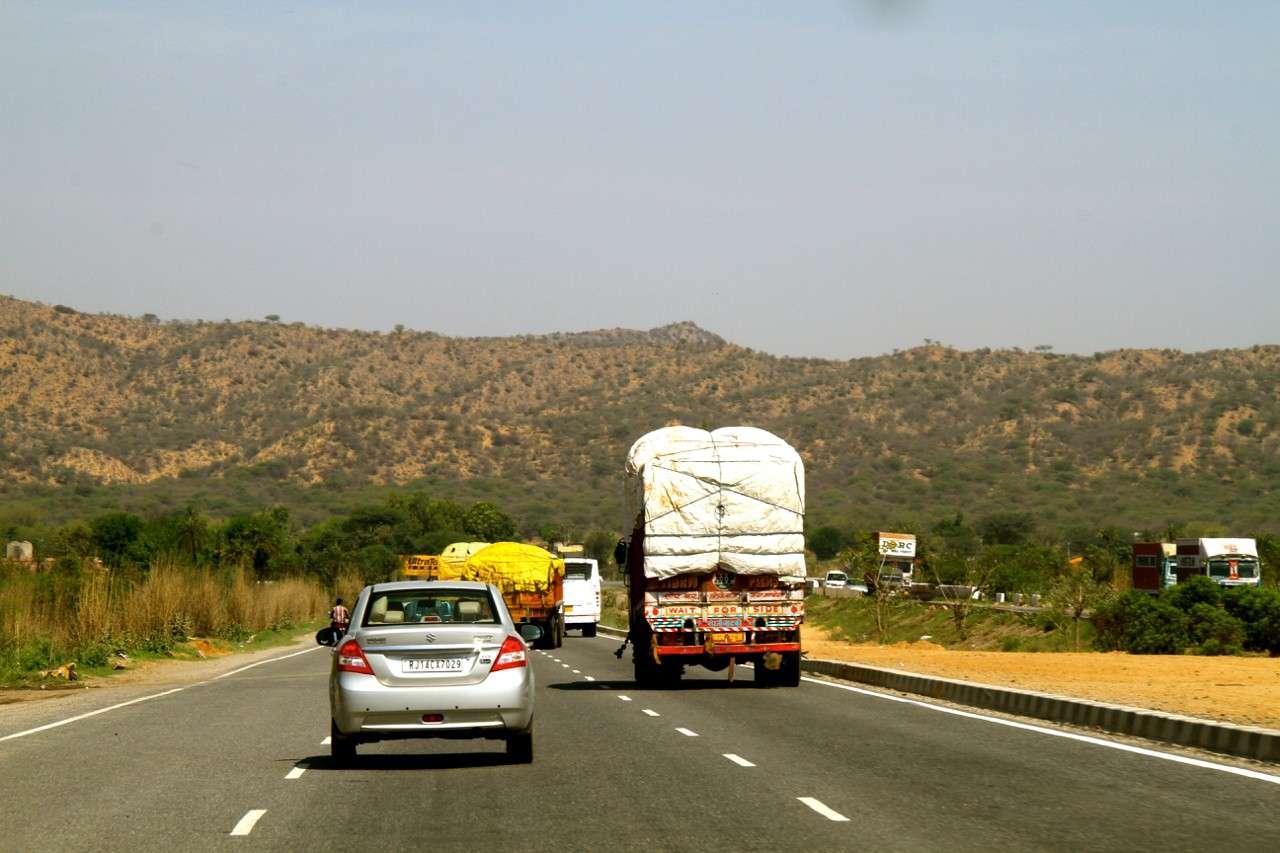
Route and Cities Covered by NH 11
National Highway 11 begins in Rewari, Haryana, and stretches across Rajasthan, making it one of the most important highways for regional connectivity. From Haryana, it quickly enters the Shekhawati region of Rajasthan, covering towns like Jhunjhunu and Sikar, both of which are known for their cultural heritage and growing educational hubs. The route then extends to Nagaur, an important agricultural and trading center, before heading further west. This section of the highway not only connects industrial and rural belts but also ensures seamless transport for farm produce, textiles, and local goods, contributing to regional economies. From Nagaur, NH 11 continues toward Bikaner, a city famous for its forts, camel breeding, and desert culture.
The highway then connects to Jodhpur, one of Rajasthan's largest cities, renowned for the Mehrangarh Fort and its role as a commercial hub. Moving further, it reaches Barmer, a region close to the Indo-Pak border that holds both cultural and strategic importance. Each of these cities along NH 11 represents a blend of tradition and modern growth, and the route serves as a backbone for tourism, trade, and defense logistics. This makes NH 11 not just a transport route but a vital economic and cultural corridor between Haryana and Rajasthan.
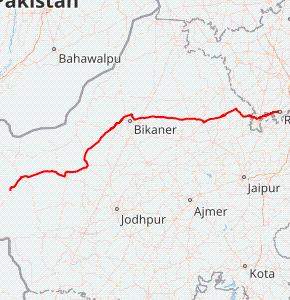 Wikipedia, NH 11
Types of Vehicles Allowed on National Highway 11
- Passenger Vehicles Passenger vehicles are widely permitted on National Highway 11, making it accessible for everyday commuters and tourists. This includes private cars, SUVs, and jeeps. These vehicles are used for intercity travel, tourism, and personal transport. Passengers benefit from the highway's smooth lanes, signage, and rest stops, which enhance comfort and safety during long drives.
- Two-Wheelers Motorcycles and scooters are allowed on NH 11, making it convenient for local travelers and delivery services. Two-wheelers are common for shorter journeys between towns or rural areas along the highway. Riders must follow traffic rules, wear helmets, and adhere to speed limits, as some stretches of the highway can be prone to congestion or sand accumulation in desert regions.
- Public Transport Vehicles Public transport plays a major role on NH 11. Buses, both government-run and private, frequently operate along this highway, connecting cities such as Rewari, Jhunjhunu, Bikaner, and Jodhpur. These buses provide affordable travel options for daily commuters and tourists alike. The highway's bus stops, shelters, and rest areas support safe and efficient operations for public transport vehicles.
- Commercial and Freight Vehicles Trucks, lorries, and goods carriers are allowed on NH 11 to facilitate the movement of agricultural produce, industrial goods, and local handicrafts. Freight vehicles are essential for Haryana's agriculture-based economy and Rajasthan's trade and manufacturing sectors. The highway's design includes wider lanes and designated bypasses in congested areas to support heavy vehicles safely.
- Specialized Vehicles Emergency vehicles such as ambulances, fire trucks, and police vehicles are permitted unrestricted access on NH 11. These vehicles have priority during emergencies and benefit from proper highway signaling and bypass routes. Additionally, construction and maintenance vehicles use the highway during road development projects.
Famous Places Around National Highway 11
City Palace: City Palace, located in the heart of Jaipur, Rajasthan, is a magnificent blend of Rajput and Mughal architecture, reflecting the royal heritage of the region. Built in the 18th century by Maharaja Sawai Jai Singh II, the palace complex houses courtyards, gardens, and museums displaying royal costumes, weapons, and artifacts. Its intricate facades, ornate balconies, and grand gates showcase exquisite craftsmanship, while the Mubarak Mahal and Chandra Mahal remain iconic highlights. A major tourist attraction, the City Palace not only offers a glimpse into Rajasthan's regal past but also serves as a vibrant cultural hub for visitors from around the world.
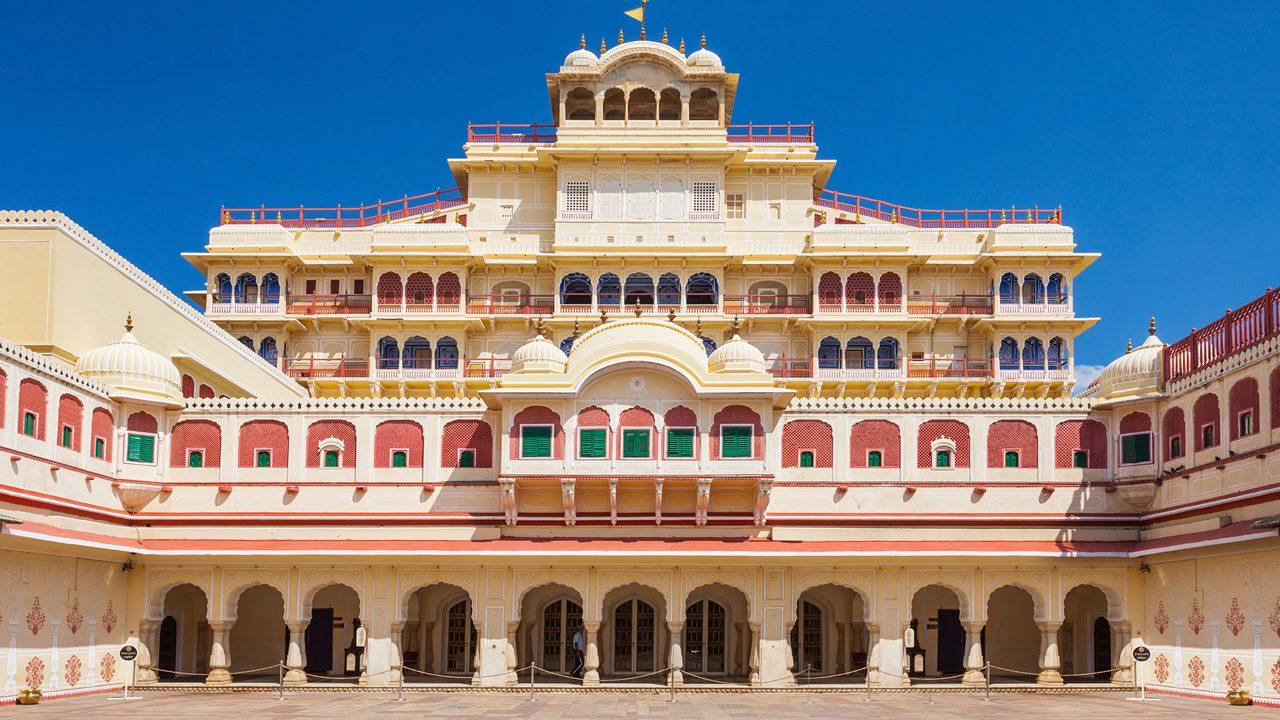 Incredible India, City Palace
Ganga Golden Jubilee Museum: Ganga Golden Jubilee Museum is a remarkable cultural and historical destination that celebrates the rich heritage of the region. Showcasing artifacts, photographs, and exhibits spanning several decades, the museum provides visitors with an immersive journey through local history, art, and traditions. Its well-curated collections include ancient relics, cultural memorabilia, and displays highlighting significant milestones in the community's development. The museum is designed to educate, inspire, and engage visitors of all ages, offering a blend of informative storytelling and visual appeal. Ideal for history enthusiasts, students, and tourists, it stands as a symbol of preservation and pride.
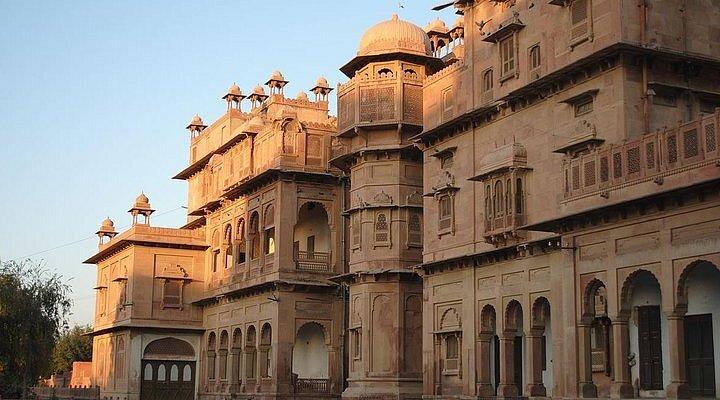 Tripadvisor, Ganga Golden Jubilee Museum
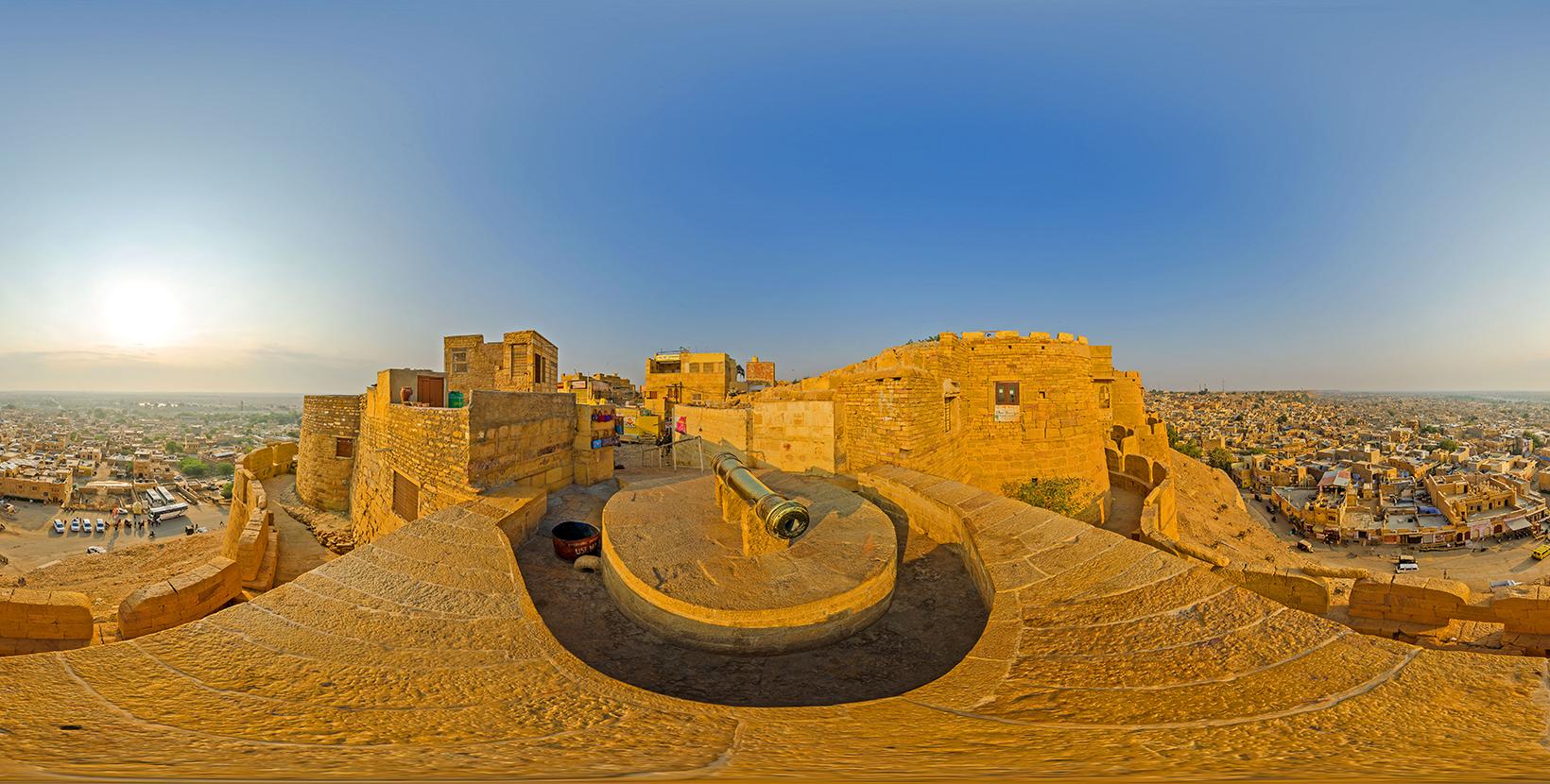
Jaisalmer Fort: Jaisalmer Fort, also known as Sonar Quila or the Golden Fort, is a majestic hilltop fortress located in the heart of Jaisalmer, Rajasthan. Built in 1156 AD by Rawal Jaisal, it stands as one of the largest fully preserved fortresses in India and a UNESCO World Heritage site. The fort's golden sandstone walls glow beautifully at sunset, giving it its nickname. Inside, narrow lanes lead to intricately carved havelis, temples, and bustling markets, reflecting the rich Rajputana culture. Jaisalmer Fort is not only a historic monument but also a living fort, housing a vibrant community and offering stunning panoramic views of the Thar Desert.
Conclusion
National Highway 11 from Haryana to Rajasthan is far more than a strip of asphalt; it is a symbol of connectivity, culture, and commerce. Serving as a vital lifeline for millions of people, it facilitates trade, supports tourism, enhances cultural exchanges, and strengthens India's road infrastructure. Its route through historically rich and economically significant regions makes it a highway of both practical and symbolic importance. With ongoing and future developments, NH 11 is poised to become even more modern, efficient, and traveler-friendly, ensuring it continues to contribute significantly to the growth of Haryana, Rajasthan, and India as a whole.

explore further
Latest from Editorials
More from Publications
Resources


