





Table of Contents
- Introduction to National Highway 12
- Route Coverage Across Major Districts
- Economic and Trade Impact National Highway 12
- Famous Places Around National Highway 12
- Infrastructure Development and Upgrades National Highway 12
- Conclusion
- Faq's
Introduction to National Highway 12
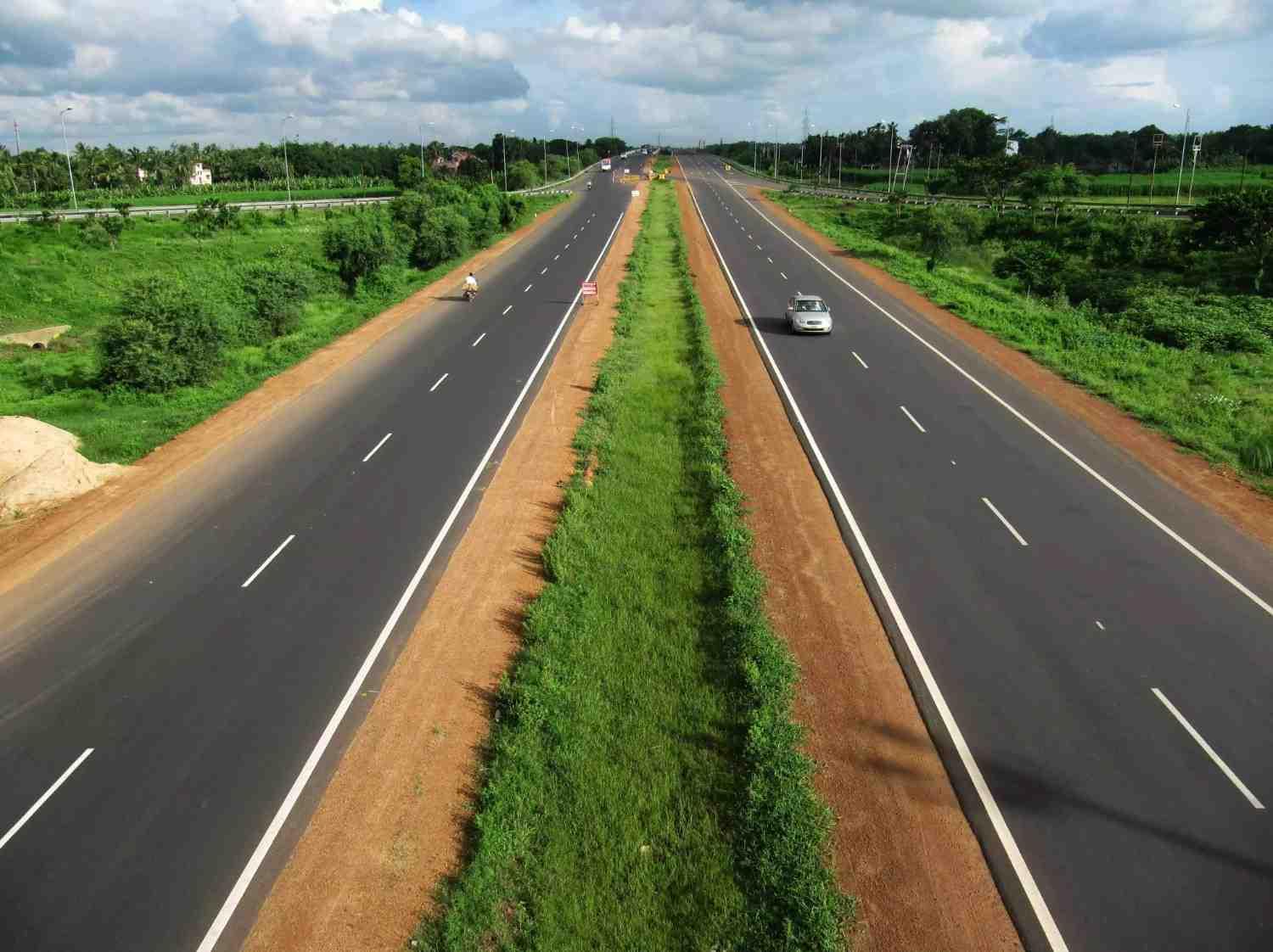
National Highway 12 (NH12) stretches across West Bengal, connecting the bustling town of Dalkhola in the north to the serene coastal paradise of Bakkhali in the south. This vital artery serves as a crucial link, facilitating the movement of goods and people across the state's diverse landscapes. The highway traverses a remarkable range of terrains, starting from the agricultural heartland of North Bengal, characterized by its verdant paddy fields and tea gardens, and gradually descending through the densely populated urban centers of the Ganges delta. NH12 offers a glimpse into the multifaceted fabric of West Bengal, connecting its vibrant cities, historical towns, and rural settlements. Beyond its practical significance for transportation, the highway serves as a corridor of cultural exchange, allowing travelers to experience the rich tapestry of traditions, dialects, and lifestyles that define the state. Its construction and maintenance are paramount to economic growth and connectivity within West Bengal, fostering trade, tourism, and overall societal development.
The journey along NH12 presents a diverse sensory experience, evolving as the landscape transforms from the northern plains to the coastal regions. As one approaches Bakkhali, the air thickens with the salty tang of the Bay of Bengal, and the scenery shifts to embrace mangrove forests, sandy beaches, and fishing villages. This transition marks the culmination of a long journey, offering a stark contrast to the initial landscapes encountered in Dalkhola. NH12 not only facilitates the movement of goods and people but also acts as a pathway to explore the distinct geographical and ecological zones within West Bengal. The highway's impact extends beyond mere transportation; it connects communities, promotes trade, and offers opportunities for tourism and economic empowerment to the regions it traverses. Properly maintained and continuously developed, NH12 remains a vital component of West Bengal's infrastructure, playing a pivotal role in the state's continued growth and prosperity.
 NH 12, Godigit
Route Coverage Across Major Districts
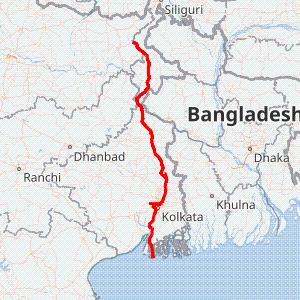
National Highway 12 spans a significant route in West Bengal, connecting Dalkhola to Bakkhali. This highway is crucial for facilitating the movement of goods and people across various districts, including Uttar Dinajpur, Malda, and South 24 Parganas. Starting from Dalkhola, the highway serves as a vital conduit linking the northern regions of West Bengal with its southern coastal areas, enhancing trade and tourism opportunities. The highway's strategic importance is underscored by its role in connecting cities, rural areas, and key economic centers. As it traverses diverse terrains, it also promotes regional development and accessibility, making transportation more efficient. Moreover, the route includes several major towns and districts that significantly contribute to West Bengal's economy and culture. As the highway progresses towards Bakkhali, it passes through notable locations that serve as hubs for agricultural products, local crafts, and cultural sites.
The South 24 Parganas district, in particular, boasts picturesque landscapes and is known for its rich biodiversity, drawing tourists to places like the Sundarbans. Efforts to maintain and improve road conditions along NH-12 are crucial for ensuring safety and efficiency in transportation. Regular upgrades and traffic management initiatives are necessary to handle the growing volume of traffic and enhance the overall travel experience for commuters and transporters alike. In summary, NH-12 plays a pivotal role in the connectivity and economic vitality of West Bengal, linking diverse districts and fostering growth across the region.
 NH 12, Wikipedia
Economic and Trade Impact National Highway 12
Enhanced Connectivity and Reduced Transportation Costs: The construction and improvement of NH-12 directly enhance connectivity between North and South Bengal, creating a more efficient transportation corridor. This improved connectivity translates into reduced transportation costs for goods and people. Reduced fuel consumption, shorter travel times, and lower vehicle maintenance expenses contribute to lower overall logistics costs. Farmers can transport perishable goods faster, reducing spoilage. Businesses can access wider markets, and the movement of raw materials becomes more efficient. This boost in efficiency can lead to a more competitive business environment and attract further investment. The reduced travel time will also encourage tourism.
Stimulation of Local Economies Along the Highway: NH-12 will act as a catalyst for economic development in the regions it traverses. Small towns and rural areas situated along the highway are likely to experience increased commercial activity. New businesses, such as restaurants, repair shops, and retail outlets, will emerge to cater to the needs of travelers and truckers. The highway also facilitates the development of agricultural processing units and cold storage facilities near farming areas, benefiting local farmers and increasing the value of their produce. Real estate values in surrounding areas are likely to appreciate, leading to further investment in infrastructure and development.
Boost to Trade and Tourism: The improved infrastructure stimulates both domestic and international trade. Easier access to ports and border crossings facilitates the movement of goods to and from West Bengal. This can boost export-oriented industries and attract foreign investment. Tourism also stands to benefit significantly. Improved access to tourist destinations along the route, such as Bakkhali and other coastal areas, will increase tourist footfall, boosting the hospitality sector and creating employment opportunities. The enhanced connectivity could also encourage the development of new tourist circuits, linking different attractions and promoting regional tourism. The overall impact would be a more vibrant and diverse economy.
Famous Places Around National Highway 12
Victoria Memorial Hall: Victoria Memorial Hall is one of Kolkata's most iconic landmarks, built in memory of Queen Victoria and showcasing the grandeur of British-era architecture. Made of white Makrana marble, the monument combines Indo-Saracenic, Mughal, and European styles, making it visually striking. Located amidst lush green gardens, it houses a museum with rare paintings, manuscripts, sculptures, and historical artifacts from the colonial period. The memorial is a major cultural and tourist attraction, drawing visitors from across the world. Evening light-and-sound shows narrate its history, while the surrounding lawns provide a peaceful space for relaxation and photography.

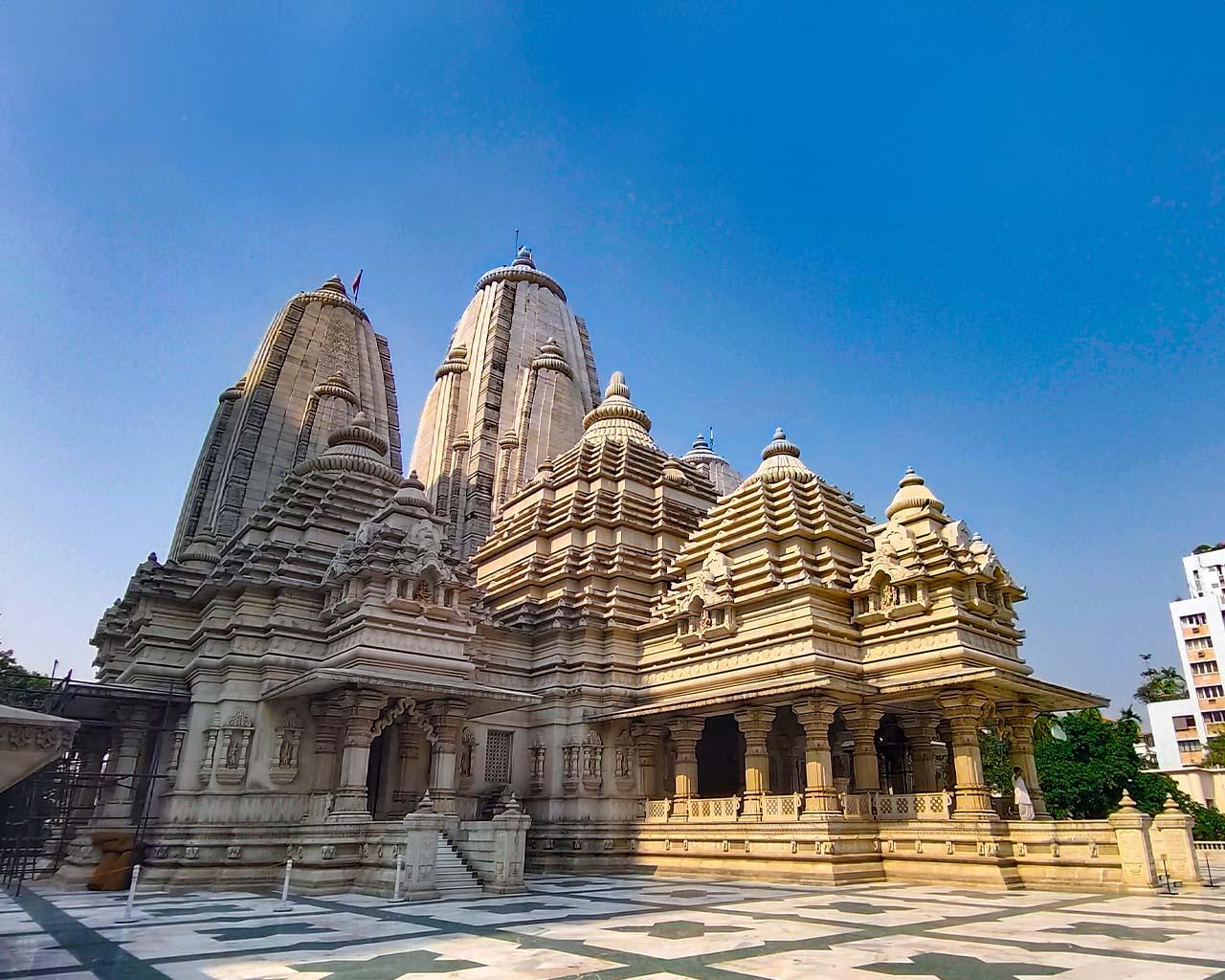
Birla Temple: Birla Temple in Kolkata, also known as the Lakshmi Narayan Temple, is a renowned Hindu temple dedicated to Lord Krishna and Goddess Radha. Built by the Birla family, the temple showcases beautiful white marble architecture inspired by traditional Indian temple styles. Intricate carvings, sculptures, and engraved verses from the Bhagavad Gita add to its spiritual charm. Located on Ashutosh Chowdhury Avenue, the temple attracts devotees and tourists throughout the year. The calm atmosphere, evening aarti, and illuminated structure create a peaceful experience, making Birla Temple one of Kolkata's most admired religious and architectural landmarks.
 Birla Temple, Kolkatatourism
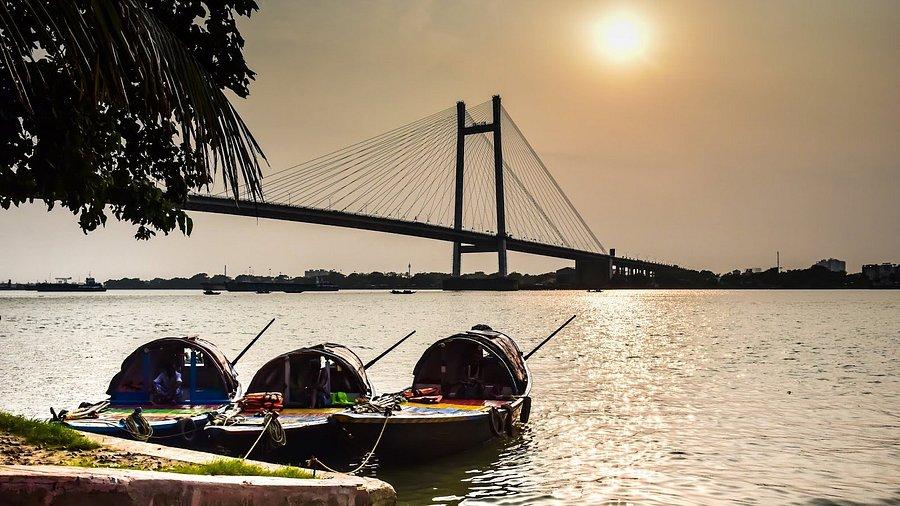
Princep Ghat: Princep Ghat is a historic riverside landmark located along the banks of the Hooghly River in Kolkata, West Bengal. Built during the British era, it is known for its grand Greek-style monument with tall pillars that add to its architectural charm. Princep Ghat is a popular spot for morning walks, evening leisure, and riverfront relaxation. Visitors enjoy scenic views of the Vidyasagar Setu, especially at sunset and night. The ghat is also a favored destination for boat rides, photography, and cultural gatherings, making it a peaceful yet lively public space in the city.
 Princep Ghat, Tripadvisor
Infrastructure Development and Upgrades National Highway 12
- Road Widening and Capacity Expansion: One of the major infrastructure upgrades on National Highway 12 has been systematic road widening to handle increasing traffic volumes. Several stretches have been expanded from two lanes to wider carriageways, especially near towns and high-traffic zones. This has improved vehicle flow and reduced congestion during peak hours. Wider roads have also enhanced safety by providing better lane discipline and overtaking space. These upgrades are crucial for supporting long-distance freight and passenger movement along the corridor.
- Improvement of Bridges and Culverts: NH 12 passes through multiple riverine and low-lying regions, making bridges and culverts critical infrastructure components. Older bridges have been strengthened or reconstructed to support heavier vehicles and higher load capacities. New culverts and drainage channels have been added to prevent waterlogging during monsoon seasons. These improvements ensure uninterrupted connectivity even during heavy rainfall. Strengthened structures also improve the overall durability of the highway.
- Enhanced Road Safety Measures: Safety upgrades form a key part of NH 12's development plan. Proper road markings, reflective signboards, speed-calming measures, and median dividers have been installed across several stretches. Pedestrian crossings and service roads near populated areas have improved safety for local residents. Better street lighting in urban and semi-urban sections enhances night-time visibility. These measures have collectively reduced accident risks and improved driving comfort.
- Drainage, Surface Quality, and Maintenance: Improved drainage systems have been developed to address flooding and road damage during monsoons. High-quality pavement materials and resurfacing work have increased road durability and reduced maintenance frequency. Regular monitoring and repair programs help maintain consistent surface quality. These upgrades result in smoother rides and lower vehicle operating costs. Proper maintenance also extends the lifespan of the highway.
- Future-Oriented Infrastructure: Enhancements Ongoing and planned upgrades include bypass roads around congested towns, better integration with feeder roads, and modern traffic management systems. These developments aim to reduce travel time and enhance logistics efficiency. With continued investment, NH 12 is evolving into a safer, more reliable, and future-ready transport corridor connecting Dalkhola to Bakkhali in West Bengal.
Conclusion
National Highway 12, stretching from Dalkhola to Bakkhali in West Bengal, serves as a crucial transport link, enhancing connectivity across the region. This roadway facilitates the movement of goods and people, contributing to local economies and tourism. Its strategic importance is underscored by the improved access it provides to various districts, promoting regional development. The highway, which traverses diverse landscapes, also plays a vital role in ensuring safer and more efficient travel. Ongoing infrastructure improvements aim to enhance road safety and capacity, underscoring the government's commitment to supporting economic growth in West Bengal's northeastern corridor.

explore further
Latest from Editorials
More from Publications
Resources


