




Table of Contents
- Introduction
- Route Description Munaba to Beawar
- Road Conditions
- Famous Places Around National Highway 25
- Conclusion
- Faq's
Introduction
National Highway 25 stretching from Munabao to Beawar in Rajasthan is a crucial transportation artery in the region. This highway plays a significant role in connecting various towns and cities, facilitating the movement of goods and people across the state. The route traverses diverse landscapes, from arid regions near Munabao to more populated areas closer to Beawar, making it a vital link for economic and social activities. Its maintenance and development are essential for ensuring efficient transportation and supporting the growth of the communities it serves. The significance of NH25 extends beyond just connectivity.
It serves as a lifeline for trade, commerce, and tourism within the region. Efficient transportation along this highway reduces travel time and costs, benefiting businesses and travelers alike. Improvements to the road infrastructure, such as widening and better road surfaces, can further enhance its impact, leading to increased economic opportunities and improved accessibility for rural communities along the route.
Route Description Munaba to Beawar
National Highway 25 stretches from Munabao, a border town in Rajasthan, to Beawar, a city in the Ajmer district of Rajasthan. This highway serves as a vital artery for transportation, connecting remote areas with major economic hubs within the state. Along its route, NH 25 traverses diverse landscapes, from the arid regions near the border to the more populated areas closer to Beawar. This highway facilitates the movement of goods, people, and essential supplies, contributing significantly to the socio-economic development of the regions it connects.
Traveling along NH 25 provides a glimpse into the heartland of Rajasthan. While not always the most modern or well-maintained highway, it offers a direct route through the state's interior. The condition of the road can vary, but improvements have been ongoing. Be prepared for stretches of desert scenery, small towns, and the occasional wildlife encounter. NH 25 is not just a road; it's a lifeline for the communities it serves and a passage through the diverse and captivating landscape of Rajasthan.
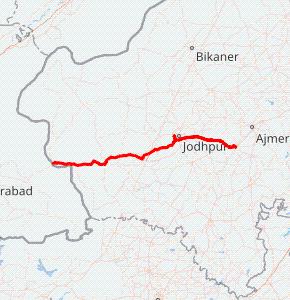 NH 2, Wikipedia
Road Conditions
National Highway 25, which runs from Munaba to Beawar in the Indian state of Rajasthan, is a vital transportation artery that facilitates connectivity between key towns and regions. This highway spans approximately 115 kilometers, traversing diverse landscapes that include arid stretches, agricultural fields, and small settlements. The route serves as a crucial link for local commerce and trade, enabling the movement of goods and services between rural areas and urban centers. Travelers often encounter picturesque views of the Rajasthani desert, with its distinctive flora and fauna, making this journey not just functional but also visually appealing.
As it approaches Beawar, the highway enhances access to important infrastructure and services, including markets, educational institutions, and healthcare facilities. Beawar itself is known for its rich history and cultural heritage, transitioning from a traditional town to a bustling hub of economic activities. The highway's maintenance and development are essential for promoting regional growth, supporting tourism, and improving the overall quality of life for residents along the route. Regular traffic, including commercial vehicles and local transport, underscores the highway's importance in fostering connectivity and driving economic development in the region.
Famous Places Around National Highway 25
Jodhpur: Jodhpur, the second-largest city in the Indian state of Rajasthan, is renowned for its majestic forts, vibrant culture, and historic significance. Often called the "Blue City" due to the indigo-painted houses that permeate its old quarter, Jodhpur is dominated by the imposing Mehrangarh Fort, which offers panoramic views and a glimpse into the region's regal past. The city is also known for its bustling markets, where traditional handicrafts, textiles, and spices are abundant. Key attractions include the Umaid Bhawan Palace, which now serves as a luxury hotel and museum, and the beautiful Jaswant Thada, a memorial built in honor of Maharaja Jaswant Singh II. Rich in heritage, Jodhpur is a fusion of history, architecture, and vibrant local life, making it a popular destination for tourists. Its cuisine, featuring dishes like dal baati churma, adds to the sensory experience, while cultural festivals and events showcase the local traditions and art forms. Jodhpur's strategic location makes it a gateway to the Thar Desert, and its warm, welcoming locals embody the spirit of Rajasthan.
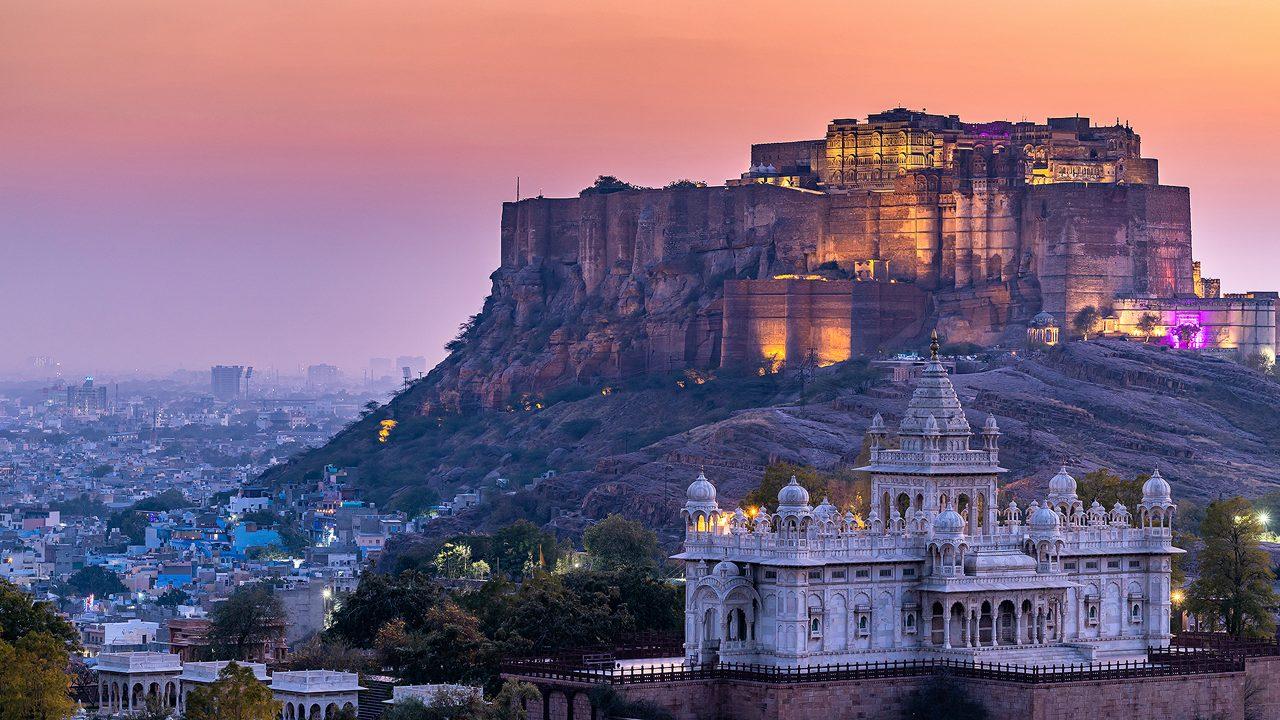 Incredibleindia, Jodhpur
Ajmer: Ajmer, located in the heart of Rajasthan, is a city known for its rich history, spiritual heritage, and cultural diversity. It is most famous for the Ajmer Sharif Dargah, the sacred shrine of Sufi saint Khwaja Moinuddin Chishti, which attracts millions of devotees every year from across the world. Nestled amidst the Aravalli hills, Ajmer also offers scenic beauty and a calm environment. The city is close to Pushkar, another popular pilgrimage and tourist spot. With its blend of Mughal architecture, vibrant bazaars, and educational institutions, Ajmer stands as a unique destination that reflects tradition and modernity together.
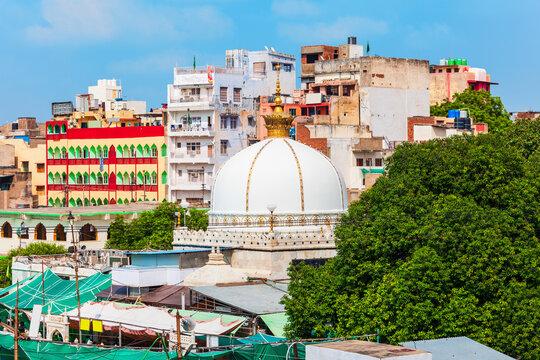 Adobe, Ajmer
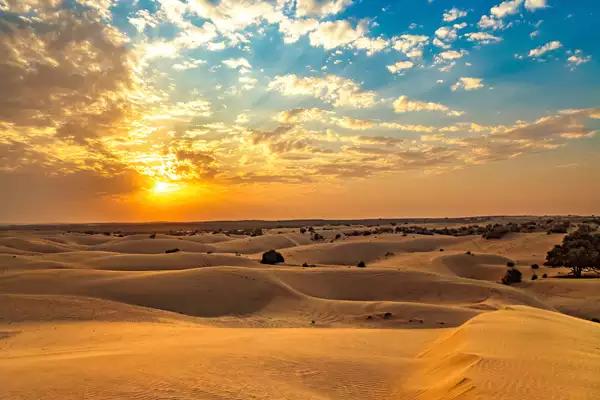
Barmer: Barmer, situated in the western part of Rajasthan, is a beautiful desert district known for its vibrant culture, handicrafts, and traditional lifestyle. It lies in the Thar Desert and is famous for its colorful festivals, folk music, and dance that showcase the spirit of Rajasthan. Barmer is renowned for its intricate wood carving, pottery, carpets, and embroidery, making it a hub of traditional crafts. The region also boasts historical attractions like Barmer Fort and Kiradu temples, reflecting its rich heritage. Despite the harsh desert climate, Barmer charms visitors with its warm hospitality, desert landscapes, and deep-rooted cultural traditions.
Conclusion
National Highway 25 plays a significant role in India's road network by connecting important regions, boosting trade, and improving connectivity across states. Stretching through Rajasthan and Uttar Pradesh, this highway links key cities, towns, and rural areas, making transportation of goods and passengers faster and more efficient. It has not only reduced travel time but also created opportunities for economic activities, industrial growth, and tourism. The improved connectivity has helped farmers, traders, and transporters by providing easy access to markets and essential services, thus supporting the local economy in multiple ways. Moreover, NH 25 contributes to regional development by linking cultural, historical, and religious destinations, thereby attracting tourists and enhancing local businesses. The highway also strengthens national integration by bridging urban and rural regions, ensuring smoother movement across state borders. With ongoing infrastructure upgrades, better road safety measures, and expansion projects, NH 25 is expected to further improve efficiency and comfort for travelers. Overall, it stands as a lifeline for trade, travel, and tourism in northern India, fostering both economic progress and social development while serving as a vital link in India's expanding highway network.

explore further
Latest from Editorials
More from Publications
Resources


