





Table of Contents
- Introduction to National Highway 29
- Route Overview and Key Locations
- The Significance of NH 29 A Lifeline for the Northeast
- Famous Places Around National Highway 29
- Infrastructure Development and Upgrades
- Conclusion
- Faq's
Introduction to National Highway 29
National Highway 29, a relatively new addition to India's national highway network, plays a vital role in connecting the states of Haryana and Uttarakhand. While technically a spur of National Highway 9 (formerly NH-24), it's significant enough to warrant its own designation due to the critical connectivity it provides between the northern plains and the Himalayan foothills. This highway stretches across a distance that facilitates the movement of goods and people, boosting regional economies and contributing to improved infrastructure development in both states. It also offers a shorter and more direct route compared to some existing alternatives, particularly for traffic originating from western Haryana and heading towards destinations in western Uttarakhand, like Dehradun and Haridwar.
The primary benefit of National Highway 29 is the improved accessibility it provides to the areas it traverses. By offering a smoother and more efficient route, it directly impacts trade, tourism, and overall connectivity. This is particularly important for Uttarakhand, a state heavily reliant on tourism. Improved road infrastructure translates to easier access for tourists, potentially leading to economic growth in the region. Furthermore, NH-29 facilitates the transportation of agricultural produce from Haryana to Uttarakhand and vice versa, enabling better market access for farmers and contributing to the agricultural economy of both states. Its strategic importance will likely grow as infrastructure development continues along its corridor, further solidifying its role in regional connectivity.
 Nh 29, Wikipedia
Route Overview and Key Locations
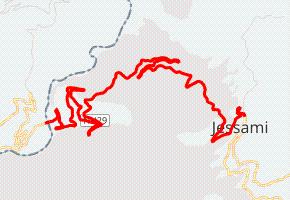
National Highway 29 is a crucial roadway connecting the state of Haryana to Uttarakhand, facilitating both economic activities and tourism in the region. Starting from the town of Karnal in Haryana, NH 29 traverses through several key locations, including Shahbad Markanda, where travelers may find a mix of urban and rural landscapes. As the highway progresses, it passes through notable towns such as Ambala and joins other significant roads, enhancing connectivity to nearby cities. This highway is particularly important for agricultural transport, linking Haryana's rich agricultural regions with markets and consumers in Uttarakhand. Entering Uttarakhand, NH 29 continues to play a vital role, particularly as it leads towards the foothills of the Himalayas.
The road branches into various scenic routes, making it an essential corridor for tourists heading to hill stations such as Nainital and Mussoorie. The highway also serves as a gateway to several religious and cultural sites, attracting pilgrims and visitors alike. The well-maintained stretches of NH 29 ensure a smooth travel experience while providing access to picturesque landscapes, dense forests, and vibrant local cultures. Additionally, ongoing infrastructure improvements aim to enhance safety and reduce travel time, further solidifying NH 29's status as a critical route in northern India.
 Nh 29, Wikipedia
The Significance of NH 29 A Lifeline for the Northeast
NH-29's importance extends far beyond simply connecting two states. It acts as a crucial lifeline for the entire Northeast region, facilitating the movement of goods, people, and ideas. The highway plays a pivotal role in:
- Economic Growth: NH-29 enables the transportation of agricultural produce, manufactured goods, and raw materials between Assam and Manipur, boosting economic activity in both states. It also facilitates trade with neighboring countries like Myanmar through Manipur.
- Connectivity and Accessibility: The highway significantly improves connectivity for remote communities in both states, allowing access to essential services like healthcare, education, and markets.
- Tourism Promotion: NH-29 opens up the scenic beauty and cultural richness of Assam and Manipur to tourists, contributing to the growth of the tourism sector. The highway passes through areas of immense natural beauty, attracting travelers seeking unique experiences.
- National Integration: By fostering greater interaction and exchange between people from different states, NH-29 plays a vital role in promoting national integration and strengthening the bonds between communities.
- Strategic Importance: Given its location in a strategically sensitive region bordering Myanmar, NH-29 holds significant strategic importance for national security. The highway facilitates the movement of security forces and supplies, ensuring the security and stability of the region.
Famous Places Around National Highway 29
Sri Kancha Kanti Devi Mandir: Sri Kancha Kanti Devi Mandir, located in Guwahati, Assam, is a revered Hindu temple dedicated to Goddess Kancha Kanti, an incarnation of Goddess Durga. The temple stands on the Nilachal Hills, sharing the same range as the famous Kamakhya Temple, but offering a more serene and less crowded atmosphere. It's believed that the deity was originally worshipped by the Koch dynasty, who ruled the region in the past. The temple architecture is relatively simple, reflecting traditional Assamese style, with a distinct dome-shaped roof. Pilgrims visit the temple to seek blessings for prosperity, well-being, and fulfillment of desires. The annual Durga Puja festival is celebrated with great fervor, attracting devotees from across the region. The temple's location atop the hill offers scenic views of the surrounding landscape, adding to its spiritual and tranquil ambiance, making it a peaceful destination for prayer and contemplation.

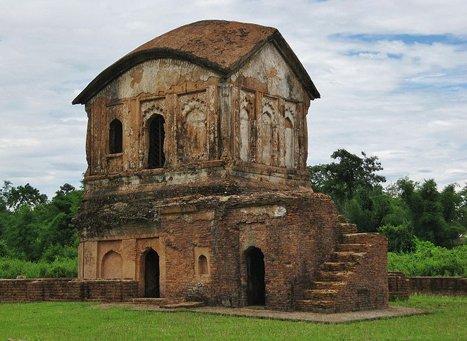
Kachari Fort: Kachari Fort, located near the town of Dimapur in Nagaland, India, is a significant historical site known for its intricate ruins that reflect the architectural prowess of the Kachari ethnicity, an ancient community in the region. Believed to be constructed between the 10th and 12th centuries, the fort served as a royal seat and a defensive structure for the Kachari kings. The fort's remnants include impressive stone pillars, gateways, and carvings that showcase the craftsmanship of the era. Despite the ravages of time and neglect, the site remains a testament to the Kachari dynasty's cultural heritage and serves as an important archaeological site for researchers and historians. The area is also characterized by its lush greenery, adding to its picturesque setting, making it a popular spot for tourists and history enthusiasts. Moreover, the fort is not only a symbol of the Kachari legacy but also reflects the larger historical context of Northeast India, where various indigenous tribes and kingdoms thrived. Today, Kachari Fort stands as a valuable reminder of the region's rich past, inviting exploration and appreciation of its unique history.
 Kachari Fort, Tour My India
Kohima Cathedral Church: Kohima Cathedral Church, also known as the Cathedral Church of St. Joseph, is a prominent and significant religious structure located in Kohima, the capital of Nagaland, India. Consecrated in 2007, it serves as the cathedral for the Diocese of Kohima and stands as a symbol of the Christian faith in a region predominantly home to various indigenous tribes. Designed in a contemporary architectural style, the cathedral features a striking façade that blends modern aesthetics with traditional elements, including intricate woodwork and local motifs. The church is set against the backdrop of picturesque hills, providing a serene atmosphere for worship and reflection. It plays a vital role in the spiritual life of the local community, hosting regular services, special events, and ceremonies, including marriages and baptisms. The cathedral also serves as a hub for educational and social activities within the Diocese, promoting unity and fellowship among diverse ethnic groups in Nagaland. Additionally, it stands as a testament to the strength of Christianity in the region, with vibrant community engagement and outreach programs aimed at addressing social issues and fostering development. Overall, Kohima Cathedral Church is not only a place of worship but also a symbol of hope and resilience for the people of Nagaland.
 Kohima Cathedral Church, Incredibleindia
Infrastructure Development and Upgrades
Road Widening and Strengthening: Infrastructure development on National Highway 29 has focused on widening narrow stretches to improve traffic flow and safety. Several sections have been upgraded from single-lane to double-lane roads, allowing smoother movement of passenger and commercial vehicles. Strengthening of pavement layers has been carried out to handle heavy loads and increased traffic volume. These improvements reduce travel time and enhance overall driving comfort.
Bridge Construction and Improvement: New bridges and culverts have been constructed along NH 29 to replace old and weak structures. Existing bridges have been reinforced to ensure durability during heavy rainfall and floods. These upgrades help maintain uninterrupted connectivity, especially in hilly and river-crossing sections. Improved bridges also support safer movement of heavy vehicles and emergency services.
Slope Protection and Landslide Management: Given the hilly terrain between Assam and Manipur, slope stabilization is a major focus area. Retaining walls, rock bolting, and proper drainage systems have been installed to control landslides. Bio-engineering methods such as plantation are also used to reduce soil erosion. These measures help minimize road blockages during monsoon seasons.
Safety Features and Road Amenities: NH 29 upgrades include installation of guardrails, reflective signboards, and road markings for better visibility. Accident-prone zones are being redesigned with improved curves and warning systems. Basic amenities such as lay-bys and emergency signage enhance driver convenience. These features significantly improve road safety for all users.
Future-Oriented Development Plans: Future infrastructure plans aim to make NH 29 an all-weather, reliable highway. Advanced construction technology, regular maintenance, and better traffic management are proposed. Integration with regional transport corridors will further enhance connectivity. These upgrades will strengthen NH 29 as a vital lifeline between Assam and Manipur.
Conclusion
National Highway 29 is a crucial arterial road that connects Assam and Manipur, enhancing accessibility and economic development in the northeastern region of India. Spanning approximately 339 kilometers, it serves as a vital link for trade, transportation, and mobility between these two states. The highway traverses diverse landscapes, including hilly terrains and lush valleys, which are characteristic of the region's topography. As a strategic route, NH29 significantly contributes to the movement of goods and people, facilitating the transport of agricultural products, local handicrafts, and essential commodities. Moreover, its importance is heightened by its role in promoting tourism in the picturesque northeastern areas, attracting visitors to the rich cultural heritage and natural beauty. However, the highway also faces challenges such as maintenance issues, landslides during monsoon seasons, and increasing traffic congestion, necessitating ongoing infrastructural improvements and safety measures. Enhancements in NH29 can lead to better connectivity, economic opportunities, and overall development, making it a vital lifeline for the communities it serves. Thus, ensuring the efficient functioning of National Highway 29 is paramount for fostering growth and stability in Assam and Manipur, while also contributing to the integration of the northeastern states with the rest of India.

explore further
Latest from Editorials
More from Publications
Resources


