





Table of Contents
- Introduction to National Highway 30
- Route and Key Destinations
- Road Conditions and Travel Tips
- Famous Places Around National Highway 30
- Types of Vehicles Allowed on National Highway 30
- Conclusion
- Faq's
Introduction to National Highway 30
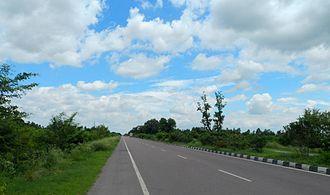
National Highway 30 (NH 30) is a significant artery in India's national highway network, traversing a vast expanse of the country from Uttarakhand in the north to Andhra Pradesh in the south. Spanning approximately 2040 kilometers (1267 miles), this highway plays a crucial role in connecting diverse regions and facilitating transportation of goods and people across multiple states. Its route winds through various terrains, cultures, and economic zones, making it a vital link for regional development and national integration.
NH 30 begins near Sitarganj in Uttarakhand, winding its way down through Uttar Pradesh, Madhya Pradesh, Chhattisgarh, Maharashtra, and ultimately culminating in Andhra Pradesh. This highway not only connects major cities and towns within these states but also serves as a conduit for inter-state trade and commerce. The route's strategic importance is amplified by its connection to other national and state highways, contributing to a broader network that supports India's economic growth and connectivity initiatives. Maintaining and upgrading NH 30 is therefore essential for improved infrastructure and efficient transportation across this vital stretch of the country.
 Wikipedia, NH 30
Route and Key Destinations
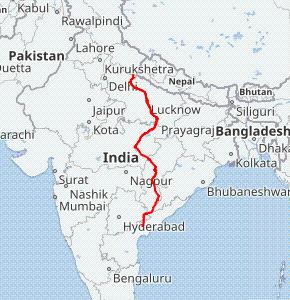
National Highway 30 carves its way through a stunning array of landscapes, traversing through diverse terrain ranging from the lush green hills to the golden flatlands. The route commences in Sitarganj, Uttarakhand, winding its way through Uttar Pradesh, and entering Madhya Pradesh at the city of Rewa. From there, it meanders through the undulating landscapes of Chhattisgarh, entering Telangana at Mancherial, and eventually culminating in Ibrahimpatnam, Andhra Pradesh. The highway offers a unique travel experience, passing through bustling cities, serene towns, and verdant countryside.
- Uttarakhand: The journey commences in Sitarganj, a town in the Kumaon region. Known for its fertile agricultural lands and proximity to wildlife sanctuaries, Sitarganj marks the starting point of this epic highway.
- Uttar Pradesh: While the NH-30's stint in Uttar Pradesh is brief, it links to important regional routes and connects smaller towns.
- Madhya Pradesh: Rewa is a significant city in Madhya Pradesh along NH-30. Known for its rich history and association with the white tiger, Rewa also serves as a junction to other important towns and districts.
- Chhattisgarh: This state forms the heart of the NH-30 journey. The highway passes through major cities like Raipur, the capital city known for its industrial importance and cultural heritage, and Dhamtari, a district known for its scenic beauty and agricultural produce. Jagdalpur, situated in the Bastar region, is known for its tribal culture, waterfalls, and dense forests.
- Telangana: Mancherial serves as the entry point to Telangana. This town is growing in importance due to its industrial activities and proximity to coal mines. Andhra Pradesh: NH-30 culminates in Ibrahimpatnam, a town near Vijayawada. Ibrahimpatnam acts as a gateway to the bustling city of Vijayawada and the rich cultural heritage of Andhra Pradesh.
 Wikipedia, NH 30
Road Conditions and Travel Tips
Road Conditions :
The condition of NH-30 can vary along its length. Generally, the highway is well-maintained in the states of Uttarakhand, Uttar Pradesh, and Madhya Pradesh. However, certain sections in Chhattisgarh and Telangana may experience occasional potholes or uneven surfaces, especially after the monsoon season. It is advisable to check for recent updates on road conditions before embarking on your journey.
Essential Travel Tips:
- Vehicle Preparation: Ensure that your vehicle is in good condition before setting out on a long journey. Get your car serviced, check the tires, and carry essential tools and spare parts.
- Navigation: Use a reliable GPS navigation system or a map to plan your route and stay on track.
- Fuel: Fill up your fuel tank whenever you come across a petrol pump, especially in remote areas. Accommodation: Plan your overnight stays in advance, especially during peak season. Book hotels or guesthouses in major cities along the route.
- Food and Water: Carry sufficient water and snacks for the journey. You'll find restaurants and food stalls along the highway, but it's always good to be prepared.
- Safety: Drive cautiously, especially at night. Be aware of local traffic conditions and follow traffic rules. Avoid driving under the influence of alcohol.
- Documents: Carry all necessary documents, including your driver's license, vehicle registration, insurance papers, and identification proof.
- Emergency Contacts: Keep a list of emergency contact numbers, including police, ambulance, and roadside assistance. Respect Local Culture: Be respectful of local customs and traditions. Dress modestly when visiting religious sites.
Famous Places Around National Highway 30
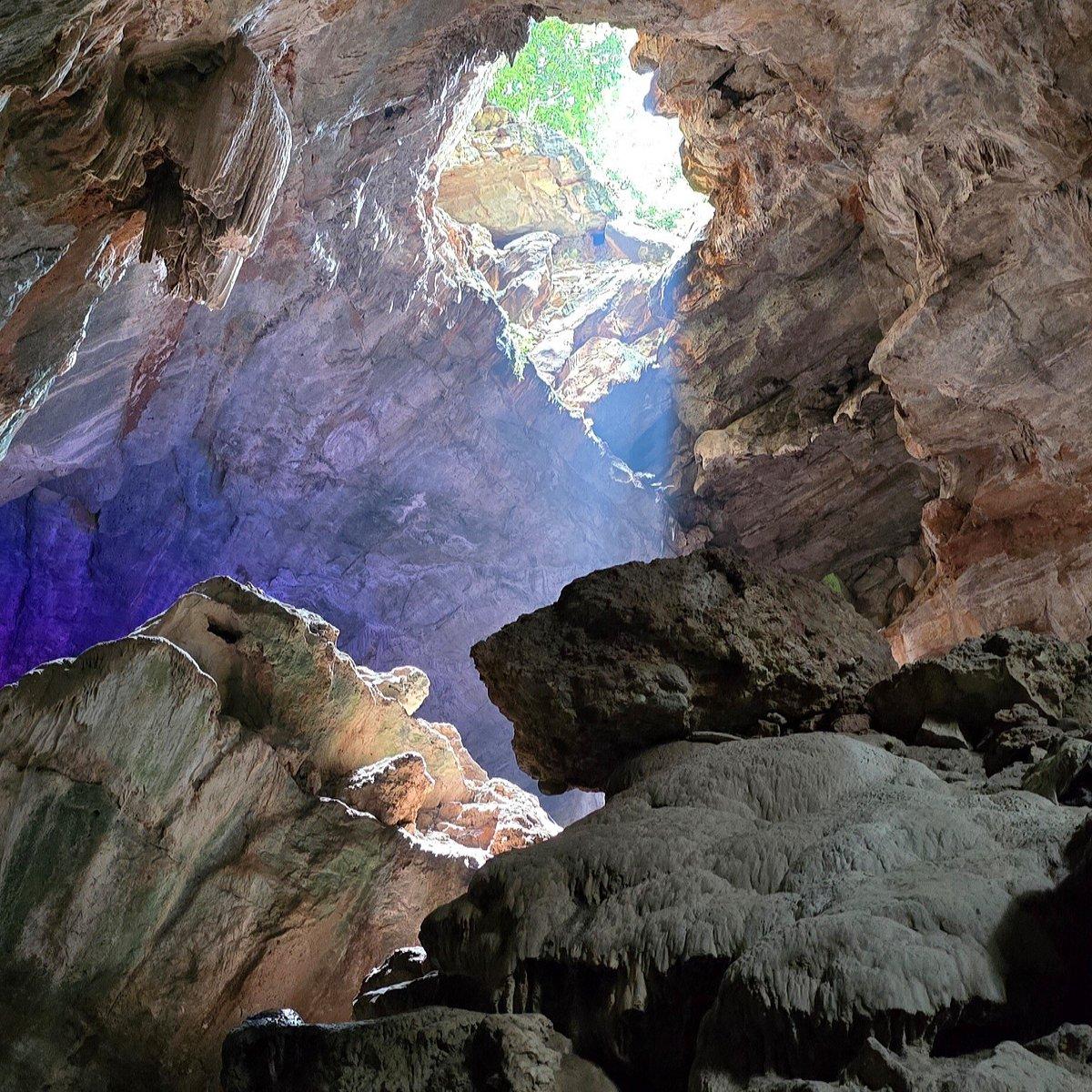
Borra Caves: Borra Caves, located in the Ananthagiri Hills of Andhra Pradesh, India, are a spectacular network of limestone caverns known for their stunning stalactite and stalagmite formations. Discovered in 1807 by British geologist William King, these caves are estimated to be over a million years old. They hold significant cultural and historical importance, with evidence of prehistoric habitation and rock art. The main cave features a large linga, revered by local devotees. Surrounded by lush greenery and scenic landscapes, Borra Caves attract tourists and adventurers seeking natural beauty and spiritual experiences, making them a popular geological and archaeological site.
 Tripadvisor , Borra Caves
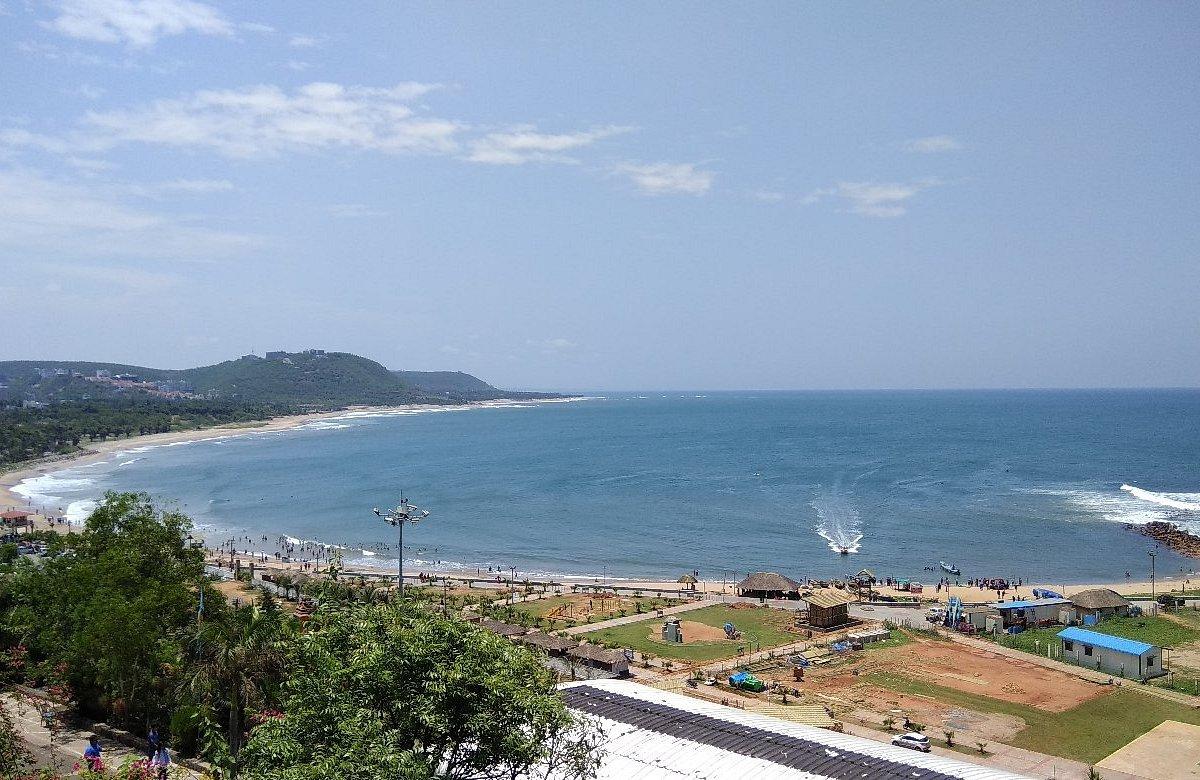
Rishikonda Beach: Rishikonda Beach, located near Visakhapatnam in Andhra Pradesh, India, is a picturesque destination known for its golden sands and tranquil waters. Nestled between lush green hills and the Bay of Bengal, the beach offers a serene escape for locals and tourists alike. Popular for activities like swimming, sunbathing, and beach sports, Rishikonda also features water sports such as jet skiing and parasailing. The beach is framed by picturesque landscapes, making it a popular spot for photography and relaxation. Nearby, visitors can explore local eateries offering delicious seafood and regional cuisine, enhancing the overall experience of this coastal gem.
 Tripadvisor, Rishikonda Beach
Golconda Fort: Golconda Fort, a majestic citadel near Hyderabad, India, stands as a testament to the region's rich history and architectural prowess. Originally built by the Kakatiya dynasty, it later flourished under the Qutb Shahi rulers, becoming a center for diamond trade and culture. Its imposing walls, intricate gates, and ingenious water management system speak volumes of its strategic importance and engineering brilliance. Climbing to the top offers panoramic views of the surrounding landscape, while exploring its royal palaces, mosques, and temples provides a glimpse into the opulent lives of its former inhabitants. Golconda Fort remains a popular tourist destination and a significant historical landmark.
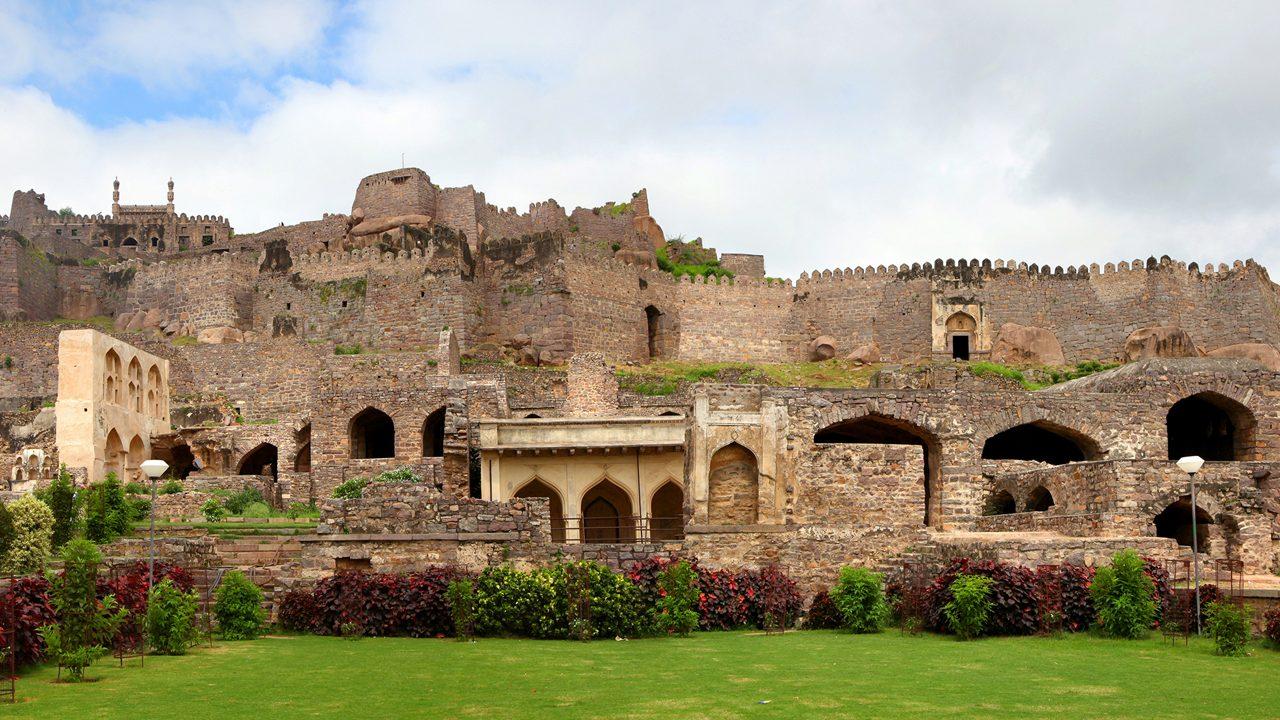 Incredibleindia, Golconda Fort
Types of Vehicles Allowed on National Highway 30
National Highway 30 (NH 30) is a major national highway in India that connects Sitarganj in Uttarakhand to Ibrahimpatnam in Andhra Pradesh. As a vital artery of transportation, it generally allows a wide variety of vehicles to traverse its length, facilitating movement of people and goods across several states. However, specific regulations and restrictions might apply based on local conditions, construction activities, or environmental concerns. Here's a general overview of vehicle types typically permitted on NH 30:
- Cars, SUVs, and Other Light Motor Vehicles (LMVs): These are the most common vehicles seen on NH 30. Private cars, taxis, and utility vehicles are freely allowed, provided they adhere to traffic rules and speed limits.
- Buses: Both state-run and private buses are permitted to operate on NH 30. These buses provide essential public transportation services, connecting various towns and cities along the highway.
- Trucks and Goods Carriers: A significant portion of traffic on NH 30 consists of trucks transporting goods, agricultural produce, and industrial materials. These vehicles are crucial for maintaining supply chains and supporting economic activity. Weight restrictions and specific regulations for hazardous materials transport may apply.
- Two-Wheelers: Motorcycles and scooters are generally allowed on NH 30, but riders must adhere to safety regulations, including wearing helmets. Certain stretches might have restrictions based on local traffic conditions or safety concerns.
- Agricultural Vehicles: Tractors and other agricultural vehicles are usually permitted, especially in rural sections of the highway. However, their movement might be restricted during peak hours or in congested areas to avoid traffic congestion.
It is essential to be aware of the potential for temporary restrictions or diversions due to road maintenance, construction, or unforeseen events like natural disasters. Checking local traffic advisories and news updates before embarking on a journey is always recommended.
Conclusion
National Highway 30 (NH 30) is a significant artery connecting Uttarakhand to Andhra Pradesh, facilitating efficient transportation and trade across states. Stretching over diverse terrains, it plays a crucial role in linking various regions, enhancing economic connectivity and ensuring the movement of goods and passengers. The highway's strategic importance is evident as it passes through multiple urban centers and rural districts, offering access to vital resources and services. Its construction and maintenance contribute to regional development, stimulating growth in peripheral areas by improving access to markets and employment opportunities. Moreover, NH 30 exemplifies the Indian government's commitment to improving infrastructure, which is vital for national integration. With ongoing upgrades, the highway is expected to accommodate increasing vehicular traffic while ensuring safety and efficiency. Enhanced connectivity not only fosters tourism by providing access to scenic locations but also promotes cultural exchange among diverse populations. As efforts continue to bolster this highway, its impact on socio-economic dynamics will be integral to the development strategies of both Uttarakhand and Andhra Pradesh, ultimately paving the way for a more connected and prosperous future.

explore further
Latest from Editorials
More from Publications
Resources


