





Table of Contents
- Introduction to National Highway 39
- Route Overview National Highway 39
- Road Conditions and Infrastructure of National Highway 39
- Famous Places Around National Highway 39
- Toll Rates on National Highway 39
- Conclusion
- Faq's
Introduction to National Highway 39
National Highway 39 is one of India's significant roadways that plays a crucial role in connecting the northern and eastern regions of the country. Stretching across the states of Uttar Pradesh, Bihar, and Jharkhand, this highway serves as a vital transport corridor linking various towns, industrial areas, and rural settlements. NH 39 begins in Jhansi, Uttar Pradesh, and extends through important cities such as Khajuraho, Panna, Daltonganj, and Garhwa, before terminating in Ranchi, the capital of Jharkhand. The highway not only facilitates smooth interstate connectivity but also boosts trade, tourism, and socio-economic development by linking agricultural regions and industrial belts. Apart from its economic importance, National Highway 39 holds strategic value due to its geographical coverage across diverse terrains and cultural zones.
It connects heritage sites like Khajuraho in Madhya Pradesh's border region and several tribal areas in Jharkhand, promoting regional tourism and cultural exchange. The route is also vital for the movement of minerals, agricultural goods, and forest produce from the mineral-rich and agrarian regions of central India. The Indian government has undertaken several upgradation projects to improve the quality of NH 39 under the Bharatmala Pariyojana, aiming to enhance road safety, reduce travel time, and encourage regional growth. Overall, NH 39 stands as a lifeline for central and eastern India, symbolizing progress, connectivity, and development across multiple states.
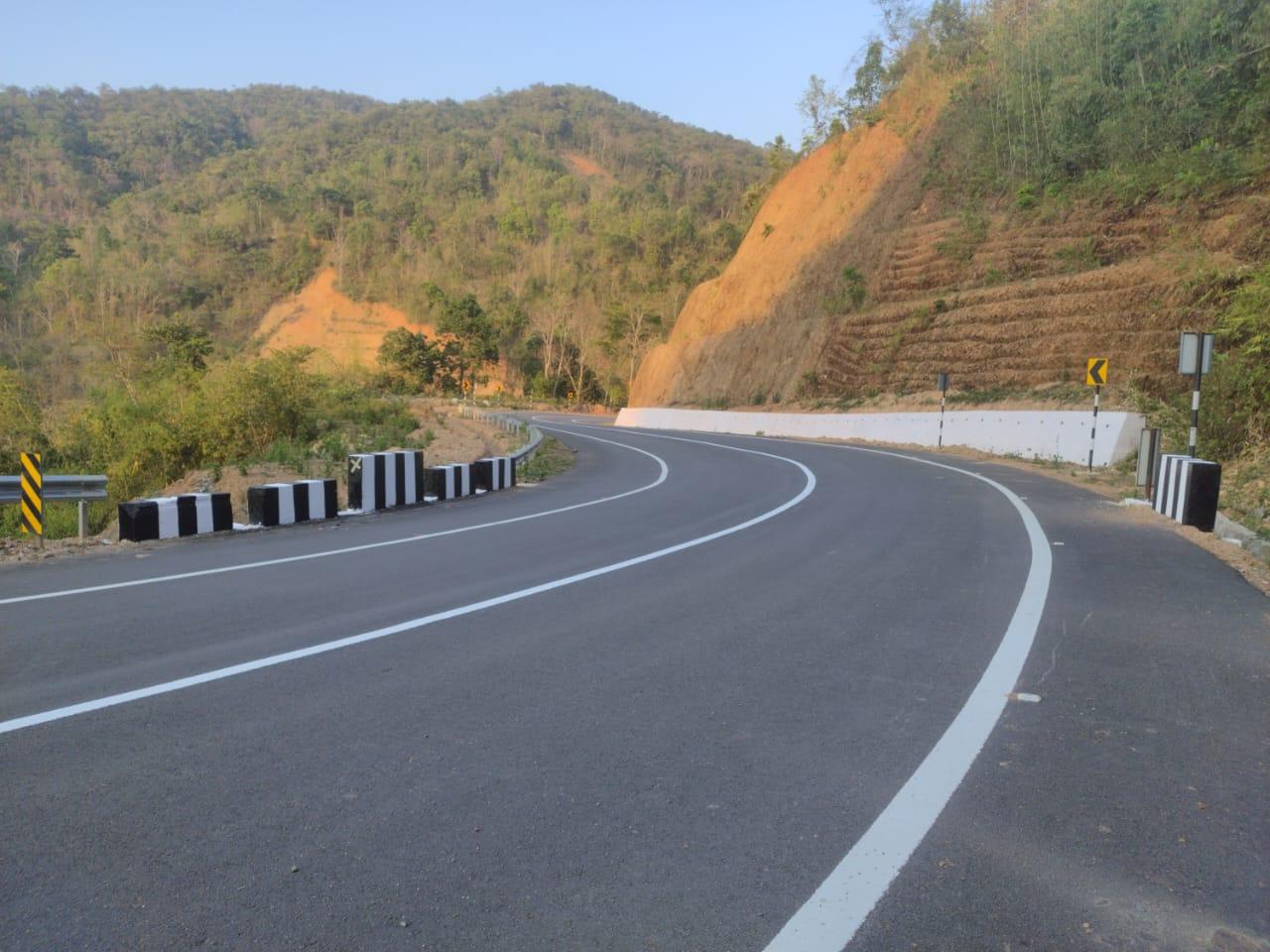 NH 39, Nhidcl
Route Overview National Highway 39
National Highway 39 is a vital roadway in India that connects the northern state of Uttar Pradesh to the eastern state of Jharkhand, passing through Bihar. The highway serves as a crucial link between several major cities and towns, promoting trade, travel, and regional development. Starting from Jhansi in Uttar Pradesh, NH 39 moves through Chitrakoot, Rewa, and Sidhi in Madhya Pradesh, entering Jharkhand near Daltonganj, and eventually connecting to Ranchi, the state capital. The total length of the highway is approximately 870 kilometers, and it forms a major segment of India's transportation corridor, facilitating smooth movement of goods and people across central and eastern India. The route of NH 39 passes through diverse terrains from the fertile plains of Uttar Pradesh to the hilly and forested regions of Jharkhand.
Along its stretch, the highway connects numerous industrial towns, mining zones, and agricultural belts, supporting economic growth and regional connectivity. It also links to other important national highways, enhancing access to neighboring states and boosting logistics efficiency. The scenic landscapes along parts of the route, especially in Madhya Pradesh and Jharkhand, make it an appealing drive for travelers. Furthermore, ongoing infrastructure projects and highway expansions under the National Highways Authority of India (NHAI) are improving road quality, safety, and traffic management, positioning NH 39 as a key arterial route that strengthens India's internal connectivity and supports sustainable regional development.
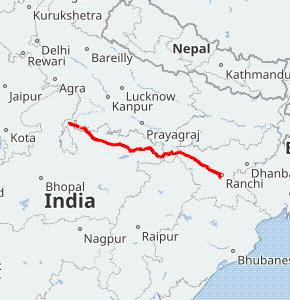 NH 39, Wikipedia
Road Conditions and Infrastructure of National Highway 39
National Highway 39 is one of India's most significant highways, connecting Jhansi in Uttar Pradesh to Dimapur in Nagaland, passing through Jharkhand, Bihar, and Manipur. The highway plays a vital role in promoting trade and mobility in the northeastern and central parts of the country. Over the years, NH 39 has seen substantial improvements in its road conditions, with many stretches upgraded to four-lane or two-lane standards under the National Highways Development Project (NHDP). The Uttar Pradesh and Jharkhand sections, in particular, have smoother surfaces, better lane markings, and modern safety infrastructure, enhancing driving comfort and reducing travel time.
However, some parts of NH 39, especially in the hilly terrains of Manipur and Nagaland, continue to face challenges such as landslides, uneven road surfaces, and poor drainage systems during the monsoon. The narrow stretches and ongoing construction work occasionally disrupt traffic flow, leading to delays and vehicle damage. The central government and the Border Roads Organisation (BRO) have taken initiatives to maintain and improve these sections by strengthening slopes, widening the roads, and constructing bypasses to ease congestion. Additionally, the installation of reflective signage, proper lighting, and emergency aid points has made long-distance travel on this highway safer, especially during night hours and challenging weather conditions.
In terms of infrastructure development, NH 39 now includes several modern bridges, flyovers, and toll plazas designed to handle increasing vehicular movement. Key sections near major cities like Jhansi, Ranchi, and Dimapur feature rest areas, fuel stations, and logistics hubs that support commercial transport. The ongoing expansion projects under the Bharatmala Pariyojana aim to convert large portions of NH 39 into an economic corridor, further connecting it with other national highways and border trade routes. With continuous upgrades, NH 39 is emerging as a lifeline for regional connectivity, economic development, and national security, linking India's heartland with the resource-rich and strategically important northeastern states.
Famous Places Around National Highway 39
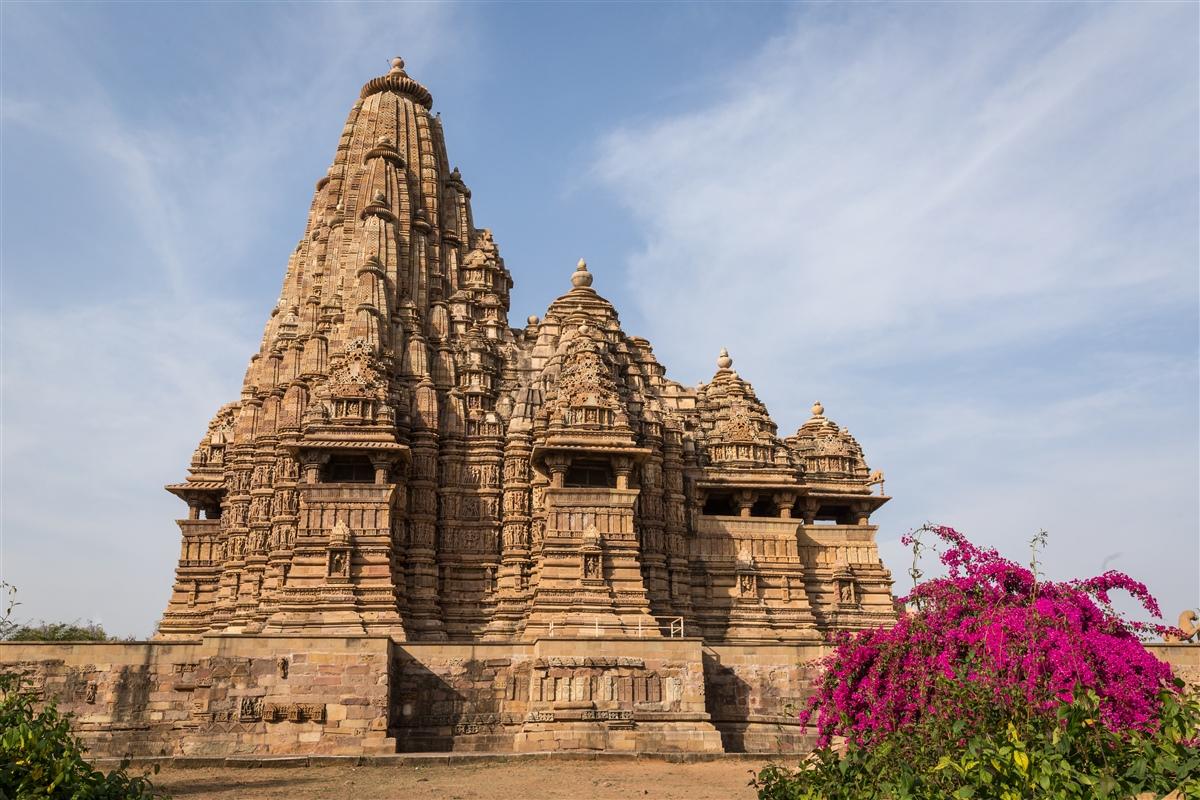
Kandariya Mahadeva Temple : Kandariya Mahadeva Temple, located in Khajuraho, Madhya Pradesh, is a stunning example of medieval Indian temple architecture, built during the Chandela dynasty around the 11th century. Dedicated to Lord Shiva, the temple is renowned for its intricate sandstone carvings, towering spire, and detailed sculptures depicting gods, goddesses, and celestial beings. Its ornate exterior and meticulously designed interiors reflect the artistic and cultural brilliance of the era. Recognized as a UNESCO World Heritage Site, Kandariya Mahadeva Temple attracts visitors and devotees from across the world, offering a glimpse into India's rich heritage, spiritual depth, and architectural mastery.
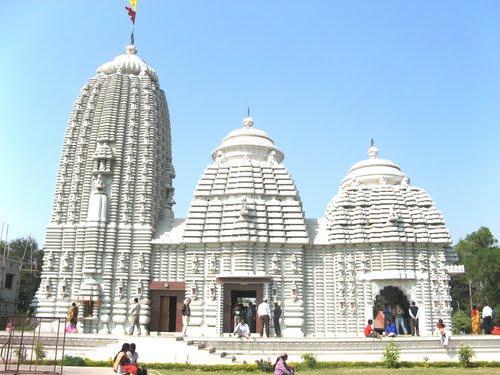
Jagannath Mandir : Jagannath Mandir, located in Puri, Odisha, is one of India's most revered Hindu temples, dedicated to Lord Jagannath, a form of Lord Krishna. Famous for its annual Rath Yatra, the temple attracts millions of devotees from across the world, who witness the grand procession of the deities in beautifully decorated chariots. The temple's architecture reflects the Kalinga style, with intricately carved stone walls and towering spires. Besides its religious significance, Jagannath Mandir holds immense cultural and historical value, symbolizing devotion, tradition, and the rich heritage of Odisha, making it a must-visit spiritual and cultural landmark.
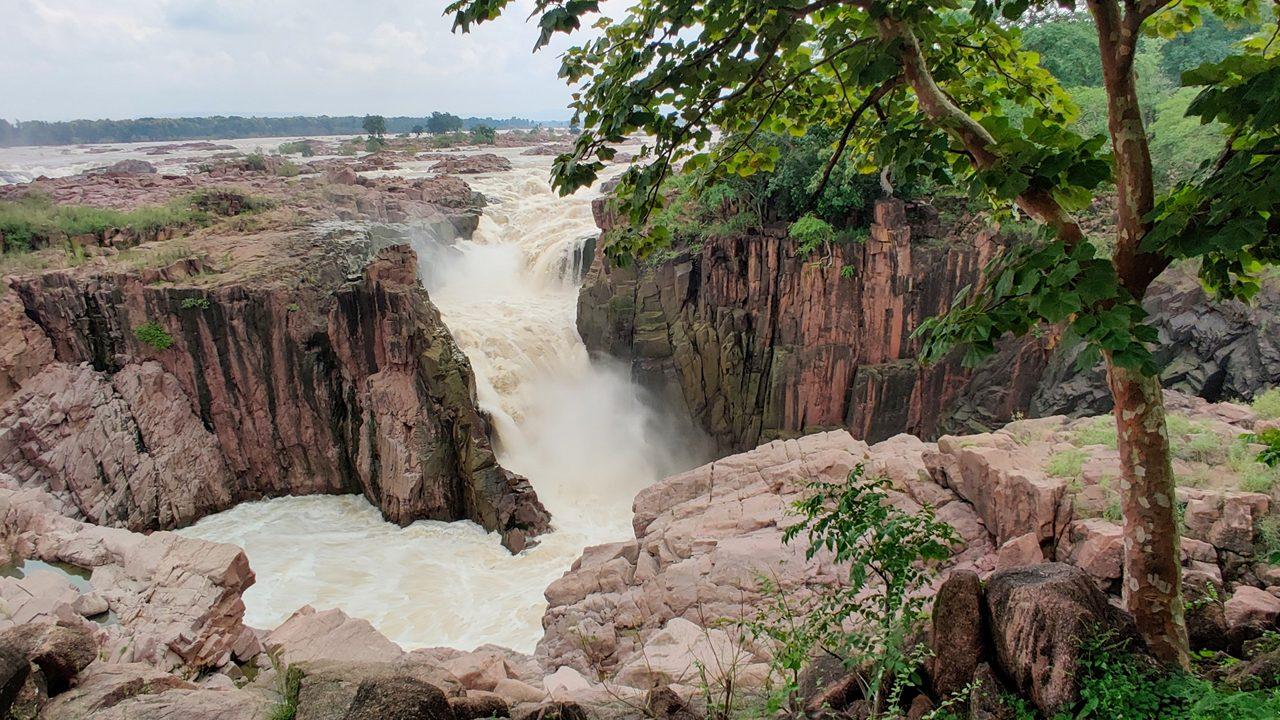
Rane Waterfalls : Rane Waterfalls, located near the scenic Western Ghats in Karnataka, is a hidden gem for nature lovers and adventure seekers. Surrounded by lush greenery, rolling hills, and dense forests, the waterfall offers a serene escape from city life. The cascading waters create a mesmerizing sight, especially during the monsoon season when the flow is at its peak. Trekking trails leading to the falls provide a thrilling experience for hikers, while the tranquil environment makes it ideal for photography and picnics. Easily accessible from nearby towns, Rane Waterfalls is a perfect destination for a peaceful day amidst nature.
Toll Rates on National Highway 39
National Highway 39 is an important corridor connecting multiple states, including Uttar Pradesh, Madhya Pradesh, and Jharkhand. Along its route in Madhya Pradesh, the government has established structured toll rates for different categories of vehicles. These rates are designed to support maintenance, development, and operational efficiency of the highway, while ensuring smooth traffic flow. The toll rates vary depending on vehicle type, journey type, and pass validity. Below is a step-wise explanation of the toll rates applicable on NH 39 in Madhya Pradesh.
Toll Rates for Cars, Jeeps, and Vans
- Single Journey Charge: Vehicles such as cars, jeeps, and vans are charged ₹25 for a one-way trip on NH 39. This applies to any standard passage through the toll plaza.
- Return Journey Charge: If a vehicle makes a return trip on the same route, the total toll charged is ₹40. This rate is slightly discounted compared to paying two single journey charges separately.
- Monthly Pass Charge: For regular commuters, a monthly pass is available at ₹875. This allows unlimited travel for 30 days without the need to pay the toll at each plaza.
- Registered Commercial Vehicles in Enclosed Plazas: Commercial vehicles registered with the highway authority and passing through enclosed plazas are charged a nominal fee of ₹15 per journey. This encourages registration and compliance while offering discounted tolls for frequent users.
Toll Rates for Light Commercial Vehicles (LCV)
- Single Journey Charge: Light commercial vehicles such as small goods carriers and delivery vans pay ₹40 for a one-way trip.
- Return Journey Charge: For a round trip, the charge is ₹65, providing a reduced cost compared to two single journeys.
- Monthly Pass Charge: LCVs can obtain a monthly pass at ₹1415, which is beneficial for small businesses that frequently use NH 39 for transport and delivery services.
- Registered Commercial Vehicles in Enclosed Plazas: Registered LCVs enjoy a discounted fee of ₹20 per journey in enclosed plazas.
Toll Rates for Buses and Trucks
- Single Journey Charge: Larger vehicles such as buses and trucks pay ₹90 for a one-way journey on NH 39.
- Return Journey Charge: For a round trip, the toll is ₹135. This helps transport companies optimize travel costs on regular routes.
- Monthly Pass Charge: A monthly pass for buses and trucks is priced at ₹2965, allowing multiple trips without repeated payment at toll plazas.
- Registered Commercial Vehicles in Enclosed Plazas: Registered vehicles pay ₹45 per journey in enclosed toll plazas, providing a discount for frequent commercial transport.
Toll Rates for Vehicles with Up to Three Axles
- Single Journey Charge: Vehicles with up to three axles, including medium-sized trucks, pay ₹95 for a single trip.
- Return Journey Charge: For a round trip, the toll is ₹145, which is cost-effective compared to paying two separate single journey charges.
- Monthly Pass Charge: Monthly passes are available at ₹3235 for three-axle vehicles, suitable for logistics and distribution companies.
- Registered Commercial Vehicles in Enclosed Plazas: A nominal charge of ₹50 per journey applies to registered three-axle commercial vehicles in enclosed plazas.
Conclusion
National Highway 39 serves as a vital transportation artery connecting key regions of Uttar Pradesh and Jharkhand, facilitating smooth movement of goods, passengers, and services. This highway significantly contributes to regional trade and economic development by linking industrial hubs, agricultural zones, and urban centers along its route. The highway's strategic alignment ensures better connectivity between northern and eastern India, reducing travel time and improving accessibility for businesses and commuters. Continuous improvements in road quality, safety measures, and toll management have enhanced its efficiency, making NH-39 a reliable choice for long-distance travel. Moreover, the highway supports local economies by providing easier access to markets, education, and healthcare facilities.
Looking ahead, NH-39 is poised to play an even greater role in fostering regional integration and socio-economic growth. Upcoming infrastructure projects, including road widening, flyovers, and service facilities, are expected to further enhance travel convenience and safety. The highway also holds potential for tourism development, connecting cultural and natural attractions across the states. Overall, NH-39 exemplifies how modern highways can drive connectivity, trade, and development, offering a lifeline for communities and industries alike. Its continuous evolution ensures it will remain a crucial corridor linking Uttar Pradesh and Jharkhand for years to come.

explore further
Latest from Editorials
More from Publications
Resources


