





Table of Contents
- Introduction to National Highway 6
- Economic Importance of NH 6 Meghalaya to Mizoram
- NH 6 Route Overview: Meghalaya to Mizoram
- Famous Places Around National Highway 6
- Conclusion National Highway 6 Meghalaya to Mizoram
- Faq's
Introduction to National Highway 6
National Highway 6 connecting Meghalaya to Mizoram is one of the most significant road corridors in Northeast India, serving as a vital transportation and economic lifeline between the two hill states. This highway plays a crucial role in strengthening inter-state connectivity, facilitating trade, and ensuring smoother movement of passengers and goods across challenging terrains. Passing through lush green hills, river valleys, and strategically important districts, NH-6 enhances accessibility to remote and previously underserved regions. The highway supports regional integration by linking local markets, administrative centers, and border trade routes, thereby contributing to overall socio-economic development. Its presence has significantly reduced travel time and improved communication networks between Meghalaya and Mizoram.
Beyond connectivity, National Highway 6 Meghalaya to Mizoram carries immense strategic and developmental importance. The highway aids in the transportation of agricultural produce, forest resources, essential commodities, and construction materials, supporting local livelihoods and small businesses. It also strengthens defense logistics and disaster response capabilities in this sensitive northeastern belt. With continuous government focus on infrastructure upgrades, including road widening and slope stabilization, NH-6 is evolving into a safer and more efficient corridor. As development accelerates across Northeast India, this highway stands as a backbone of growth, promoting tourism, trade expansion, and long-term regional prosperity.
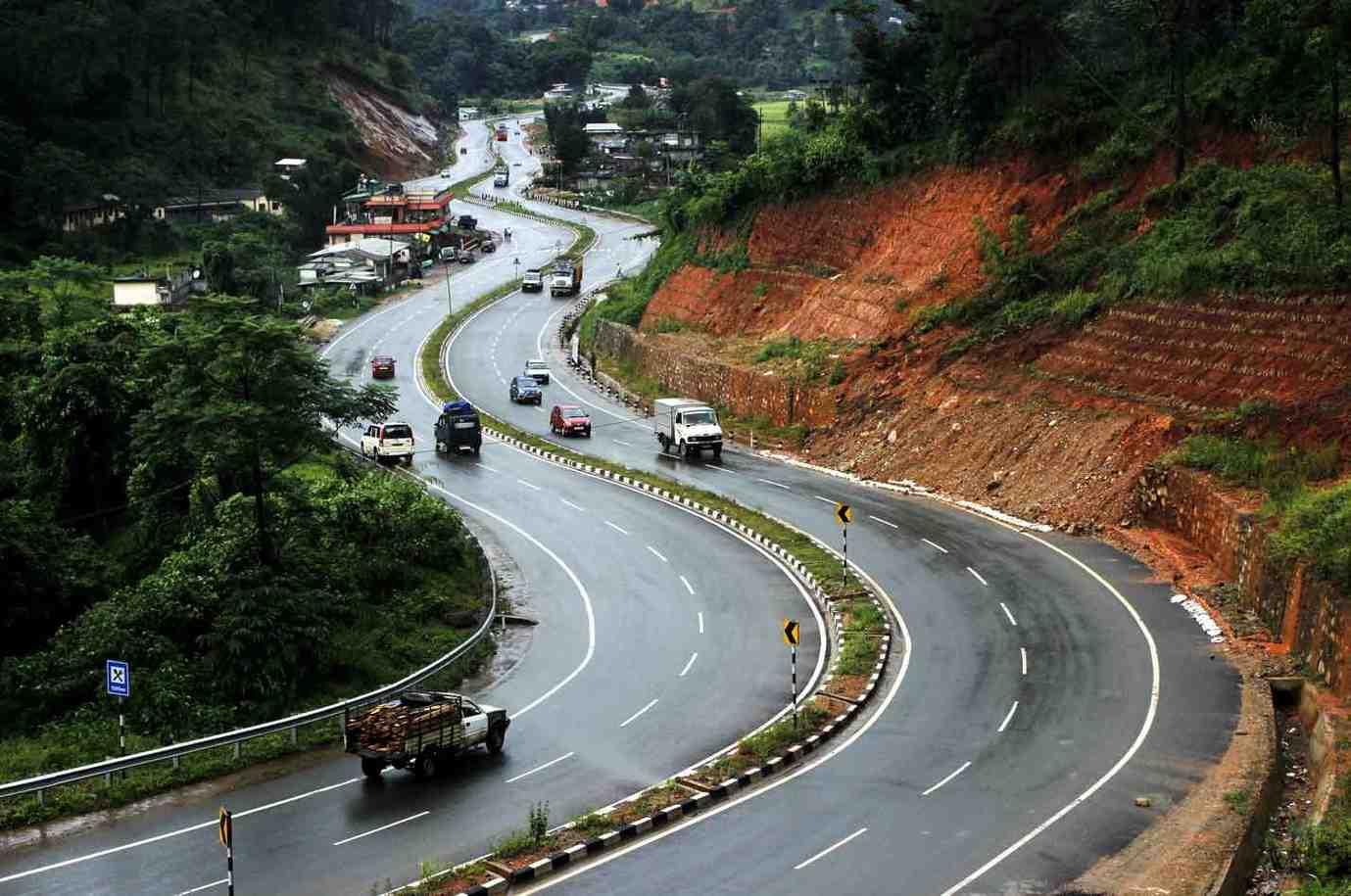 NH 6, Godigit
Economic Importance of NH 6 Meghalaya to Mizoram
- Boost to Inter-State Trade: National Highway 6 strengthens trade between Meghalaya and Mizoram by enabling smoother and faster transportation of goods. It connects local producers to regional markets, reducing transit time and logistics costs. This improved connectivity enhances commercial exchange and supports small and medium enterprises.
- Support for Agriculture and Horticulture: NH-6 helps farmers transport perishable agricultural produce such as fruits, vegetables, and spices to nearby markets efficiently. Better road access reduces spoilage and ensures fair pricing for growers. This connectivity directly contributes to rural income growth and agricultural sustainability.
- Facilitation of Supply Chains: The highway plays a crucial role in maintaining supply chains for essential commodities, construction materials, and consumer goods. It ensures consistent delivery even to remote and hilly regions of Mizoram and Meghalaya. Reliable transportation infrastructure strengthens overall economic stability in the region.
- Employment Generation: National Highway 6 creates direct and indirect employment opportunities in transport, logistics, roadside commerce, and infrastructure maintenance. Local businesses such as dhabas, repair shops, and retail outlets thrive along the corridor. Increased economic activity supports livelihood diversification for nearby communities.
- Encouragement of Tourism Economy: NH-6 improves accessibility to scenic destinations, cultural hubs, and eco-tourism spots in both states. Better connectivity attracts domestic and regional tourists, increasing revenue for hospitality and local artisans. Tourism growth contributes significantly to service-sector expansion.
- Infrastructure-Led Investment Growth: Improved highway infrastructure attracts private and public investments in logistics parks, warehouses, and commercial establishments. Investors gain confidence due to enhanced accessibility and transportation efficiency. This fosters long-term regional development and economic transformation.
- Strengthening Regional Integration: The highway integrates remote areas with mainstream economic centers, reducing regional disparities. It promotes balanced development by linking rural communities with urban markets. Enhanced integration leads to sustainable and inclusive economic progress across Meghalaya and Mizoram.
NH 6 Route Overview: Meghalaya to Mizoram
National Highway 6 connecting Meghalaya to Mizoram serves as a key arterial corridor in Northeast India, facilitating seamless movement across challenging hill terrain and ecologically rich landscapes. The route begins in Meghalaya, linking important districts and commercial centers before moving toward the Assam border corridors that act as transit gateways to Mizoram. Along its alignment, NH 6 passes through scenic valleys, forested stretches, and semi-urban growth centers, making it both strategically significant and visually distinctive. The highway intersects with other national and state highways, strengthening regional connectivity and enabling smoother inter-state travel. Its alignment is designed to connect administrative headquarters, market towns, and transport hubs, ensuring better accessibility for passengers and freight movement.
As the route progresses toward Mizoram, NH 6 becomes increasingly vital for reaching remote and hilly districts that depend heavily on road connectivity. The highway supports daily commuting, goods transport, and long-distance travel between Meghalaya and Mizoram, significantly reducing isolation for interior communities. With continuous infrastructure upgrades such as road widening, improved drainage systems, and enhanced safety features, travel along NH 6 has become more efficient and reliable. The route also supports tourism traffic heading toward natural attractions and cultural centers in both states. Overall, National Highway 6 plays a transformative role in integrating Meghalaya and Mizoram through improved road infrastructure and sustained connectivity.
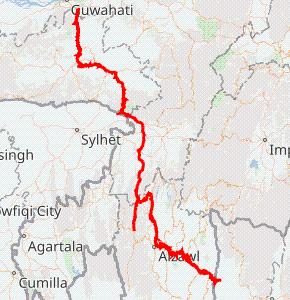 NH 6, Wikipedia
Famous Places Around National Highway 6
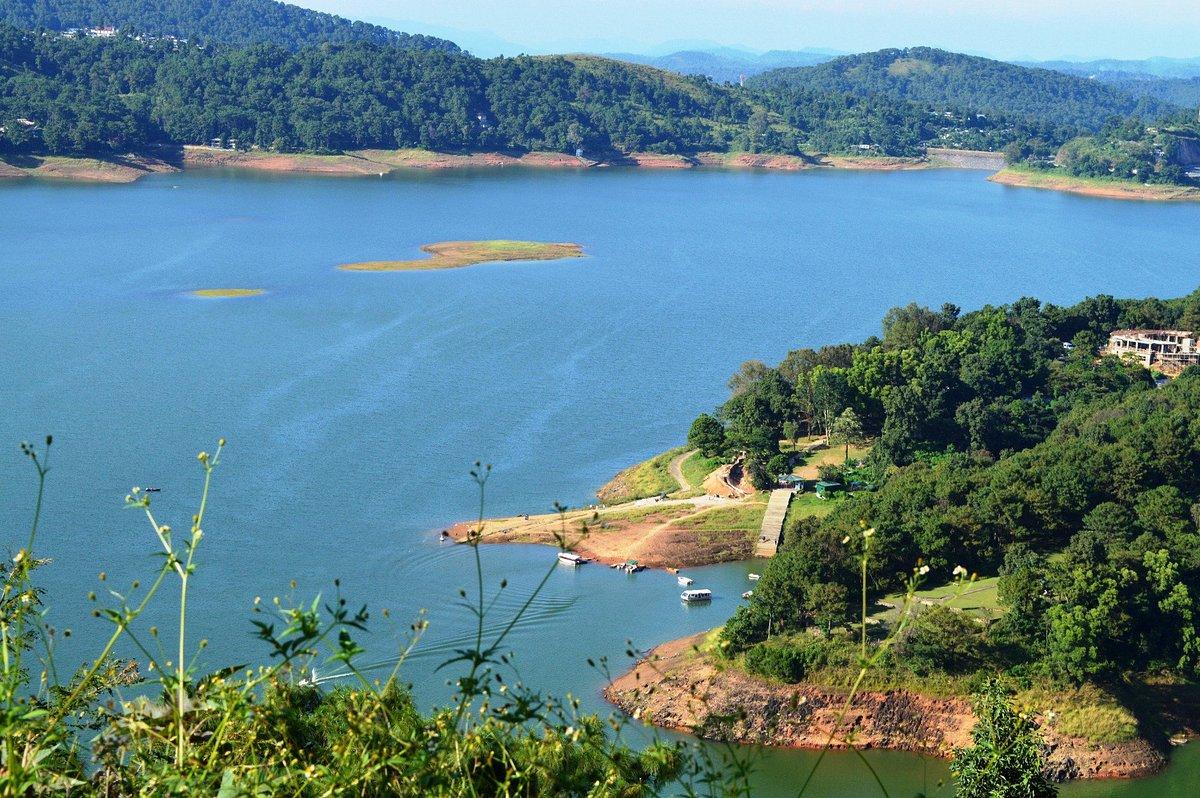
Umiam Lake, located near Shillong in Meghalaya, is a breathtaking man-made reservoir surrounded by lush green hills and pine forests. Created in the 1960s as part of a hydroelectric project, the lake has become one of the most popular tourist attractions in Northeast India. Its calm waters and scenic landscape make it ideal for boating, kayaking, and leisurely picnics. Visitors often stop here while traveling along National Highway routes connecting major towns in Meghalaya. The serene environment, especially during sunrise and sunset, offers spectacular views, making Umiam Lake a favorite destination for nature lovers, photographers, and travelers exploring the region.
Phulpui Grave, located in Phulpui village in Mizoram, is a site of deep historical and cultural significance among the Mizo people. The grave is associated with a legendary tale of love and loyalty that has been passed down through generations in local folklore. According to tradition, the site symbolizes eternal devotion and sacrifice, reflecting the rich storytelling heritage of Mizoram. Today, Phulpui Grave attracts visitors interested in history, culture, and tribal traditions. Surrounded by serene hills and natural beauty, the site stands as a quiet reminder of Mizo customs, beliefs, and the enduring legacy of their ancestral narratives.

Don Bosco Museum in Shillong, Meghalaya, is one of the finest cultural museums in Northeast India, showcasing the rich heritage, traditions, and lifestyles of the region's diverse tribal communities. Spread across multiple floors, the museum features galleries dedicated to art, handicrafts, textiles, agriculture, music, and indigenous history. Its striking hexagonal architecture and well-curated exhibits make it both educational and visually engaging. A major highlight is the skywalk that offers panoramic views of Shillong city. Don Bosco Museum serves as a cultural treasure house, preserving and promoting the vibrant identity of Northeast India for visitors and researchers alike.

Conclusion National Highway 6 Meghalaya to Mizoram
National Highway 6 connecting Meghalaya to Mizoram stands as a vital infrastructure corridor that strengthens economic growth, regional integration, and social development in Northeast India. By linking remote districts with commercial centers, NH 6 enhances trade, tourism, agricultural transport, and essential supply chains. Its strategic importance also supports defense mobility and disaster response in this sensitive region. Continuous upgrades and government investment are improving safety, durability, and travel efficiency along the route. As connectivity expands, National Highway 6 will continue to drive balanced development, unlock new opportunities, and promote long-term prosperity for communities across Meghalaya and Mizoram.

explore further
Latest from Editorials
More from Publications
Resources


