





Table of Contents
- Introduction & Overview of NH 931A
- Route Details & Geography
- Economic, Social & Regional Impact
- Future Prospects & Recommendations
- Places to See Near NH 931A
- Conclusion
- Faq's
Introduction & Overview of NH 931A
National Highway 931A is a significant road link in the state of Uttar Pradesh, India, connecting Salon to Jagdishpur. This highway serves as a vital artery for regional connectivity, facilitating the movement of people, goods, and services between these two important locations. While not a long national highway, NH-931A plays a crucial role in boosting local economies and improving transportation infrastructure in the districts it traverses. Its importance lies in providing a more direct and efficient route compared to alternative roads, thereby reducing travel time and transportation costs. The highway's development and maintenance are crucial for ensuring its continued contribution to the region's growth.
The primary function of NH-931A is to streamline travel between Salon and Jagdishpur, benefiting both residents and businesses. It enhances access to markets, educational institutions, and healthcare facilities, particularly for those living in smaller towns and villages along the route. Furthermore, improved connectivity provided by NH-931A can lead to increased opportunities for economic development, fostering the growth of local industries and attracting investments. The efficiency of this highway directly impacts the overall economic vitality of the region it serves, contributing to improved living standards and increased prosperity. The condition and upkeep of NH-931A are essential for maximizing its benefits. Regular maintenance, including road repairs and upgrades, is necessary to ensure safety and minimize travel delays.
Furthermore, proper signage and well-maintained rest areas contribute to a more comfortable and secure travel experience. Investing in the infrastructure of NH-931A will not only improve transportation efficiency but also promote sustainable development and enhance the quality of life for the communities it connects. Continuous monitoring and proactive maintenance are key to ensuring the highway's long-term functionality and its continued positive impact on the region.
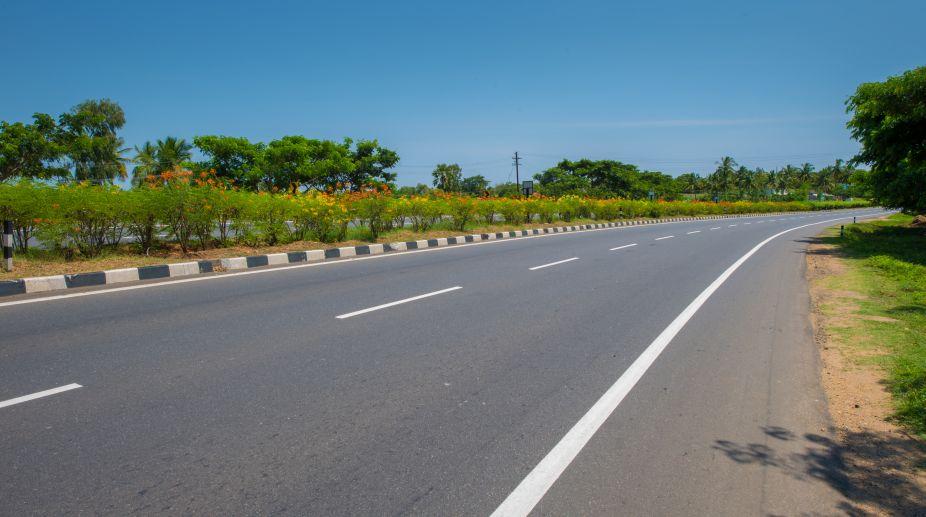 Thestatesman, NH 931A
Route Details & Geography
National Highway 931A, a crucial roadway in Uttar Pradesh, connects the town of Salon to Jagdishpur. This highway serves as an important transport link for the local population, facilitating the movement of goods and people between these two regions. The highway stretches through a blend of urban and rural landscapes, providing access to multiple smaller towns and villages along its path. Given its strategic location within Uttar Pradesh, it plays a vital role in enhancing economic activity and accessibility in the region.
Geographically, the stretch of National Highway 931A traverses diverse terrains, including agricultural fields, small hills, and open areas. The highway is primarily flanked by vast agricultural lands, which are predominant in the region, making it essential for farmers to transport their produce to nearby markets. The presence of lush green fields adds to the scenic beauty of the route, particularly during the monsoon season when the landscape is vibrant and thriving. The proximity to the River Ganges also enriches the geography, providing natural resources and supporting the local ecosystem.
In terms of infrastructure, NH 931A is well-maintained, which facilitates smooth traffic flow and enhances road safety. The highway is also equipped with essential amenities such as petrol stations, roadside eateries, and rest areas, catering to travelers and transport vehicles alike. The route not only supports local commerce but is also crucial for regional connectivity, linking smaller towns to larger urban centers in Uttar Pradesh. Overall, National Highway 931A is a vital artery that contributes to the socio-economic development of the areas it serves.
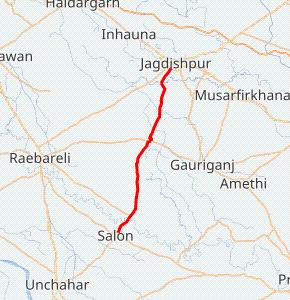 Wikipedia, NH 931A
Economic, Social & Regional Impact
Economic Impact:
- Improved connectivity reduces travel time, vehicle operating cost, and freight cost between Salon, Jais, Jagdishpur, and adjoining markets.
- Better road infrastructure will attract investment (industrial, warehousing, logistics) especially near Jagdishpur's industrial zone.
- Agricultural producers along the corridor can more efficiently transport produce to larger markets.
- Job creation during construction, maintenance, and allied services (petrol pumps, rest stops, roadside commerce).
Social Impact:
- Enhanced road safety and fewer accident risks due to improved geometry, shoulders, drainage, signage.
- Better access to education, healthcare, and services for rural communities.
- Reduced isolation of villages in monsoon times due to all-weather reliable roadway.
- Possible displacement or disruption in resettling built-up relocations, but mitigated via compensation.
Regional / Spatial Impact:
- The corridor strengthens internal connectivity in Amethi, Raebareli, and Sultanpur regions.
- May act as feeder or relief route to major highways like NH 31 and NH 731, distributing traffic.
- Encourages balanced development by reducing pressure on congested main arterial highways.
- Can serve as alternate route for larger east-west movement in central Uttar Pradesh zones.
Challenges to Realizing Impact:
- Delays in land acquisition or legal disputes. Cost overruns, inflation, or funding constraints.
- Ensuring durable construction (resisting water damage, maintenance).
- Environmental concerns (tree cutting, drainage impacts, habitat disruption).
- Coordination among multiple agencies (highway authority, local governments, utility providers).
Future Prospects & Recommendations
Periodic Monitoring & Evaluation: Use sensors, condition surveys, traffic studies to monitor performance and decide resurfacing intervals. Intelligent Transportation System (ITS): Traffic sensors, signage, CCTV, incident detection could be gradually introduced. Integrated Land Use Planning: Promote commercial zones, logistics hubs, service stops along the corridor. Environmental Enhancements: Green belts, tree plantations, noise barriers in sensitive zones. Public Feedback & Stakeholder Involvement: Involving local communities in maintenance, reporting of defects, awareness campaigns. Last-mile Connectivity Improvements: Upgrade feeder roads, village link roads tying into NH 931A to amplify benefit. Sustainable Maintenance Funding: Establish dedicated funds, tolling (if applicable), or public-private maintenance partnerships. Future Expansion Provisions: Considering the possibility of further widening or adding overtaking lanes as traffic grows.
Places to See Near NH 931A
Fatehpur Sikri : Fatehpur Sikri is a UNESCO World Heritage Site located near Agra, India, and was built during the Mughal Empire in the late 16th century. Founded by Emperor Akbar in 1571, it served as his capital for 14 years before being abandoned due to water scarcity. The complex showcases impressive Indo-Islamic architecture, with notable structures such as the Buland Darwaza, Panch Mahal, and the Tomb of Salim Chishti. The city reflects Akbar's vision of religious tolerance and cultural fusion, serving as a hub for art, culture, and governance during its brief period of prominence. Today, it attracts numerous tourists and historians.
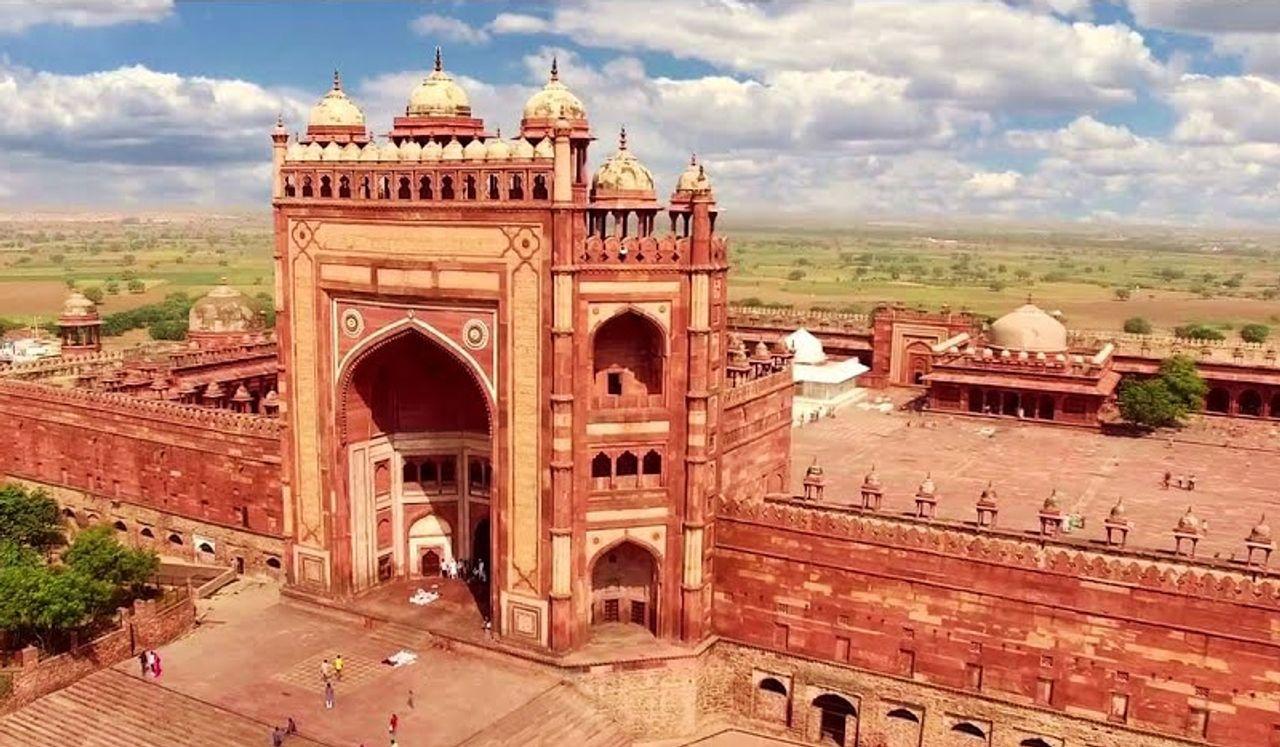 Smart guide, Fatehpur Sikri
Agra Fort: Agra Fort, a UNESCO World Heritage Site, is a stunning example of Mughal architecture located in Agra, India. Constructed in the 16th century by Emperor Akbar, it served as a royal residence and military stronghold. The fort features impressive red sandstone walls, intricate marble inlays, and significant structures like the Jahangir Mahal and Diwan-i-Am. Its design reflects a blend of Persian, Indian, and Islamic architectural styles. The fort offers panoramic views of the Taj Mahal, highlighting its historical significance. Today, Agra Fort attracts millions of visitors, embodying the rich cultural heritage and history of the Mughal Empire.
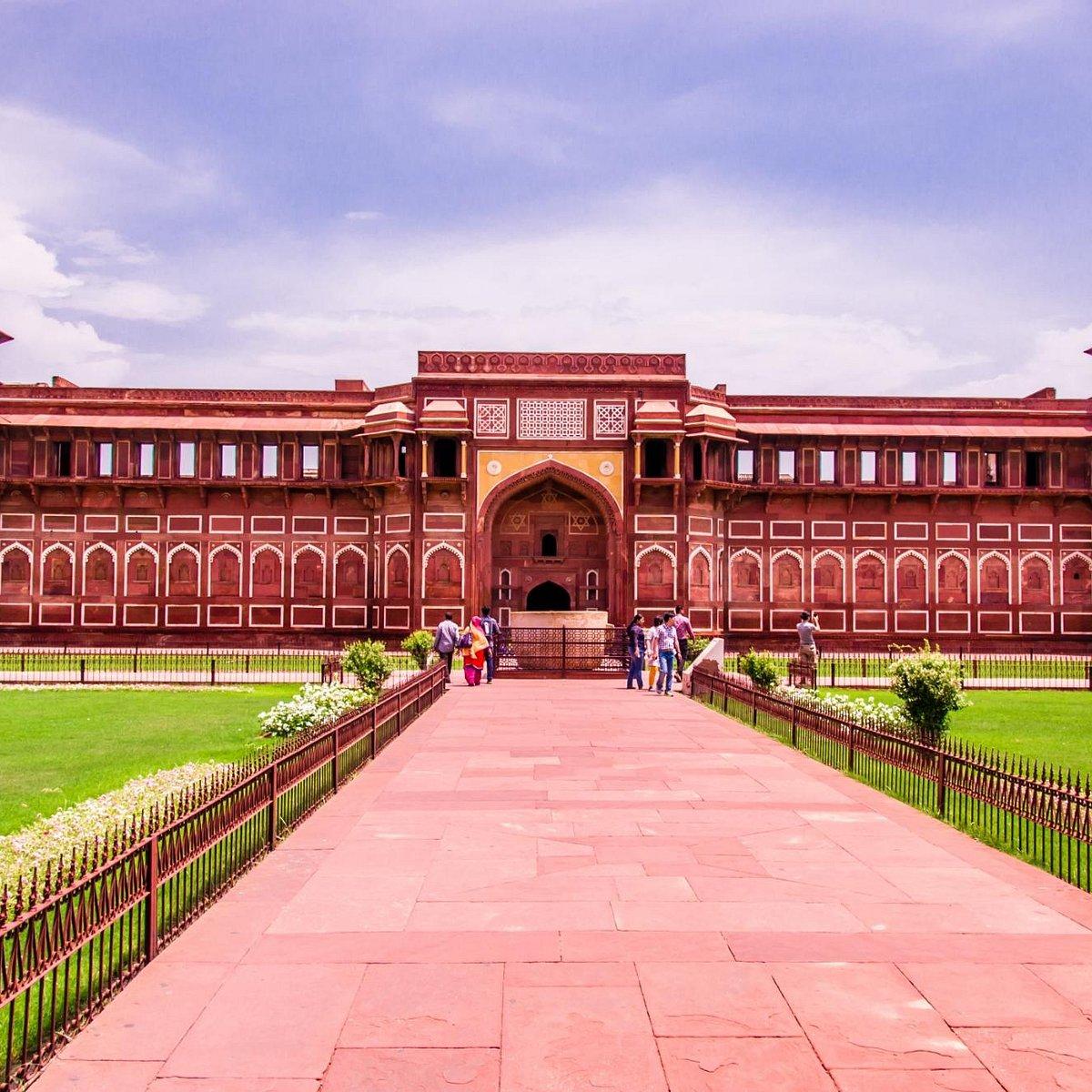 Tripadvisor, Agra Fort
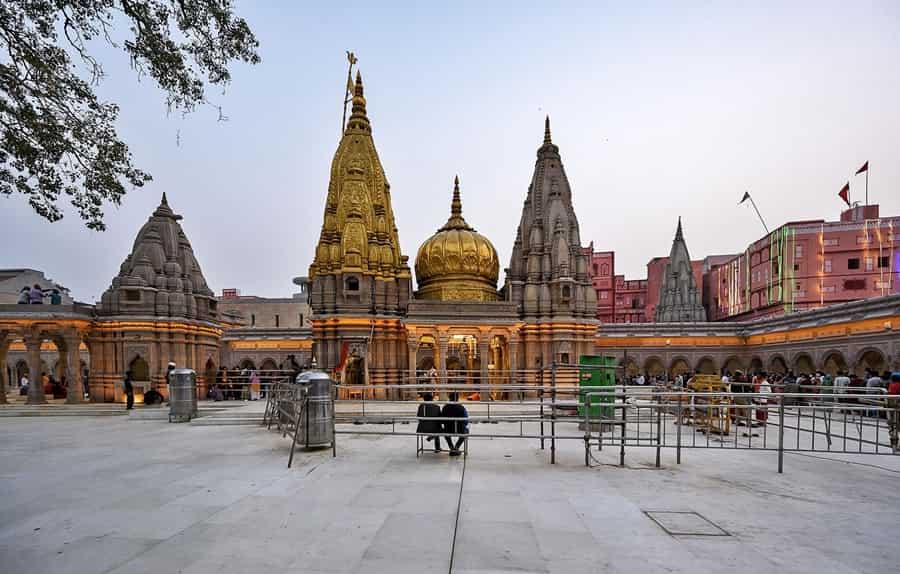
The Kashi Vishwanath Temple: The Kashi Vishwanath Temple, located in Varanasi, Uttar Pradesh, is one of the most sacred Hindu temples dedicated to Lord Shiva. Situated on the western bank of the holy Ganges River, it's a focal point of Hindu pilgrimage, drawing millions annually. The temple's golden spire, donated by Maharaja Ranjit Singh, lends to its grandeur. Believed to be one of the twelve Jyotirlingas, representations of Shiva, it holds immense religious significance. The temple has been destroyed and rebuilt multiple times throughout history, reflecting its enduring spiritual importance despite political upheavals. The current structure, built by Maharani Ahilyabai Holkar in the 18th century, stands as a testament to faith and resilience.
Conclusion
National Highway 931A, linking Salon to Jagdishpur via Jais in Uttar Pradesh, embodies a focused infrastructure intervention to strengthen regional connectivity, economic opportunity, and mobility. With a mix of four-lane and improved two-lane design, inclusion of bypasses in built-up zones, and a solid contract framework already in place, the project is poised to deliver tangible gains. However, success hinges on strong execution, adherence to quality, stakeholder coordination, and long-term maintenance planning. If these elements align, NH 931A can serve as a model for balanced highway development in semi-rural corridors of India.

explore further
Latest from Editorials
More from Publications
Resources


