




Table of Contents
- Introduction
- Understanding Velvet: A Quick Overview
- Velvet's Texture and Types
- Velvet Accents: Small Changes, Big Impact
- Choosing the Right Color Palette
- Furniture Spotlight: Major Velvet Pieces
- Caring for Your Velvet: Maintenance Tips
- Art and Wall Decor
- Conclusion
- Faq's
Introduction
Velvet, a fabric with a distinctive soft texture and a lustrous sheen, has been a symbol of luxury for centuries. Derived from various fibers such as silk, cotton, polyester, or a blend, the different types of velvet like crushed velvet, stretch velvet, and upholstery velvet offer unique aesthetics and functionalities to match your decor needs. When incorporating velvet into your home, consider using it in statement pieces such as upholstered furniture, throw pillows, and curtains to create a plush, inviting ambiance. Its rich colors can serve as a focal point or complement existing palettes, enhancing both modern minimalist and traditional opulent styles. Additionally, velvet can be layered with other materials like leather or wood to create textural contrast. To maintain its enchanting appeal, regular care is essential: vacuuming with a soft brush attachment helps remove dust, while occasional professional cleaning can tackle deeper stains. Avoid direct sunlight to prevent fading, and steer clear of using harsh chemicals, as they can damage the fabric. By understanding the nuances of velvet and how to care for it, homeowners can enjoy its sophisticated charm for years to come.
Understanding Velvet: A Quick Overview
Velvet, renowned for its luxurious feel and captivating appearance, stands apart as a plush fabric distinguished by its short, dense pile that creates an incredibly soft and inviting texture. Traditionally woven from silk, lending it unparalleled sheen and drape, modern advancements have broadened its composition to include more accessible materials like cotton, polyester, and various synthetic blends. This versatility allows for a range of price points and durability levels, making velvet a more democratic textile choice. The density of the fibers in velvet contributes to its rich, saturated color and creates a surface that practically begs to be touched. This inherent tactility makes it an exceptional choice for upholstery, adding a touch of elegance and comfort to sofas, chairs, and headboards. Beyond furniture, velvet excels in home accents, elevating the aesthetic of pillows, curtains, throws, and even decorative accessories. The world of velvet is diverse, with distinct types like crushed velvet, known for its intentionally distressed and shimmering appearance; panne velvet, which is pressed flat in a single direction for a sleek, almost liquid-like effect; and even embossed or printed velvets, offering intricate patterns and designs. Understanding these variations in pile, texture, and finish is crucial for selecting the ideal velvet type to perfectly complement and enhance your specific decor needs and style preferences.
Velvet's Texture and Types
Not all velvets are created equal! The type of fiber used and the weaving process affect the fabric's drape, sheen, and durability. Here's a brief overview of common velvet types:
- Cotton Velvet: Offers a matte finish and is more durable than some other types. Good for upholstery that will see a lot of use.
- Silk Velvet: The most luxurious and delicate, with a high sheen. Best suited for decorative items like pillows or throws.
- Synthetic Velvet (Polyester, Rayon): More affordable and often more stain resistant than natural velvets. A great option for families with kids or pets.
- Crushed Velvet: Has a textured, wrinkled appearance that adds depth and visual interest.
- Velvet Upholstery: Specifically made for furniture, often a cotton blend that is durable and easy to clean.
- Performance Velvet: Made from synthetic fibers, it is a great option for stain-resistant and durable velvet.
Consider how you plan to use the velvet item when choosing the right type.
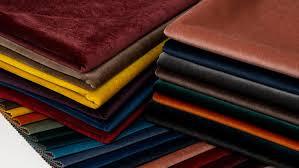 Velvet's Texture and Types,Pinterest
Velvet Accents: Small Changes, Big Impact
You don't need to overhaul your entire living room to experience the allure of velvet. Small accents can make a significant difference:
- Pillows: Scatter velvet pillows on your sofa, bed, or armchairs. They add instant texture and color.
- Throw Blankets: Drape a velvet throw blanket over your sofa or the end of your bed for cozy warmth and visual appeal.
- Curtains: Velvet curtains add drama and elegance, and they also help to block out light and insulate the room.
- Ottomans: A velvet ottoman provides a comfortable place to rest your feet and adds a touch of luxury to your living space.
- Dining Chairs: Adding velvet upholstered dining chairs to your table will be both comfortable and stylish.
- Headboards: A velvet upholstered headboard will create a cozy and sophisticated bedroom.
 Velvet Accents,Pinterest
Choosing the Right Color Palette
Velvet looks stunning in a wide range of colors. When selecting your velvet hues, consider your existing decor and the overall mood you want to create:
- Jewel Tones (Emerald Green, Sapphire Blue, Ruby Red, Amethyst Purple): Exude richness and sophistication.
- Neutrals (Gray, Beige, Cream): Offer a more subtle and versatile look that complements any style.
- Pastels (Blush Pink, Mint Green, Light Blue): Add a soft and romantic touch.
- Bold Colors (Mustard Yellow, Teal): Make a statement and add personality to your space.
Don't be afraid to mix and match velvet colors, but aim for a balanced and cohesive palette.
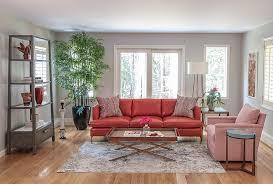 Right Color Palette,Pinterest
Furniture Spotlight: Major Velvet Pieces
If you're ready to make a bolder statement, consider investing in larger velvet furniture pieces:
- Sofas: A velvet sofa is the ultimate in luxurious comfort. Choose a classic Chesterfield style or a modern sectional.
- Armchairs: A velvet armchair provides a cozy reading nook or a stylish accent piece.
- Headboards: A velvet headboard adds a touch of elegance and luxury to any bedroom.
- Ottomans: Larger Velvet Ottomans can be both a functional piece of furniture and an eye-catching statement piece.
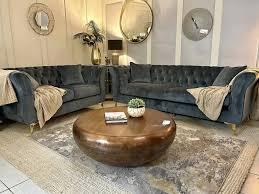 Major Velvet Pieces,Pinterest
Caring for Your Velvet: Maintenance Tips
To keep your velvet looking its best, proper care is essential:
- Vacuum Regularly: Use a brush attachment to remove dust and debris.
- Spot Clean Stains: Blot (don't rub) spills immediately with a clean, dry cloth. Use a mild soap and water solution for stubborn stains. Always test in an inconspicuous area first.
- Professional Cleaning: Consider professional cleaning for deep cleaning or tougher stains.
- Avoid Direct Sunlight: Prolonged exposure to sunlight can fade velvet over time.
- Steam Clean: For light dusting and stains, a garment steamer is also an easy option for cleaning velvet upholstery.
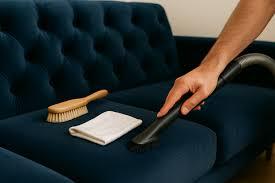 Caring for Your Velvet,Pinterest
Art and Wall Decor
Velvet can also make its way into your wall decor:
- Framed Velvet Panels: Create a gallery wall with framed velvet panels in different colors and textures.
- Velvet-Covered Headboards: Consider using velvet for your headboard upholstery.
- Statement Mirrors: Use velvet trim or backing for statement mirrors to create a luxurious focal point.
Conclusion
Incorporating velvet into your home decor is a fantastic way to add a touch of luxury, comfort, and sophistication. Whether you opt for small accents or statement furniture pieces, velvet can elevate your space and create a warm, inviting atmosphere. By following these tips, you can confidently embrace the plush life and transform your home into a stylish haven.

explore further
Latest from Contemporary ideas
More from Innovations
Resources


