




Table of Contents
- Introduction
- Importance of Optimizing Small Spaces for Study Areas
- Identifying Needs and Priorities for a Study Area
- Key Furniture Pieces to Consider
- Design Tips for Small Study Rooms
- Essential Technology and Accessories for Small Study Areas
- Personalization and Decor
- Tips for Maintaining Organization in Shared Spaces
- Conclusion
- Faq's
Introduction
In the fast-paced world we live in, the demand for effective study spaces has soared, especially as more people engage in remote work and online learning. For many, limited space is a significant challenge, making it crucial to design study areas that not only optimize functionality but also inspire productivity. This comprehensive guide explores compact study room furniture solutions tailored for small spaces, emphasizing the importance of thoughtful design, essential furniture selections, and effective organization strategies.
Importance of Optimizing Small Spaces for Study Areas
Creating a dedicated study area in a small space can significantly improve focus, productivity, and a sense of well-being. An optimized study space helps reduce distractions by establishing a clear boundary between work and leisure. Furthermore, a well-planned study area encourages effective time management and enhances learning outcomes. As remote learning and telecommuting become more prevalent, having a functional workspace at home is essential for achieving academic and professional success.
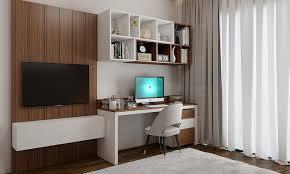 Small Spaces for Study Areas,Pinterest
Identifying Needs and Priorities for a Study Area
Before curating a study space, it is vital to assess needs and priorities. Consider the following factors:
- Purpose: Determine the primary activities that will take place in the study area, whether it's reading, writing, or video conferencing.
- Space Limitation: Measure the available area to identify the types and sizes of furniture that will fit comfortably.
- Storage Requirements: Assess how much storage is necessary for books, documents, and supplies to avoid clutter.
- Style Preference: Decide on aesthetics that align with personal taste to create an inviting environment.
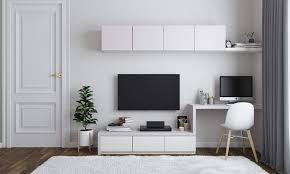 Identifying Needs and Priorities for a Study Area,Pinterest
Key Furniture Pieces to Consider
Selecting the right furniture is crucial for maximizing a small study area. Here are essential pieces to consider:
- Compact Desk: Look for desks with a minimalist design that can accommodate a laptop or desktop computer without overwhelming the space. Foldable or wall-mounted desks are excellent options.
- Ergonomic Chair: Comfort is paramount for extended study times. Opt for a chair that supports proper posture while being compact enough to fit your area.
- Storage Solutions: Utilize multifunctional furniture like ottomans with storage, under-desk shelving units, or cabinets that can serve multiple purposes.
- Bookshelves or Wall Units: Vertical storage is ideal for small spaces. Floating shelves or tall, narrow bookshelves maximize vertical space and keep items organized.
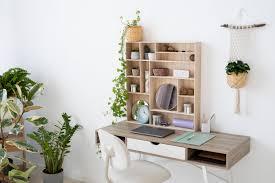 Furniture Pieces to Consider,Pinterest
Design Tips for Small Study Rooms
When designing a study area in a small space, consider the following tips:
- Color Scheme: Choose light colors to create an illusion of space. Bright accents can add vibrancy without overwhelming the area.
- Lighting: Prioritize natural light by positioning the desk near windows. Complement with adjustable task lighting for nighttime study sessions.
- Zone Planning: Define distinct zones for studying and storing materials, which helps maintain organization and improves workflow.
- Mirrors: Incorporate mirrors to reflect light and make the area appear larger.
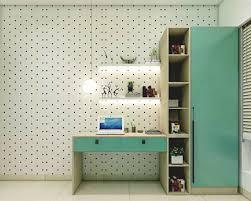 Design Tips for Small Study Rooms,Pinterest
Essential Technology and Accessories for Small Study Areas
Integrating technology and accessories efficiently is key to maximizing functionality in compact study spaces. Consider the following essentials:
- Laptop Stand: Improves ergonomics and saves desk space.
- Cable Management Solutions: Use cable organizers to prevent clutter and tangling of cords.
- Desk Organizer: Keeps stationery, documents, and other supplies easily accessible.
- Noise-Canceling Headphones: Essential for maintaining focus in a shared or busy environment.
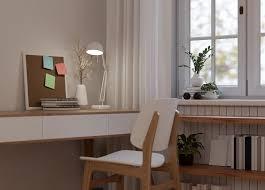 Accessories for Small Study Areas,Pinterest
Personalization and Decor
A study area should reflect personal style to encourage creativity and comfort. Here are ways to personalize your space:
- Artwork and Prints: Hang inspiring quotes or artwork that resonates with you.
- Plants: Introduce greenery with small potted plants to improve air quality and aesthetics.
- Personalized Desk Items: Customized stationery or unique desk accessories can add a personal touch.
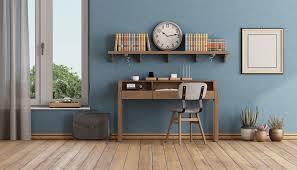 Personalization and Decor,Pinterest
Tips for Maintaining Organization in Shared Spaces
In a shared living environment, organization is crucial. Implement these strategies to maintain order:
- Set Boundaries: Clearly define the study area to avoid encroachment from shared areas.
- Declutter Regularly: Schedule regular clean-ups to remove unnecessary items and maintain a tidy workspace.
- Shared Calendars: Maintain a shared calendar for study times to prevent overlap.
- Storage Labels: Label storage boxes and files for easy retrieval and returns.
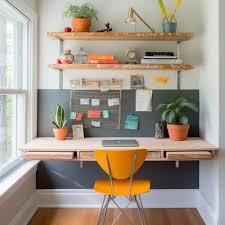 Tips for Maintaining Organization in Shared Spaces,Pinterest
Conclusion
Creating an efficient, stylish study area in a small space is entirely achievable with thoughtful planning and the right furniture solutions. By prioritizing needs, choosing key furniture pieces, utilizing effective design tips, and personalizing the space, anyone can craft an inspiring study environment that enhances productivity. As remote work and online learning continue to grow, optimizing study areas in small spaces will become increasingly essential for academic and professional success.

explore further
Latest from Contemporary ideas
More from Innovations
Resources


