




Table of Contents
- Introduction to National Highway 21
- Route Overview from NH 21 Rajasthan to Uttar Pradesh
- Infrastructure Development Along NH 21
- Famous Places Around National Highway 21
- Conclusion
- Faq's
Introduction to National Highway 21
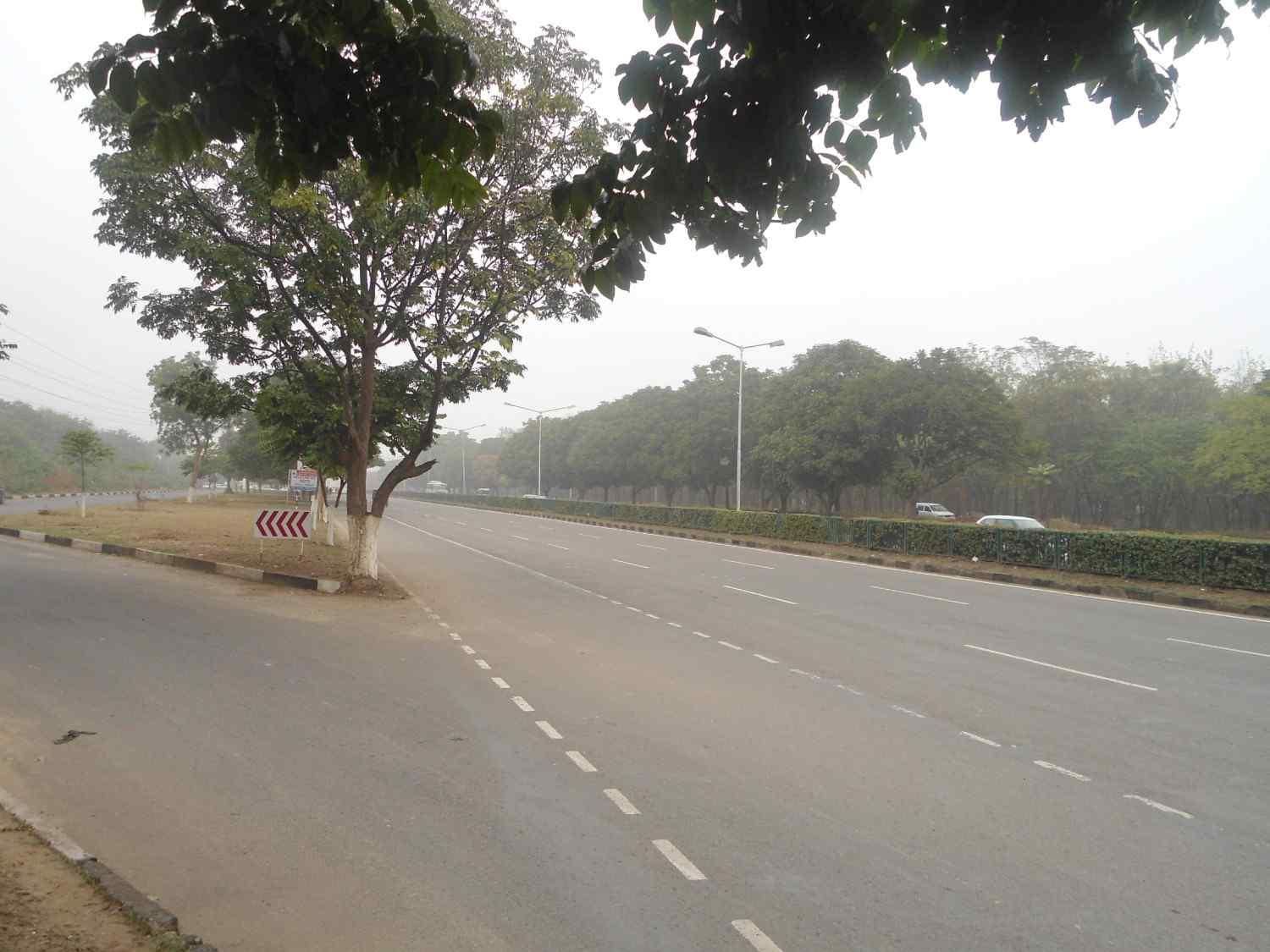
National Highway 21 is an important road corridor that connects the state of Rajasthan with Uttar Pradesh, playing a vital role in regional and inter-state connectivity. This highway supports the smooth movement of people, goods, and services between two culturally rich and economically significant states of northern India. Rajasthan, known for its tourism, minerals, and handicrafts, relies heavily on road transport, while Uttar Pradesh has a strong base in agriculture, industry, and population-driven commerce. National Highway 21 acts as a crucial link that brings these regions closer, reducing travel time and improving accessibility to towns, markets, and urban centers. The highway is widely used by private vehicles, buses, and commercial transport, making it an essential part of daily life and long-distance travel.
The development of National Highway 21 has contributed significantly to economic growth, infrastructure improvement, and social development along its route. Better road conditions and improved connectivity have encouraged trade, boosted tourism, and created employment opportunities in towns and rural areas near the highway. Farmers benefit from faster access to markets, while businesses enjoy smoother logistics and reduced transportation costs. The highway also supports tourism by connecting heritage destinations, religious centers, and cultural hubs in Rajasthan and Uttar Pradesh. With ongoing upgrades and future expansion plans, National Highway 21 continues to strengthen inter-state relations and promote balanced regional development, making it a key component of India's national highway network.
 NH 21, Godigit
Route Overview from NH 21 Rajasthan to Uttar Pradesh
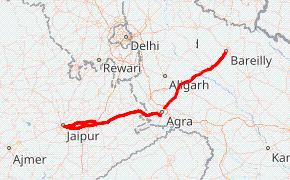
National Highway 21 begins in Rajasthan and serves as an important road corridor connecting interior regions of the state to neighboring Uttar Pradesh. The highway passes through key towns and semi-urban areas, making it a vital link for daily commuters, traders, and long-distance travelers. NH 21 connects local roads, state highways, and other national highways, creating a well-integrated transport network. In Rajasthan, the route supports movement from historically and economically important regions, helping connect rural belts with larger cities. The highway is widely used for passenger vehicles, buses, and commercial trucks carrying agricultural produce, construction materials, and consumer goods. Its alignment allows smooth travel across varied terrain, improving accessibility for areas that earlier depended on narrow or indirect roads. As NH 21 moves toward Uttar Pradesh, it becomes an essential inter-state connector that strengthens regional mobility and trade.
The highway links multiple districts before merging with major road networks in Uttar Pradesh, ensuring seamless connectivity to markets, industrial areas, and population centers. This route significantly reduces travel time between Rajasthan and Uttar Pradesh, making transportation more cost-effective and efficient. Improved road conditions along NH 21 support year-round travel, even during peak agricultural and tourist seasons. The highway also plays a key role in supporting tourism by connecting cultural, religious, and heritage destinations across both states. Overall, the route of NH 21 acts as a backbone for economic growth, regional integration, and social development, making it one of the most important highway links between Rajasthan and Uttar Pradesh.
 NH 21, Wikipedia
Infrastructure Development Along NH 21
- Road Widening and Lane Expansion: National Highway 21 has seen significant road widening to handle increasing traffic between Rajasthan and Uttar Pradesh. Many stretches have been upgraded from single or intermediate lanes to wider two-lane or multi-lane roads. This expansion improves vehicle flow, reduces congestion, and ensures safer overtaking for heavy vehicles. Wider roads also support faster inter-state movement of goods and passengers.
- Improved Road Surface and Quality: Infrastructure development along NH 21 includes resurfacing with durable materials for better road strength and longevity. Smooth road surfaces reduce vehicle wear and tear and improve fuel efficiency. Enhanced pavement quality also ensures better driving comfort for long-distance travelers. These improvements make NH 21 more reliable during all seasons.
- Construction of Bypasses and Flyovers: To reduce traffic congestion in towns and semi-urban areas, bypass roads and flyovers are being developed along NH 21. These structures allow through-traffic to move without entering crowded local areas. Bypasses reduce travel time and minimize pollution within towns. Flyovers improve traffic management at busy junctions and intersections.
- Enhanced Safety Infrastructure: Safety upgrades form a major part of infrastructure development on NH 21. This includes clear road markings, reflective signboards, crash barriers, rumble strips, and proper lighting at critical points. Pedestrian crossings and speed-control measures near settlements improve safety for local residents. These measures help reduce accidents and promote disciplined driving.
- Better Drainage and Flood Management: Improved drainage systems are being implemented to prevent waterlogging during monsoon seasons. Proper side drains and culverts protect road surfaces from damage and ensure uninterrupted movement. Flood-resistant infrastructure increases the lifespan of the highway. This is especially important for rural and low-lying areas along the route.
- Development of Roadside Amenities: Infrastructure growth along NH 21 includes fuel stations, rest areas, food courts, vehicle repair centers, and parking zones. These facilities support long-distance travelers, transport operators, and tourists. Roadside amenities improve travel convenience and encourage highway-based commercial activity. They also generate local employment opportunities.
- Strengthening Connectivity with Other Roads: NH 21 is being integrated better with state highways, district roads, and nearby national highways. Improved junctions and access roads help smooth traffic movement. This connectivity boosts last-mile access for villages, towns, and industrial zones. Strong road networks enhance logistics efficiency and regional integration.
- Support for Economic and Industrial Infrastructure: Improved highway infrastructure attracts warehouses, logistics hubs, and small industrial units along NH 21. Better roads lower transportation costs and support supply chain efficiency. This encourages business growth and investment in nearby areas. Industrial development along the corridor supports long-term economic growth.
- Environmental and Sustainable Measures: Plantation drives, noise barriers, and eco-friendly construction practices are being introduced along NH 21. These measures reduce environmental impact and improve
- Future-Ready Infrastructure Planning: Future plans for NH 21 include smart traffic systems, improved signage, and capacity enhancement. These upgrades aim to meet rising traffic demand between Rajasthan and Uttar Pradesh. Modern infrastructure ensures long-term efficiency and safety. NH 21 is gradually evolving into a strong inter-state development corridor.
Famous Places Around National Highway 21
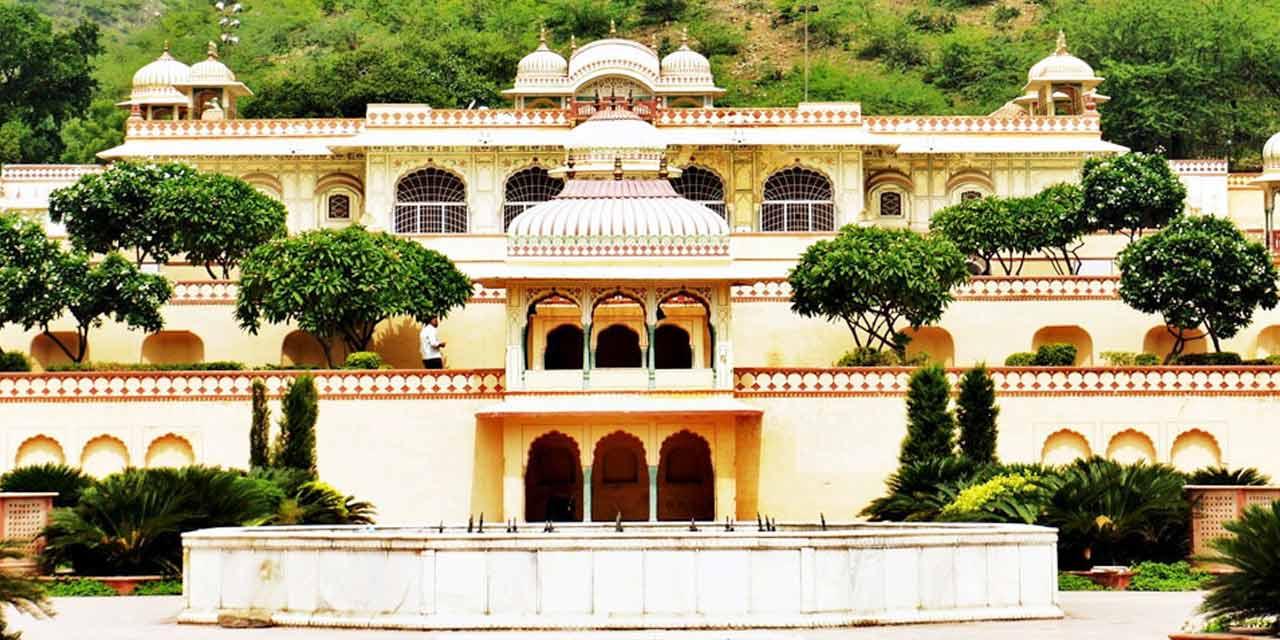
Sisodia Rani Garden is a beautiful historical garden located on the outskirts of Jaipur, Rajasthan, along the Jaipur-Agra Road. Built in 1728 by Maharaja Sawai Jai Singh II for Queen Sisodia Rani, the garden reflects classic Rajput and Mughal architectural styles. It features tiered lawns, flowing water channels, fountains, and elegant pavilions that create a peaceful atmosphere. The garden walls are decorated with colorful murals depicting scenes from Lord Krishna's life. Surrounded by lush greenery and hills, Sisodia Rani Garden is a popular tourist attraction and a perfect example of Jaipur's royal landscape design.
 Sisodia Rani Garden, Jaipurtourism
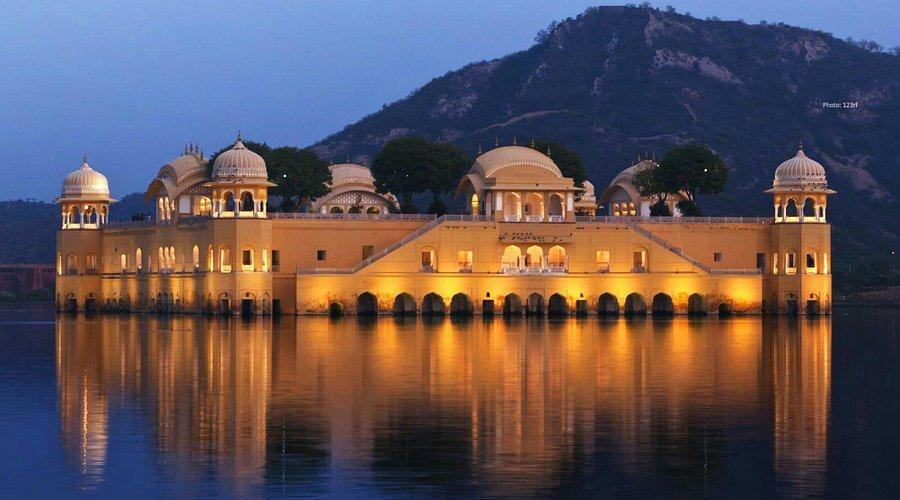
Jal Mahal is one of the most iconic architectural landmarks of Jaipur, Rajasthan, located in the middle of the serene Man Sagar Lake. Built in the 18th century by Maharaja Madho Singh I, this beautiful palace reflects a perfect blend of Rajput and Mughal architectural styles. The five-storey structure appears to float on water, with four floors remaining submerged when the lake is full. Jal Mahal is admired for its symmetrical design, sandstone construction, and scenic surroundings. Though entry inside is restricted, the palace remains a major tourist attraction and a popular photography spot in Jaipur.
 Jal Mahal, Tripadvisor
Fatehpur Sikri is a historic city in Uttar Pradesh, located near Agra, and is best known for its magnificent Mughal architecture. Built in the 16th century by Emperor Akbar, it served as the capital of the Mughal Empire for a short period. The city is a UNESCO World Heritage Site and features iconic structures such as Buland Darwaza, Jama Masjid, and Panch Mahal. Fatehpur Sikri reflects a unique blend of Persian, Islamic, and Indian architectural styles. Its well-planned layout, red sandstone buildings, and rich history make it one of India's most important cultural and tourist destinations.
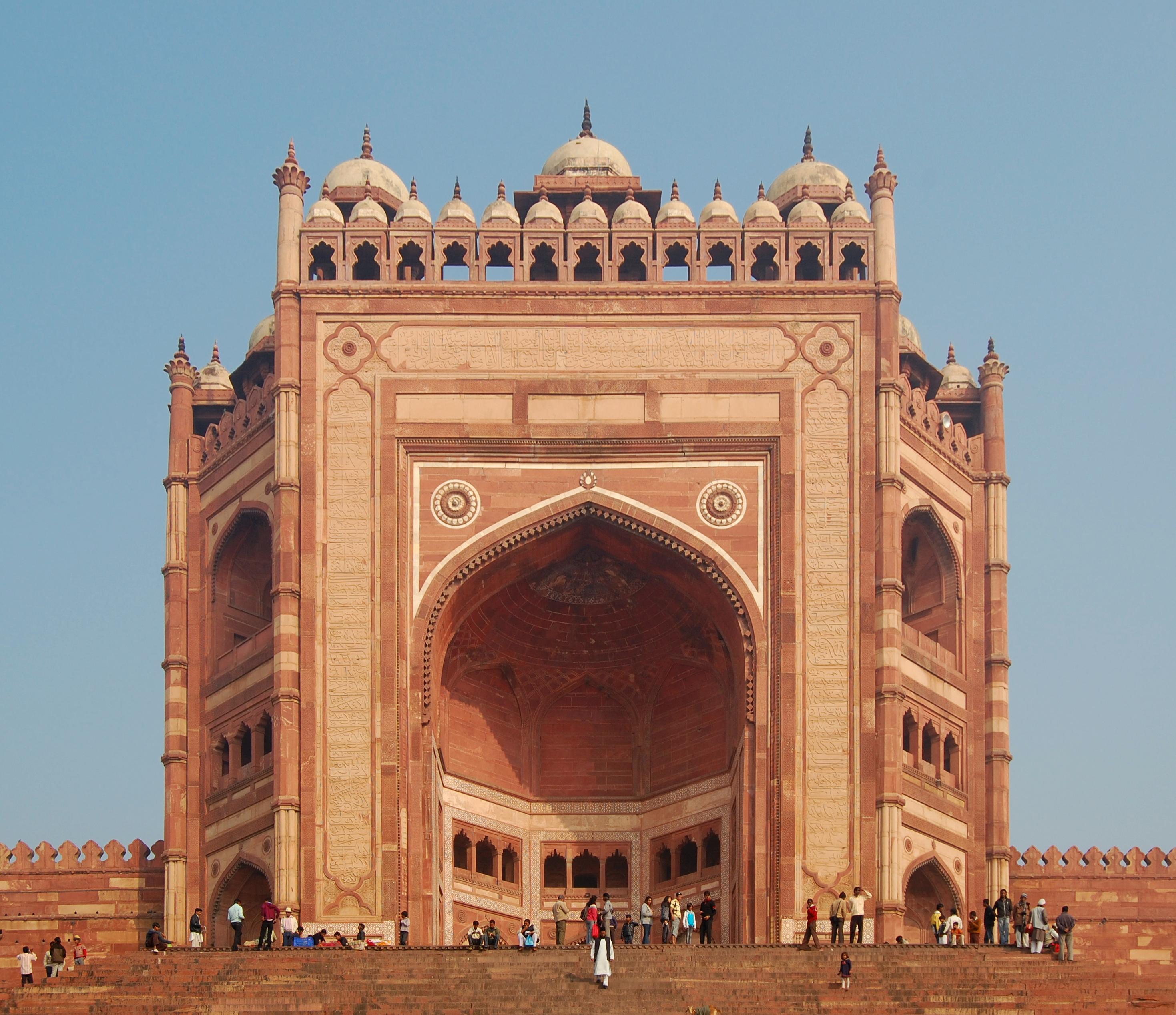 Fatehpur Sikri , Wikipedia
Conclusion
National Highway 21 connecting Rajasthan to Uttar Pradesh is more than just a road; it is a catalyst for growth, connectivity, and development. It supports trade, tourism, employment, and social progress across regions. With ongoing infrastructure upgrades and future expansion plans, NH 21 will continue to strengthen inter-state ties. Its role in shaping economic and social landscapes makes it a vital national asset. As connectivity improves, the highway will remain central to regional transformation.

explore further
Latest from Editorials
More from Publications
Resources


