




Table of Contents
- Introduction to National Highway 35
- Detailed Route Description of NH 35
- Economic Importance of National Highway 35
- Famous Places Around National Highway 35
- Road Conditions, Lane Expansion & Infrastructure
- Faq's
Introduction to National Highway 35
National Highway 35 is a significant roadway in India, serving as a vital connection within the nation's transport network. Stretching approximately 250 kilometers, it traverses the states of West Bengal and Odisha. Established to facilitate efficient movement of goods and commuters, NH 35 links major towns and cities, enhancing regional development and economic growth. Its alignment allows for easy access to various industries, commercial hubs, and agricultural areas, playing a crucial role in supporting local economies. The highway features diverse landscapes, including rural areas and urban centers, providing travelers with a glimpse of the cultural richness of Eastern India.
Besides its primary function as a transport route, NH 35 also enhances connectivity to key infrastructure such as ports and railways, bolstering trade and transportation. Ongoing efforts for upgrades and maintenance aim to improve road safety and travel efficiency, ensuring it meets the rising demands of both passenger and freight traffic. Overall, NH 35 is more than just a road; it is an integral part of India's infrastructure that contributes to national integration and accessibility.
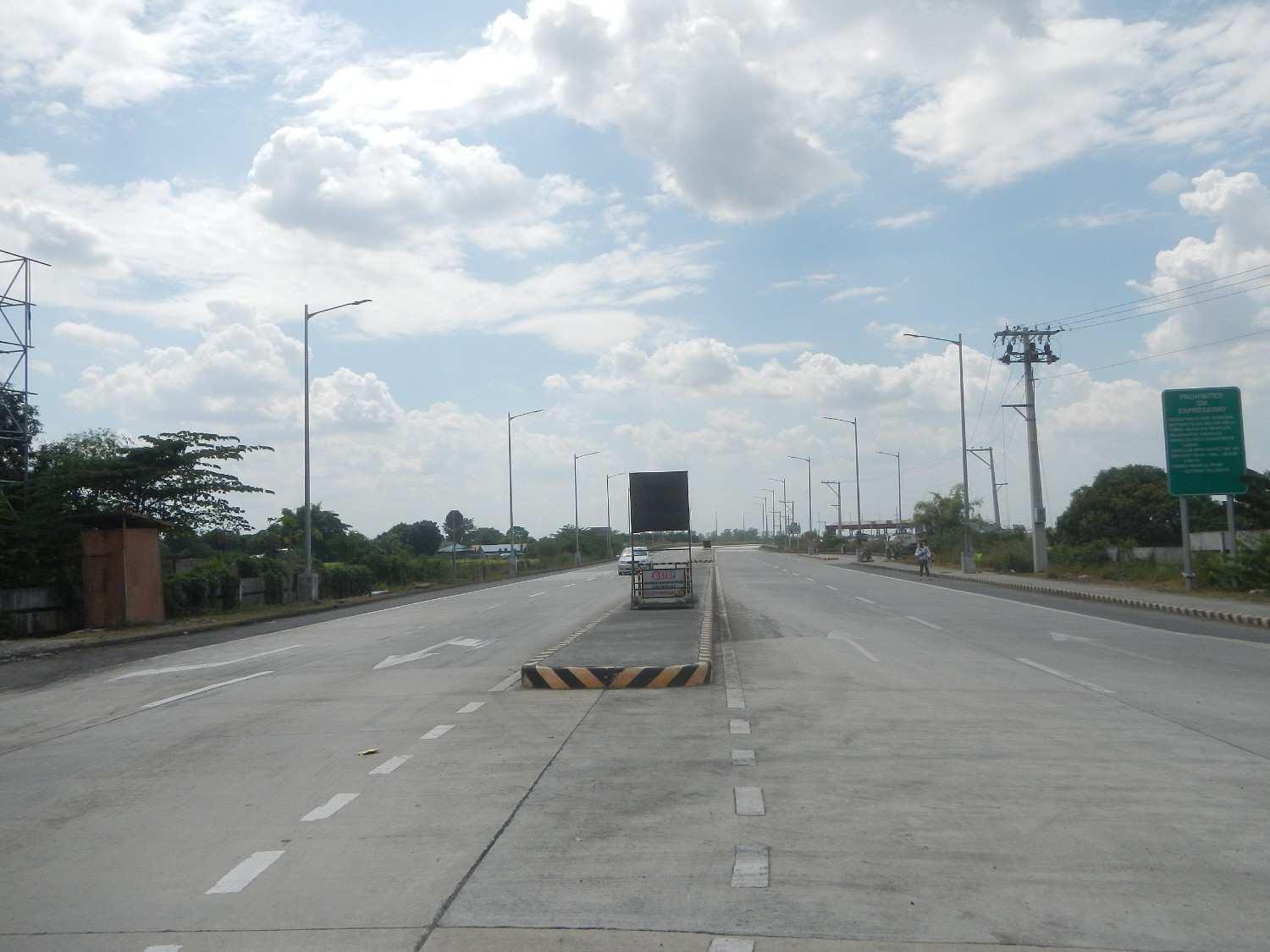 Godigit, NH 35
Detailed Route Description of NH 35
National Highway 35 in Uttar Pradesh is a crucial roadway that connects various key regions in the state, facilitating smooth transportation and trade. Starting from the town of Ghazipur, NH 35 traverses through several significant locations, including the districts of Jaunpur, Azamgarh, and Mau. This highway serves as a vital link for local traffic and supports the movement of goods, enhancing economic activities in these areas. The route is particularly important for farmers, as it allows easier access to markets for agricultural produce.
As it winds its way southward, NH 35 intersects with other major highways, improving connectivity with nearby states. The road is characterized by a mix of urban and rural landscapes, showcasing the diverse geography of Uttar Pradesh. Travelers can observe bustling towns and serene countryside along its stretch. Due to its strategic significance, ongoing infrastructure development projects aim to upgrade the highway, ensuring better road conditions for vehicles and enhancing safety for commuters. Overall, NH 35 plays an integral role in shaping the connectivity and economic growth of the regions it serves.
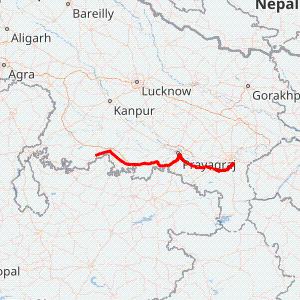 NH 35, Wikipedia
Economic Importance of National Highway 35
National Highway 35 plays a crucial role in Uttar Pradesh's economy by facilitating the movement of goods and people across the state and connecting it to other regions. It acts as a vital artery for trade, enabling the efficient transportation of agricultural produce, manufactured goods, and raw materials. This improved connectivity stimulates economic activity in the areas along its route by lowering transportation costs, reducing delivery times, and expanding market access for local businesses. Consequently, NH-35 supports the growth of industries, agriculture, and overall commerce in Uttar Pradesh, contributing to increased employment opportunities and income generation for the local population.
Furthermore, NH-35 enhances connectivity to key economic hubs and tourist destinations within and outside Uttar Pradesh. By facilitating easier access to markets, educational institutions, and healthcare facilities, it improves the quality of life for residents in the connected areas. The improved road infrastructure also attracts investment, fostering the development of new businesses and industries along the highway corridor. In essence, NH-35 serves as a catalyst for economic development in Uttar Pradesh, promoting regional integration, boosting trade, and improving the overall competitiveness of the state's economy.
Famous Places Around National Highway 35
Bhuragarh Fort : Bhuragarh Fort, located in the Satara district of Maharashtra, India, is a historical landmark steeped in Maratha valor. Strategically perched atop a hill, it offers panoramic views of the surrounding landscape. The fort played a significant role during the Maratha Empire, serving as a vital defensive outpost against invaders. While largely in ruins today, remnants of its bastions, gateways, and water reservoirs speak volumes about its former glory. Bhuragarh holds historical importance due to its association with significant events and personalities of the Maratha era, making it a worthwhile destination for history enthusiasts seeking to connect with Maharashtra's rich past.
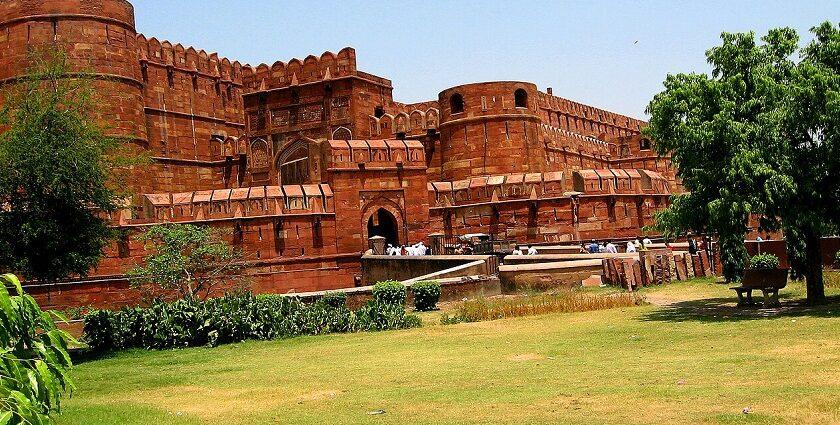 Bhuragarh Fort, tripxl
Sarnath : Sarnath, located near Varanasi in Uttar Pradesh, India, holds immense significance in Buddhism. It's the site where Siddhartha Gautama, the Buddha, delivered his first sermon after attaining enlightenment in Bodh Gaya, setting in motion the "Wheel of Dharma." The Deer Park in Sarnath is where he first taught the Four Noble Truths and the Eightfold Path to his initial five disciples, forming the first Sangha (Buddhist community). Emperor Ashoka further developed Sarnath, erecting stupas and pillars that showcased Buddhist principles. Today, Sarnath is a major pilgrimage site, attracting Buddhists from around the world to visit the Dhamek Stupa, Ashoka Pillar, and various monasteries, immersing themselves in the birthplace of Buddhist teachings.
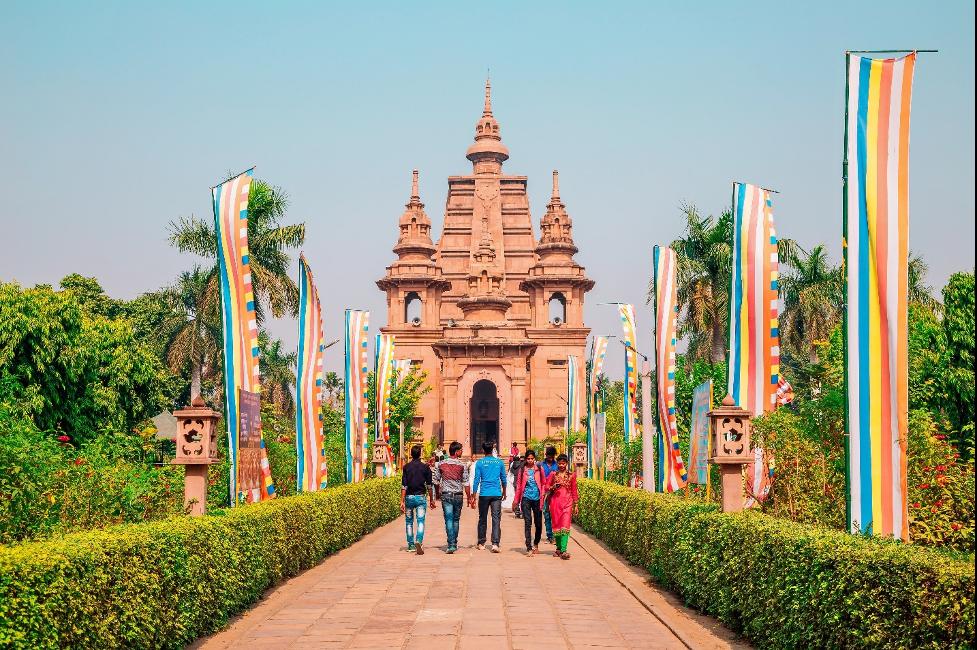 Sarnath, Livefreehostels
Chandrashekhar Azad Park : Chandrashekhar Azad Park, located in Prayagraj, Uttar Pradesh, holds significant historical importance in India's freedom struggle. Formerly known as Alfred Park, it was renamed in honor of the revolutionary Chandrashekhar Azad, who sacrificed his life here in 1931 during a fierce encounter with the British police. The park is a sprawling green space with lush lawns, gardens, and historical monuments, including the Victoria Memorial and the statue of Queen Victoria. The site where Azad breathed his last is marked by a memorial, making it a pilgrimage for patriots and a poignant reminder of India's fight for independence. The park continues to be a popular recreational spot and a symbol of courage and sacrifice.
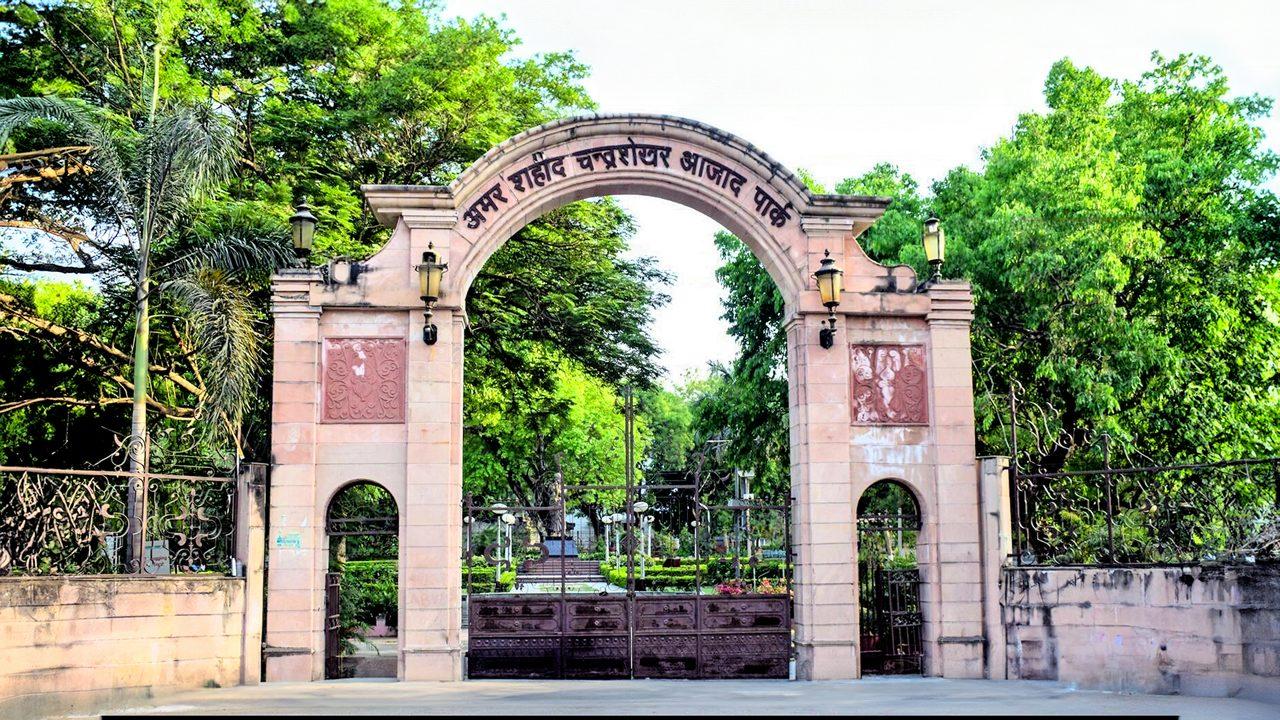 Chandrashekhar Azad Park, Incredibleindia
Road Conditions, Lane Expansion & Infrastructure
Road conditions, lane expansions, and infrastructure improvements are critical components of a well-functioning transportation system. Maintaining existing roads in good repair ensures safety, reduces vehicle wear and tear, and improves traffic flow. Poor road conditions, such as potholes and cracks, can lead to accidents and delays. Regularly scheduled maintenance, including resurfacing, patching, and crack sealing, are essential for preserving the lifespan of roadways. Simultaneously, lane expansions and infrastructure upgrades are necessary to accommodate growing populations and increasing traffic volumes. These projects can include adding new lanes to existing roads, constructing new highways and bridges, and implementing intelligent transportation systems (ITS) to optimize traffic management.
- Road Conditions : Regular Maintenance prevents accidents, reduces vehicle wear, and improves traffic flow.
- Lane Expansions: Accommodate growing populations and increasing traffic volumes, reducing congestion.
- Infrastructure Upgrades : New highways and bridges enable better mobility.
- Intelligent Transportation Systems : Optimizes traffic management.
Investing in road maintenance, lane expansions, and infrastructure upgrades not only enhances mobility and accessibility but also stimulates economic growth. Improved transportation infrastructure facilitates the movement of goods and services, connects communities, and creates job opportunities. These investments are essential for supporting sustainable development and ensuring the long-term viability of our transportation networks. Furthermore, prioritizing these projects can reduce travel times, lower transportation costs, and improve overall quality of life for residents.

explore further
Latest from Editorials
More from Publications
Resources


