





Table of Contents
- Introduction to National Highway 45
- Route Connectivity and Major Locations
- Economic Significance of National Highway 45
- Famous Places Around National Highway 45
- Future Growth Prospects of NH 45
- Conclusion
- Faq's
Introduction to National Highway 45
National Highway 45 is an important roadway in India that has historically played a key role in connecting major urban, cultural, and economic centers, especially in the southern part of the country. Known for linking coastal regions with interior districts, this highway has supported trade, tourism, and daily commuting for decades. Over time, parts of National Highway 45 have been upgraded, widened, and in some cases renumbered under the national highway rationalization program, but its original alignment continues to influence regional connectivity. The highway passes through diverse landscapes, including industrial zones, agricultural belts, and densely populated towns, making it vital for both passenger and commercial traffic. Its strategic importance lies in enabling smooth movement of goods such as agricultural produce, textiles, and industrial materials, thereby strengthening local and regional economies. From an infrastructure perspective, National Highway 45 has seen steady improvements to enhance safety, reduce travel time, and handle increasing traffic volumes. Flyovers, bypasses, service roads, and improved junction designs have been introduced along key stretches to ease congestion and support faster transit.
The highway also improves access to educational institutions, healthcare facilities, religious destinations, and tourist attractions located along its route. For real estate and urban development, areas near National Highway 45 have experienced growth due to better accessibility and rising demand for residential and commercial projects. Overall, National Highway 45 stands as a significant transport corridor that has contributed to economic development, urban expansion, and regional integration, making it an enduring part of India's road network even as newer highways emerge.
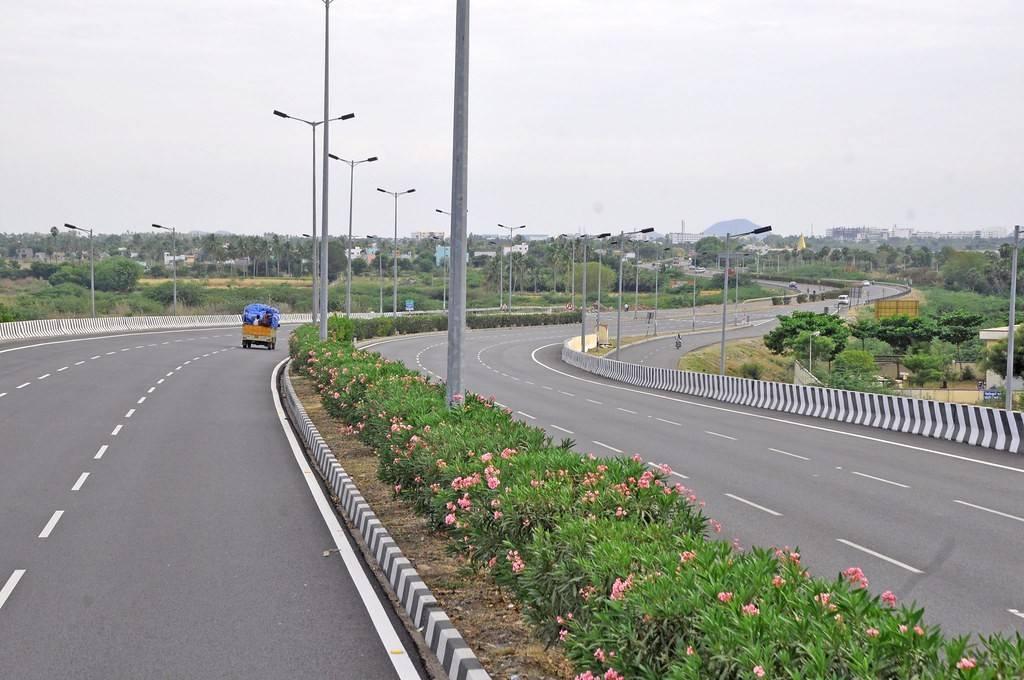
Route Connectivity and Major Locations
National Highway 45 plays an important role in connecting key regions of Madhya Pradesh with Chhattisgarh, supporting smooth inter-state movement and regional development. The highway passes through strategic districts of central India, linking important towns, industrial pockets, and agricultural belts. In Madhya Pradesh, NH 45 connects major urban and semi-urban centers, improving access to markets, healthcare, and educational hubs. The route acts as a vital corridor for daily commuters as well as long-distance travelers, reducing travel time between interior regions and state borders. Its connectivity also strengthens links with other national and state highways, making it easier for vehicles to move toward eastern and southern India. Overall, NH 45 enhances regional mobility and supports balanced infrastructure growth across central India. As the highway enters Chhattisgarh, NH 45 connects prominent towns and growth centers that contribute significantly to trade, mining, and agriculture.
The route provides seamless access to local markets, industrial areas, and nearby highways leading to major cities such as Raipur and Bilaspur. Several towns along the corridor benefit from improved logistics, boosting the movement of goods like minerals, forest produce, cement, and agricultural products. NH 45 also supports passenger transport by improving connectivity to bus terminals, railway junctions, and nearby tourist destinations. With ongoing upgrades, better road surfaces, and safety improvements, the highway continues to strengthen economic ties between Madhya Pradesh and Chhattisgarh. Its strategic route connectivity makes NH 45 a crucial link for regional trade, travel, and long-term development in both states.
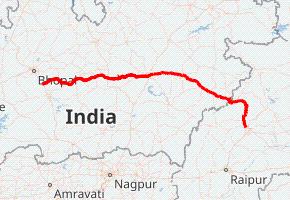 NH 45, Wikipedia
Economic Significance of National Highway 45
National Highway 45 plays a crucial role in strengthening the economic framework of central India by connecting key regions of Madhya Pradesh with Chhattisgarh. This highway acts as an important transport corridor for agricultural produce such as rice, wheat, pulses, and oilseeds, enabling farmers to access larger markets with reduced travel time and lower logistics costs. The improved road connectivity also supports the movement of forest-based products, minerals, and construction materials, which are significant contributors to the regional economy. By linking rural belts with urban and industrial centers, NH 45 encourages balanced regional development and helps integrate local economies into the national supply chain.
In addition to trade and agriculture, National Highway 45 significantly boosts industrial growth, employment, and investment opportunities in both states. Industrial clusters, small-scale manufacturing units, and warehousing facilities along the corridor benefit from smoother freight movement and better access to ports, railheads, and consumption hubs. The highway also supports tourism-related economic activity by improving access to cultural sites, wildlife reserves, and pilgrimage destinations across Madhya Pradesh and Chhattisgarh. Enhanced connectivity leads to the growth of roadside businesses, logistics parks, fuel stations, and service sectors, generating local employment and improving livelihoods. Overall, NH 45 acts as a catalyst for economic integration, fostering sustainable development, trade expansion, and long-term economic stability in the region.
Famous Places Around National Highway 45
Marble Rocks is a stunning natural gorge located near Jabalpur in Madhya Pradesh, India, renowned for its towering white and gray marble cliffs carved by the Narmada River. Stretching for about three kilometers, the rocks rise dramatically up to 100 feet, creating a breathtaking landscape that changes color with sunlight. A boat ride through the narrow canyon offers mesmerizing views of smooth marble formations, caves, and reflections on the calm waters. Popular among tourists, photographers, and nature lovers, Marble Rocks is also close to the famous Dhuandhar Falls, making it a must-visit destination for scenic beauty and geological wonder.

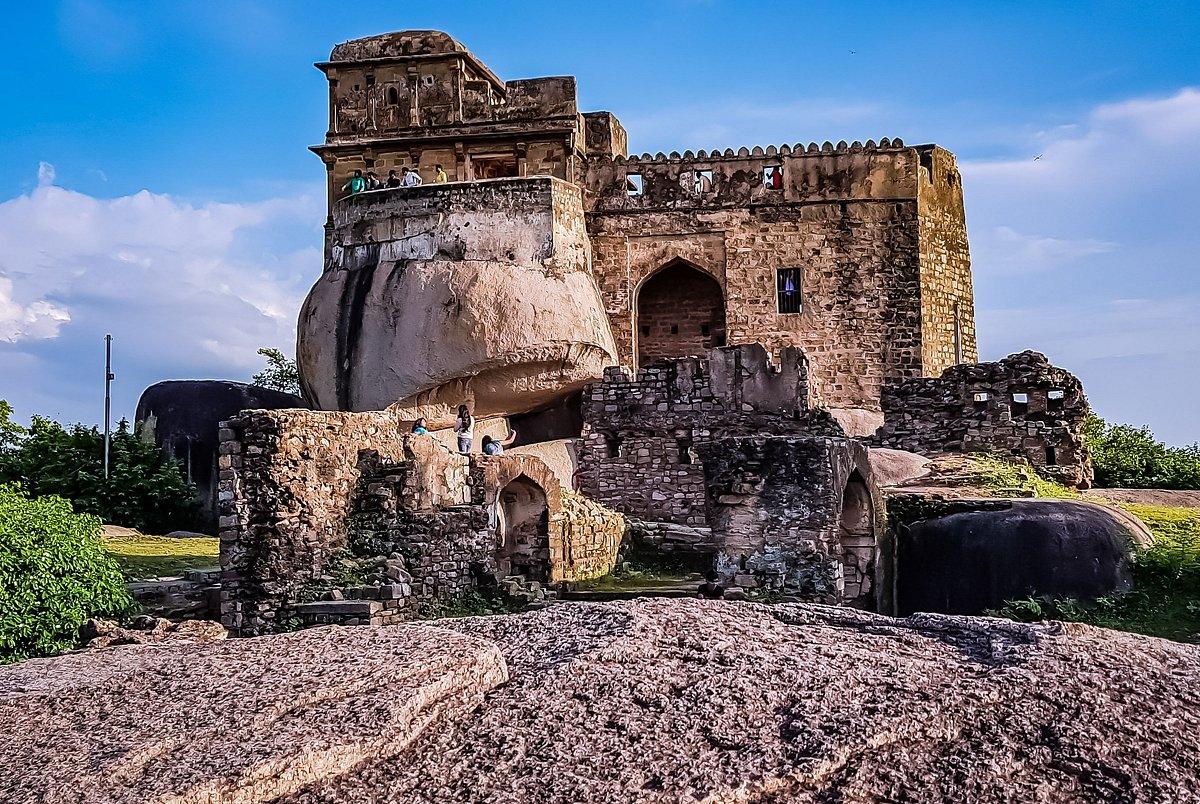
Madan Mahal Fort is a historic hilltop fort located in Jabalpur, Madhya Pradesh, known for its strategic position and architectural simplicity. Built in the 11th century by the Gond ruler Raja Madan Shah, the fort reflects the military strength and planning of the Gond dynasty. Perched on a rocky hill, it offers panoramic views of Jabalpur city and the surrounding landscape. The fort features narrow passages, small chambers, water storage systems, and watchtowers designed for defense rather than luxury. Today, Madan Mahal Fort stands as an important heritage site, attracting history lovers, tourists, and photographers interested in central India's rich cultural past.
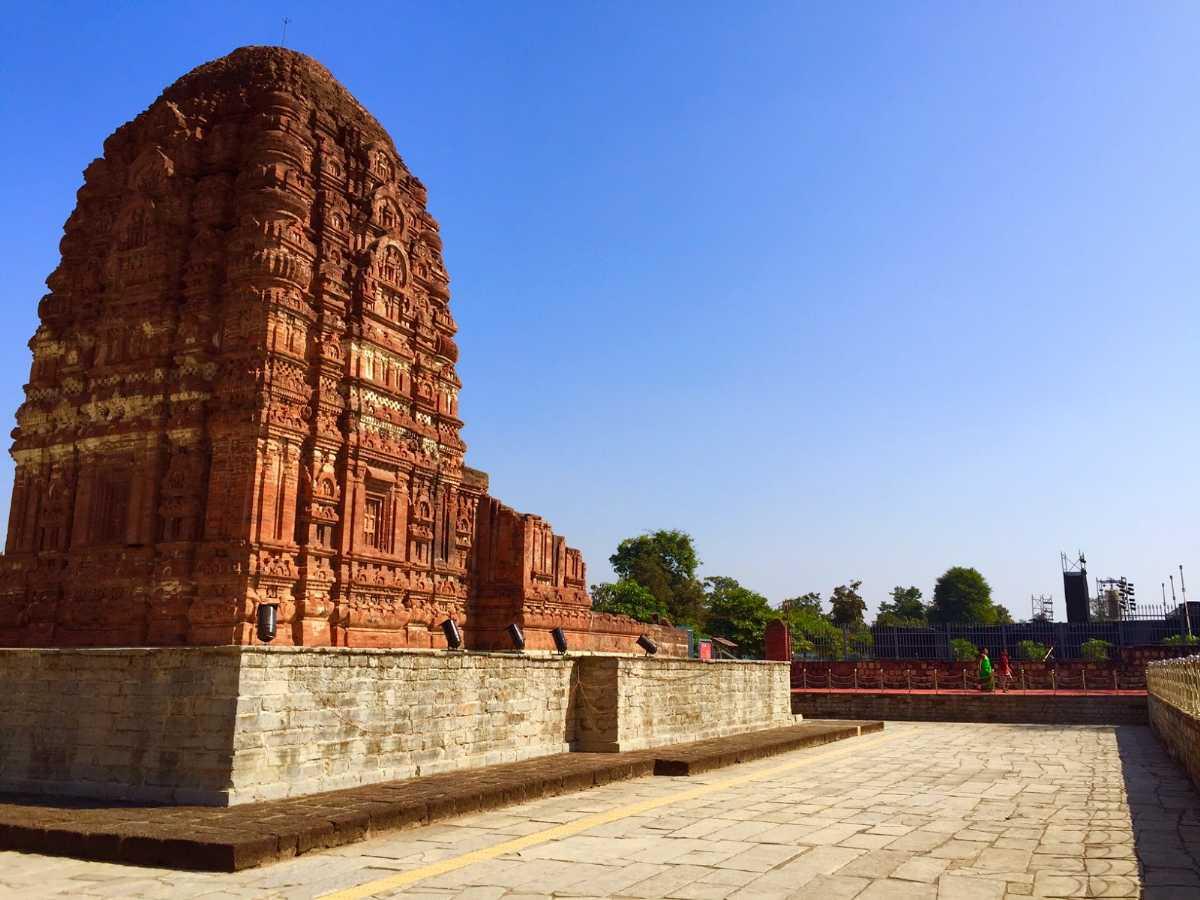
Didneswari Temple is a revered Hindu shrine known for its spiritual calm and cultural significance. Dedicated to Goddess Didneswari, the temple attracts devotees who seek blessings, peace, and inner strength. The surroundings are simple yet serene, creating a soothing atmosphere for prayer and meditation. Daily rituals, aarti, and special celebrations during festivals add to its devotional charm. The temple also reflects traditional architecture, highlighting local religious heritage. Visitors often experience a deep sense of faith and positivity while spending time here. Didneswari Temple stands as an important spiritual landmark, preserving age-old beliefs and offering a quiet space for devotion and reflection.
Future Growth Prospects of NH 45
- Infrastructure Development: The National Highway 45 (NH 45) is a crucial roadway that connects major urban centers. Future growth prospects hinge on ongoing infrastructure projects aimed at enhancing road quality, widening lanes, and improving connectivity. Investments in smart highway technologies will further boost efficiency.
- Economic Corridor Integration: NH 45 is expected to enhance its significance as part of national and regional economic corridors. By facilitating trade and movement of goods, it will aid in regional economic development, driving increased commercial activities along its route.
- Industrial Growth: Given its strategic location, NH 45 will likely attract industries, particularly logistics and manufacturing, leading to the establishment of new industrial zones. Government initiatives promoting Make in India could be pivotal in this growth, contributing to job creation and local economies.
- Tourism and Connectivity: The highway's proximity to tourist destinations will promote tourism growth. Future initiatives may focus on improving facilities and services along the route, boosting local businesses and hospitality sectors, thereby enhancing revenue streams for local governments.
- Public Transport Enhancement: Plans to upgrade and expand public transport systems, including bus rapid transit and freight corridors, are anticipated. This will make NH 45 a vital artery for commuters, encouraging sustainable travel and reducing traffic congestion.
- Environmental and Safety Measures: Future developments are likely to incorporate eco-friendly practices and enhanced safety measures. This includes constructing pedestrian pathways, green zones, and proper signage to ensure safety and sustainability.
- Technological Advances: Advancements such as electronic toll collection and real-time traffic monitoring will optimize traffic flow and minimize congestion. This integration of technology will position NH 45 as a modern, efficient transport corridor.
Conclusion
National Highway 45 is more than just a road; it is a growth corridor connecting Madhya Pradesh and Chhattisgarh. With strong economic, agricultural, and logistical significance, the highway supports regional development and national integration. Improved infrastructure, better connectivity, and expanding opportunities along NH 45 make it a crucial asset for Central India's future progress.

explore further
Latest from Editorials
More from Publications
Resources


