




Table of Contents
- Introduction to National Highway 49
- The Route of NH 49 A Detailed Overview
- Economic Importance of NH 49
- Tourism and Cultural Connectivity
- Conclusion
- Faq's
Introduction to National Highway 49
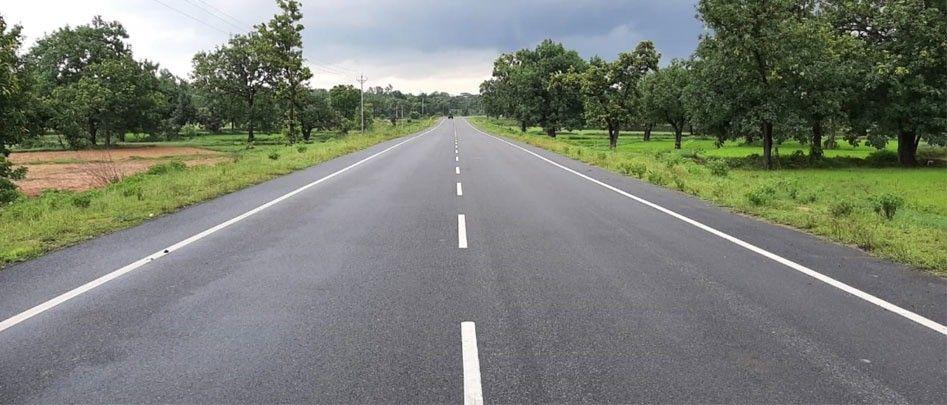
National Highway 49 is an important roadway that connects the eastern and central parts of India, running from Chhattisgarh to West Bengal. This highway plays a key role in improving regional connectivity by linking industrial towns, mining belts, agricultural regions, and emerging urban centers along its route. NH 49 passes through strategically important areas that support coal mining, steel production, power generation, and forest-based industries, making it vital for economic growth. The highway also helps reduce travel time between states by providing a smoother and more direct transport corridor for goods and passengers. Its alignment supports both national and state-level transportation needs, strengthening trade links between inland regions and eastern ports.
From a development perspective, National Highway 49 contributes significantly to social and infrastructure growth in Chhattisgarh and West Bengal. Improved road connectivity has boosted access to education, healthcare, and employment opportunities for nearby towns and rural communities. The highway has encouraged the development of logistics hubs, warehouses, and roadside commercial activities, supporting local livelihoods. It also improves connectivity to rail networks and other national highways, enhancing multimodal transport efficiency. With ongoing upgrades such as road widening, better signage, and safety improvements, NH 49 is evolving into a reliable and efficient transport corridor. Overall, National Highway 49 stands as a crucial link that supports economic integration, regional development, and smoother inter-state travel between Chhattisgarh and West Bengal.
 NH 49, Godigit
The Route of NH 49 A Detailed Overview
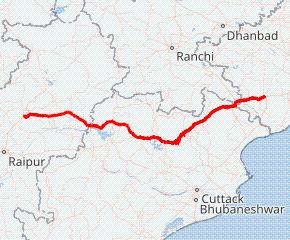
National Highway 49 is an important east-west transport corridor that enhances connectivity between Chhattisgarh and West Bengal, playing a key role in regional trade, mobility, and economic integration. Starting in central India, NH 49 passes through mineral-rich and industrially significant regions of Chhattisgarh before entering the eastern state of West Bengal. In Chhattisgarh, the highway connects key towns and rural clusters, supporting the movement of agricultural produce, forest resources, and industrial goods. The route improves access to interior areas, linking them with larger cities and logistics hubs. NH 49 also intersects with other national and state highways, strengthening the overall road network and reducing travel time for both passenger and freight vehicles. Its alignment supports industrial corridors, especially those linked to mining, power generation, and manufacturing activities common in this belt. As NH 49 enters West Bengal, it becomes a vital connector for trade and commerce, linking inland regions to major urban and economic centers of the state.
The highway facilitates smoother movement of goods toward ports, markets, and industrial zones, thereby boosting economic activity. Improved road infrastructure along NH 49 has led to better connectivity for local communities, increased access to education and healthcare, and growth in roadside commercial development. The route also supports inter-state travel, making passenger movement more efficient between eastern and central India. With ongoing upgrades, widening projects, and safety improvements, NH 49 is gradually transforming into a modern highway corridor. Overall, the NH 49 route from Chhattisgarh to West Bengal serves as a strategic artery that promotes balanced regional development, strengthens supply chains, and contributes significantly to long-term economic growth across both states.
 NH 49, Wikipedia
Economic Importance of NH 49
National Highway 49 (NH 49), which has now been renumbered as NH 47 and NH 85, played a crucial role in the economic development of the regions it traversed. Connecting Kochi in Kerala to Rameswaram in Tamil Nadu, this highway acted as a vital artery for trade, tourism, and overall economic activity. Here's a step-wise breakdown of its economic importance:
Enhanced Connectivity and Reduced Transportation Costs:
- Connecting Manufacturing Hubs: NH 49 (now NH 47 and NH 85) provided a crucial link between industrial and agricultural regions. For instance, Kochi, a major manufacturing and port city, was connected to inland areas rich in agricultural produce and other raw materials.
- Efficient Transportation: The highway facilitated the efficient and faster movement of goods and people. Before its development, transportation relied heavily on slower and less reliable methods. The highway streamlined logistics, reducing transit times and transportation costs significantly.
- Reduced Spoilage: Improved connectivity minimized spoilage of perishable goods like fruits, vegetables, and seafood. Farmers and producers gained access to wider markets, reducing post-harvest losses and increasing their income.
Boosting Agricultural Trade and Rural Economy:
- Market Access for Farmers: The highway provided direct access to urban markets for farmers in the surrounding rural areas. This access allowed them to sell their produce at better prices, improving their livelihoods and overall economic stability.
- Input Supply for Agriculture: The efficient movement of agricultural inputs such as fertilizers, seeds, and pesticides was facilitated by the highway. This ensured that farmers had access to the necessary resources for improved crop yields and productivity.
- Agro-Processing Industries: The improved connectivity spurred the growth of agro-processing industries along the highway corridor. This added value to agricultural products, creating employment opportunities and contributing to the rural economy.
Promoting Tourism and Related Industries:
- Accessibility to Tourist Destinations: NH 49 (now NH 47 and NH 85) connected various tourist attractions in Kerala and Tamil Nadu, including hill stations, pilgrimage sites, and historical landmarks. The highway made these destinations more accessible to both domestic and international tourists.
- Growth of Hospitality Sector: Increased tourist footfall led to the development of hotels, restaurants, guesthouses, and other hospitality services along the highway. This sector generated employment opportunities and contributed significantly to the local economies.
- Support for Ancillary Services: The tourism boom also benefited ancillary services like transportation, travel agencies, and souvenir shops. These businesses thrived due to the increased demand from tourists.
Tourism and Cultural Connectivity
Jatmai Temple: Jatmai Temple, nestled amidst the verdant forests of Gariabandh district in Chhattisgarh, is a renowned Hindu shrine dedicated to Goddess Jatmai. Carved out of a massive natural rock formation, the temple's most striking feature is the captivating rock structure resembling a giant serpent hood. Pilgrims and tourists alike flock to this sacred site to admire the unique architecture, seek blessings from the deity, and bask in the serene ambiance. The temple is especially popular during Navratri, when vibrant festivities and cultural performances fill the air, attracting devotees from far and wide. Jatmai Temple stands as a testament to the harmonious blend of nature and spirituality in Chhattisgarh.
 Jatmai temple, Wikipedia
Conclusion
National Highway 49 from Chhattisgarh to West Bengal is a vital infrastructure asset that supports economic growth, industrial development, agriculture, tourism, and regional connectivity. By linking resource-rich regions with major markets, NH 49 contributes to balanced development and improved quality of life. Continued investment and modernization will further enhance its role as a reliable transport corridor, ensuring long-term benefits for businesses, travelers, and local communities across eastern India.

explore further
Latest from Editorials
More from Publications
Resources


