




Table of Contents
- Introduction to NH 22
- Detailed Route and Key Cities Along NH-22
- Safety Considerations and Precautions While Traveling on NH-22
- Attractions and Places to Visit Near NH-22 in Bihar and Jharkhand
- Future Development Plans
- Conclusion
- Faq's
Introduction to NH 22
National Highway 22 (NH-22) stands as a crucial artery in the infrastructural network of Eastern India, seamlessly connecting the states of Bihar and Jharkhand. More than just a stretch of asphalt and concrete, NH-22 represents a lifeline, facilitating the movement of people, goods, and ideas between these two historically and culturally rich regions. Its significance extends beyond mere transportation; it serves as a catalyst for economic growth, social integration, and regional development. Understanding the nuances of NH-22 - its route, the cities it connects, its current condition, and the overall travel experience it offers - is essential for anyone planning a journey through this part of India, or for businesses relying on its efficiency for trade and logistics. The very existence of NH-22 underscores the importance of well-maintained and strategically planned national highways in a country like India, where road transport remains the dominant mode of movement for both passengers and freight. Prior to its establishment and subsequent improvements, travel between Bihar and Jharkhand, especially in certain remote areas, was often arduous and time-consuming.
The presence of NH-22 has dramatically reduced travel times, making it easier for people to access healthcare, education, and employment opportunities in neighboring regions. Furthermore, the highway plays a vital role in connecting agricultural areas to urban markets, enabling farmers to sell their produce more efficiently and at better prices. This, in turn, contributes to rural livelihoods and strengthens the overall agricultural economy of both states. The strategic importance of NH-22 also extends to national security.
Detailed Route and Key Cities Along NH-22
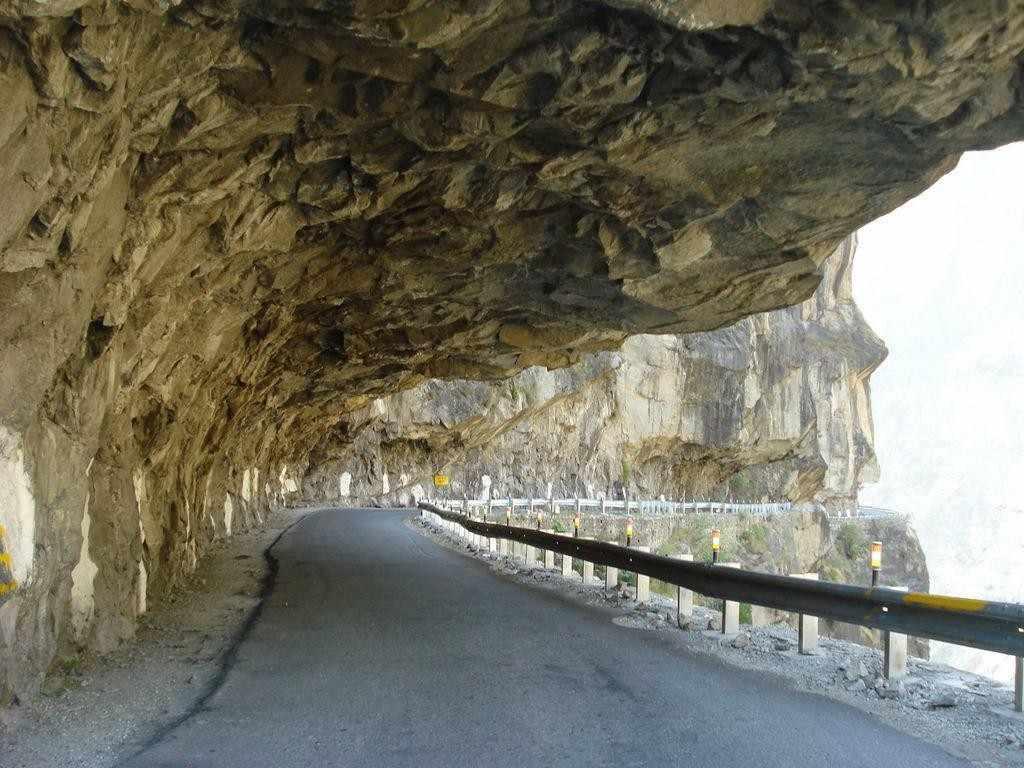
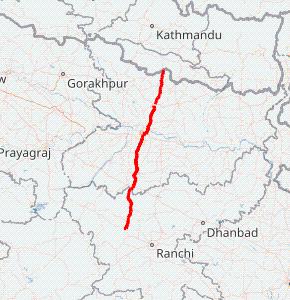
National Highway 22 (NH-22) in Bihar and Jharkhand connects important urban centers and facilitates regional connectivity. Starting in Bihar, the highway originates near Chhapra, a key city known for its historical significance and agricultural trade. It then proceeds through Siwan, another important town serving as a regional hub for commerce and transportation. Crossing into Jharkhand, NH-22 reaches Daltonganj, a significant city and the district headquarters of Palamu, known for its proximity to Betla National Park.
The highway continues towards Ranchi, the capital city of Jharkhand and a major industrial and commercial center. Ranchi is a pivotal junction connecting NH-22 to other major highways, facilitating travel to various parts of the state and beyond. Throughout its course, NH-22 supports the transportation of goods and people, contributing to the economic development of the regions it traverses, linking agricultural areas with urban markets and industrial zones. The highway is crucial for accessing educational institutions, healthcare facilities, and tourist destinations in both Bihar and Jharkhand.
Safety Considerations and Precautions While Traveling on NH-22
Safety should be the top priority when traveling on any national highway, and NH-22 is no exception. Several factors can impact safety, including road conditions, traffic density, weather, and the driver's own skills and awareness. Taking appropriate precautions can significantly reduce the risk of accidents and ensure a safe journey.
Key Safety Considerations:
- Road Awareness: Be constantly aware of your surroundings. Pay attention to traffic signs, road markings, and other vehicles. Anticipate potential hazards and be prepared to react quickly.
- Defensive Driving: Practice defensive driving techniques. This means being proactive in avoiding accidents, rather than simply reacting to them. Maintain a safe following distance, scan the road ahead for potential hazards, and be prepared to brake or swerve if necessary.
- Overtaking: Overtake other vehicles only when it is safe to do so. Ensure that you have a clear view of oncoming traffic and that there is sufficient space to complete the maneuver safely. Avoid overtaking on blind corners or hills.
- Vehicle Maintenance: Ensure that your vehicle is properly maintained and in good working condition. This includes checking the tires, brakes, lights, and fluids regularly. A well-maintained vehicle is less likely to break down or experience mechanical problems on the road. Tire Pressure Overinflating/underinflating may lead to poor road grip. Ensure you have the correct pressure.
- Speed Limits: Adhere to speed limits and drive at a safe speed for the prevailing conditions. Speed limits are posted for a reason, and exceeding them can significantly increase the risk of accidents.
- Night Driving: Avoid driving at night if possible. Visibility is reduced at night, and the risk of accidents is higher. If you must drive at night, drive slowly and use your headlights and fog lights.
Attractions and Places to Visit Near NH-22 in Bihar and Jharkhand
Bihar Attractions near NH-22:
- Bodh Gaya: One of the most important Buddhist pilgrimage sites in the world, Bodh Gaya is where Lord Buddha attained enlightenment under the Bodhi tree. The Mahabodhi Temple, a UNESCO World Heritage Site, is a must-visit. Consider staying here for one night to explore the temple and learn about Buddhism.
- Gaya: An ancient city with significant historical and religious importance, Gaya is a major pilgrimage center for Hindus and Buddhists. The Vishnupad Temple, dedicated to Lord Vishnu, is a prominent attraction.
- Barabar Caves: These ancient rock-cut caves are some of the oldest in India, dating back to the Mauryan Empire. They are known for their intricate carvings and echo chambers.
Jharkhand Attractions near NH-22:
- Hazaribagh National Park: A haven for wildlife enthusiasts, Hazaribagh National Park is home to tigers, leopards, deer, and a variety of bird species. Consider doing a short trek and enjoying natural flora and fauna.
- Ranchi: The capital city of Jharkhand, Ranchi offers a mix of urban attractions and natural beauty. Key attractions include the Hundru Falls, Jonha Falls, and the Jagannath Temple.
- Netarhat: Known as the "Queen of Chotanagpur," Netarhat is a hill station offering panoramic views, waterfalls, and lush greenery. This might require a significant detour]. Chatra: [If there are any local attractions in or near Chatra, list them here. This could include temples, historical sites, or natural areas].
- Rajrappa Temple: This temple, dedicated to Goddess Chinnamasta, is a significant pilgrimage site. The temple is situated at the confluence of the Damodar and Bhairavi rivers.
Future Development Plans
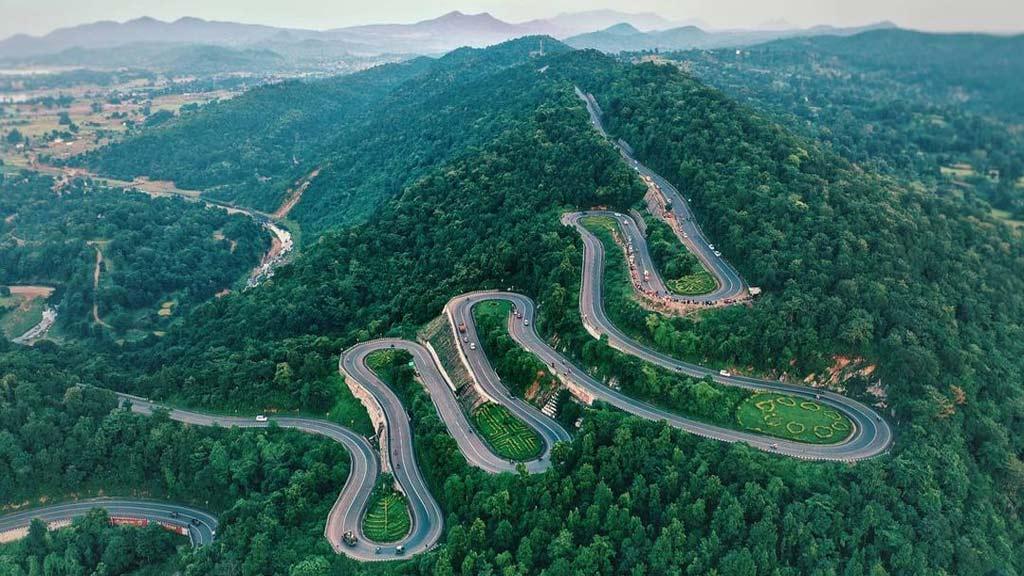
- Widening and Upgrading: There are plans to widen and upgrade NH-22 to improve its capacity and reduce congestion. This will involve adding more lanes, improving road surfaces, and constructing new bridges and flyovers.
- Improved Safety Features: Efforts are being made to improve the safety features of NH-22, including installing better signage, reflectors, and guardrails. This will help to reduce the risk of accidents and improve the overall safety of the highway.
- Better Maintenance: The government is committed to improving the maintenance of NH-22. Regular maintenance and repairs will ensure that the highway remains in good condition and that it is safe and efficient for all users.
- Green Initiatives: There are plans to implement green initiatives along NH-22, such as planting trees and promoting eco-tourism. This will help to protect the environment and to promote sustainable development.
- Connectivity to other Highways: There are plans to improve the connectivity of NH-22 to other national highways and state highways. This will create a more integrated transportation network and will facilitate the movement of goods and people across the region.
Conclusion
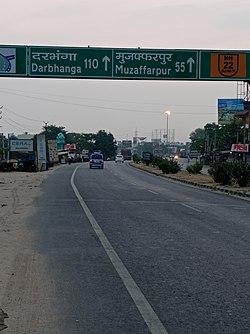
National Highway 22 (NH-22) serves as a vital link between Bihar and Jharkhand, enhancing connectivity and fostering economic growth in the region. This highway facilitates the movement of goods and people, significantly contributing to the socio-economic development of both states. It plays a critical role in supporting trade by connecting rural areas to urban markets, thus improving access to essential services and opportunities for local populations. Additionally, NH-22 is pivotal for tourism, allowing easier access to scenic landscapes and cultural heritage sites, thereby boosting local economies through increased visitor spending

explore further
Latest from Editorials
More from Publications
Resources


