





Table of Contents
- Introduction
- History of Patna Airport
- Infrastructure and Facilities at Patna Airport
- Airlines and Connectivity
- Patna Airport Expansion: Latest Updates (2025)
- Challenges at Patna Airport
- Bihta Airport: A Long-Term Solution
- Metro Connectivity to Patna Airport
- Environmental and Cultural Initiatives
- Conclusion
- Faq's
Introduction
Patna Airport, officially known as Lok Nayak Jayaprakash Narayan International Airport (IATA: PAT), is Bihar's primary aviation hub. Located just 5 km southwest of Patna's city center, it connects Bihar to major cities across India and will soon offer international connectivity.
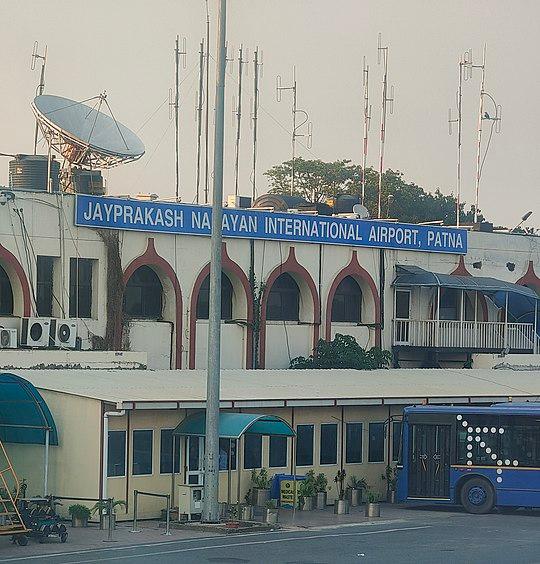 Patna Airport, Wiki
Named after the revered freedom fighter Jayaprakash Narayan, the airport has witnessed rapid passenger growth, making it one of the busiest airports in India. As a result, a massive expansion project is underway to enhance capacity, improve passenger experience, and introduce modern aviation infrastructure.
This article covers Patna Airport's history, facilities, airlines, metro connectivity, latest expansion updates, and future developments.
History of Patna Airport
Established in 1973, Patna Airport initially served a limited number of domestic flights. Over time, as Bihar's economic and tourism sectors grew, the demand for air travel surged, leading to congestion issues.
The airport has continuously evolved, but its short runway and limited terminal space have restricted its ability to operate larger aircraft. To address this, the Airports Authority of India (AAI) and the Bihar government launched a comprehensive expansion project.
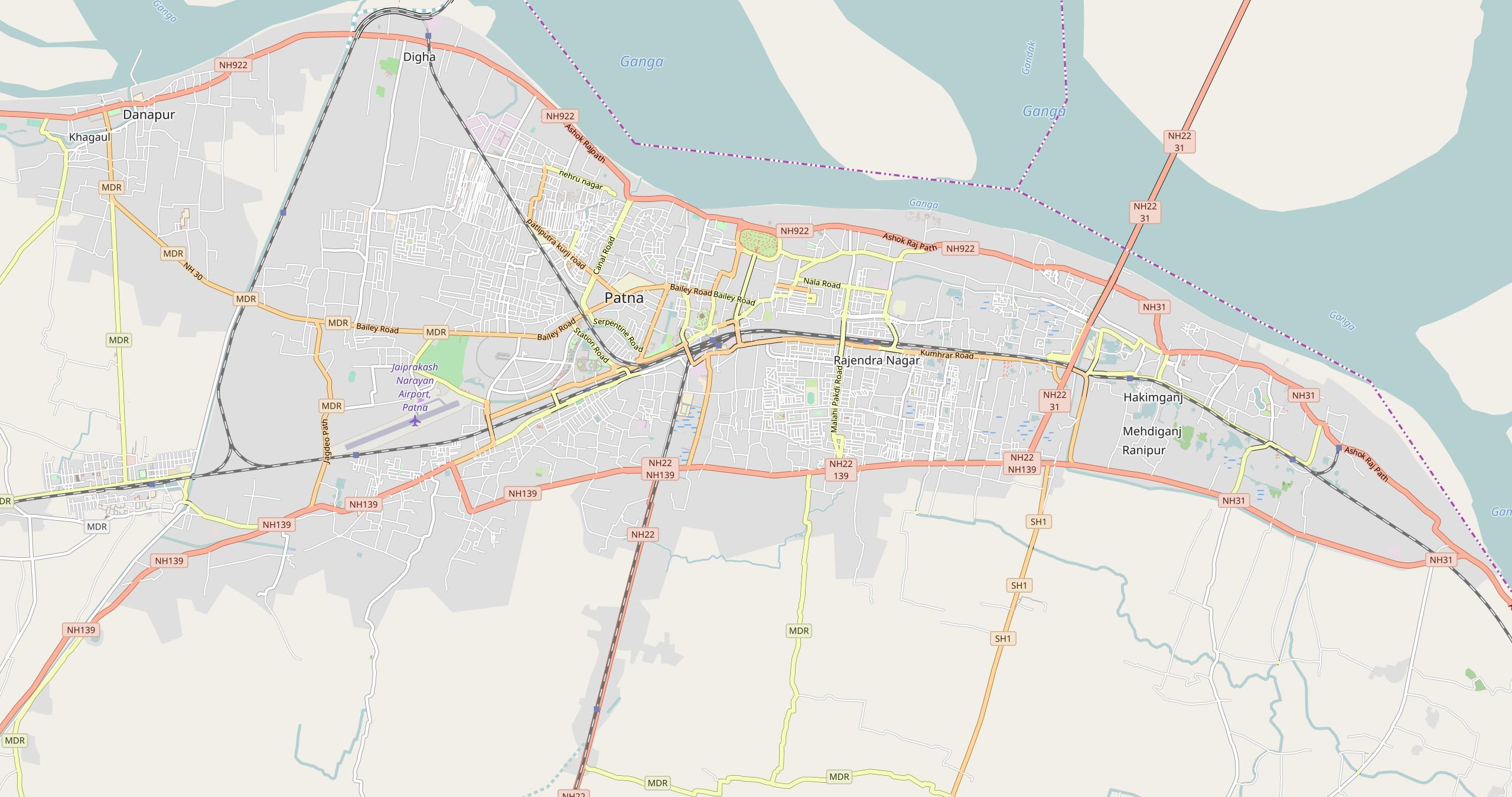 Patna Map, Wiki
Also Read: Kalaburagi Airport: Empowering Growth and Connectivity in North Karnataka
Infrastructure and Facilities at Patna Airport
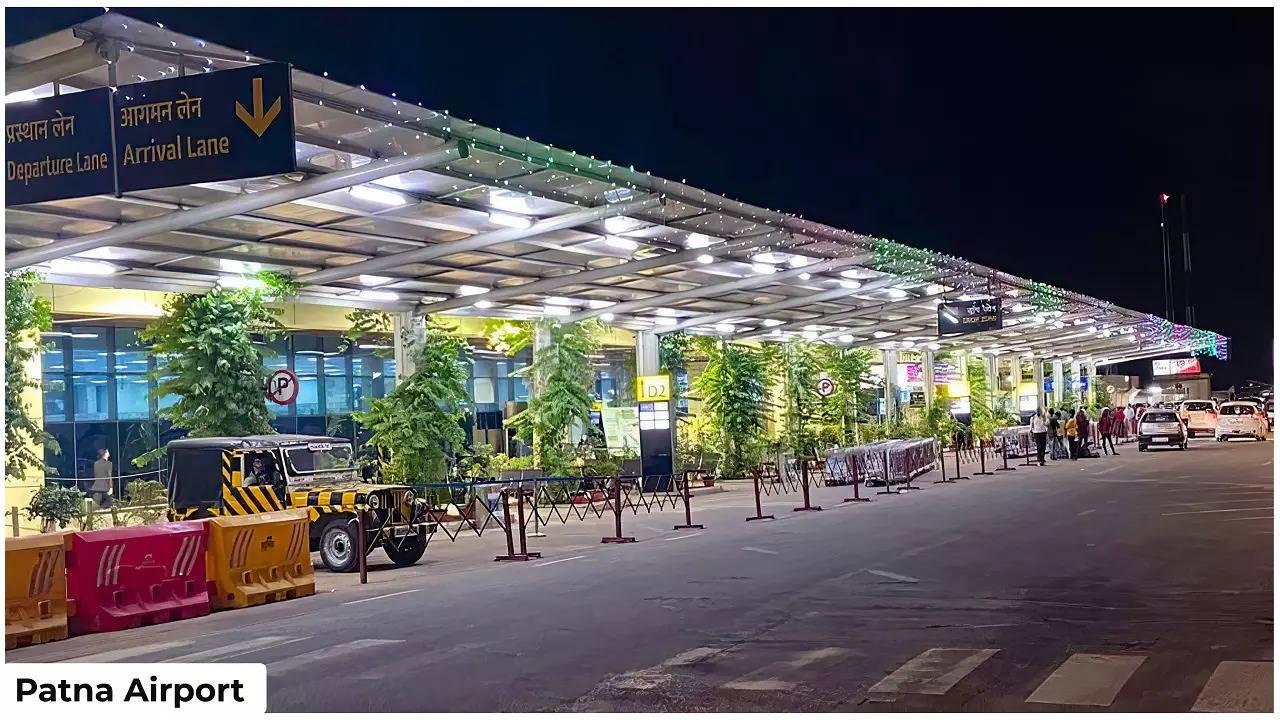 Patna Airport Facilities, TOI
Currently, Patna Airport spans 245 acres and is undergoing significant upgrades to enhance passenger experience, improve operational efficiency, and accommodate increasing air traffic. Below are the key infrastructure features and facilities available at the airport.
1. Runway
Patna Airport has a single 2,072-meter-long asphalt runway, which limits the operations of wide-body aircraft such as Boeing 777s and Airbus A330s. Due to space constraints, there are currently no plans for a second runway.
A parallel taxi track is under construction to improve aircraft movement and reduce runway congestion, making flight operations more efficient.
2. Terminal Building
The existing terminal covers 12,000 square meters and handles approximately 3 million passengers annually.
With air traffic increasing rapidly, a new terminal spanning 65,155 square meters is being developed to handle up to 10 million passengers per year.
Modernization features include:
- Expanded check-in counters and security check lanes for faster processing
- Additional aerobridges for smooth boarding and deboarding
- Advanced baggage handling systems to speed up luggage clearance
3. Passenger Amenities
Lounges and Waiting Areas
The existing passenger lounges have been upgraded with comfortable seating, charging stations, and Wi-Fi access. A new VIP lounge and business-class lounge are part of the expansion project.
Baggage Claim Systems and Check-in Counters
Advanced baggage handling and automated check-in kiosks are being introduced to reduce waiting times.
Currency Exchange and Banking Services
Several currency exchange counters and ATM kiosks are available for domestic and international passengers. Once international flights resume, more foreign exchange counters will be added.
Medical Services
A 24x7 medical emergency unit with trained professionals is available at the terminal. New first-aid stations and pharmacies are being added for passenger convenience.
Retail Outlets and Food Courts
The airport houses several duty-free stores, souvenir shops, and bookstores. Multiple restaurants, cafes, and snack bars are available, with additional dining options planned for the new terminal.
4. Security and Air Traffic Control (ATC)
Surveillance and Security Upgrades
CCTV cameras with AI-based monitoring have been installed across the airport for enhanced security. Automated baggage screening and biometric access control systems are being implemented to speed up security checks.
Air Traffic Control (ATC) Facilities
The ATC tower is equipped with advanced radar systems, real-time flight monitoring, and digital communication technology. The new expansion project includes enhanced air navigation systems, ensuring safer and more efficient air traffic management.
Challenges and Future Improvements
Runway Length Limitation: Since the 2,072-meter runway is relatively short, wide-body aircraft cannot operate at full load capacity. The development of Bihta Airport is being planned as an alternative aviation hub for handling larger aircraft and overflow traffic.
Limited Terminal Space: The existing terminal struggles with high passenger footfall during peak hours. The new terminal, expected to open in April 2025, will provide spacious waiting areas, better boarding facilities, and modernized services.
Traffic Congestion at Entry and Exit Points: Due to heavy vehicle traffic around the airport, passengers often face delays. The Patna Metro Rail project, set for completion by August 2025, will provide faster airport access and reduce road congestion.
Final Thoughts
The ongoing expansion and modernization of Patna Airport are set to enhance passenger comfort, improve flight operations, and make travel more efficient. With a new terminal, better passenger facilities, and an upgraded ATC system, the airport is gearing up to handle a growing number of domestic and international travelers while ensuring seamless operations and top-tier security.
Also Read: Agatti Airport: The Gateway to Lakshadweep's Tropical Paradise
Airlines and Connectivity
Patna Airport serves multiple domestic routes, connecting Bihar to major Indian cities, including:
- Delhi
- Mumbai
- Kolkata
- Bangalore
- Hyderabad
- Chennai
Major airlines operating from Patna Airport include:
- IndiGo
- Air India
- SpiceJet
- Akasa Air
- GoAir
International Flight Resumption (April 2025):
After a 26-year hiatus, international flights are set to resume at Patna Airport in April 2025. Proposed destinations include:
- Dubai
- Bangkok
- Singapore
- Kathmandu (Nepal)
Patna Airport Expansion: Latest Updates (2025)
 Meeting for future development of the airport, Wiki
The expansion of Patna Airport is one of the most significant infrastructure projects in Bihar's aviation sector. With increasing passenger traffic and growing demand for better facilities, the Airports Authority of India (AAI) is undertaking a major transformation project to enhance operational efficiency and passenger convenience. Below are the latest updates on the expansion, set to be completed by April 2025.
1. New Terminal Building
A state-of-the-art terminal covering 65,155 square meters is currently under construction and is expected to significantly enhance the airport's passenger handling capacity and operational efficiency.
Designed Capacity
- The new terminal will handle up to 10 million passengers annually, a significant increase from the current 3 million capacity.
- This expansion aims to meet Bihar's growing air travel demand over the next decade.
Peak Hour Handling
- The upgraded terminal is designed to accommodate 3,000 passengers during peak hours, ensuring smoother check-ins and reduced congestion.
- Additional check-in counters, immigration desks, and baggage claim areas will improve efficiency and reduce waiting times.
Aesthetic Design and Cultural Elements
- The architectural theme is inspired by the ancient ruins of Nalanda University, one of India's most prestigious educational institutions.
- The interiors will feature traditional Madhubani artwork, showcasing Bihar's rich cultural heritage.
- The new terminal will also include modern lighting, energy-efficient structures, and a sustainable design in line with global aviation standards.
2. Increased Aircraft Parking Capacity
- To accommodate the increasing number of flights, the existing 6 aircraft parking bays are being expanded to 11.
- With additional parking spaces, the airport will be able to handle more simultaneous arrivals and departures, reducing airside congestion and flight delays.
- The newly developed bays will support larger aircraft, allowing for future international flight operations.
3. Runway and Taxiway Upgrades
- A Parallel Taxi Track is being developed to improve aircraft movement and reduce runway congestion.
- This upgrade will allow for quicker turnaround times for arriving and departing flights, thereby enhancing overall airport efficiency.
- The upgraded taxiway system will ensure that flights spend less time on the ground, improving operational speed and passenger convenience.
4. Passenger Facilities and Upgrades
The expansion is not just about increased capacity, it is also focused on enhancing passenger comfort and convenience. The new terminal will offer:
Aerobridges for Seamless Boarding
- The terminal will have five aerobridges, allowing passengers to board directly from the terminal to the aircraft, reducing the need for shuttle buses on the tarmac.
- This upgrade will significantly improve the boarding experience, particularly for senior citizens, disabled passengers, and families.
Automated Baggage Carousels
- The new baggage handling system will include automated carousels, reducing waiting times for arriving passengers.
- Improved baggage tracking technology will ensure faster, safer, and more efficient luggage handling.
Luxury Lounges and Expanded Security Check Areas
- Premium business-class lounges and VIP waiting areas will be added to provide a comfortable experience for travelers.
- Additional security check lanes will help reduce congestion at peak hours, improving passenger movement efficiency.
- The immigration and customs area is also being expanded to handle international flights smoothly.
5. Completion Timeline
- As per the latest directives from the Airports Authority of India (AAI), the new terminal is expected to be fully operational by April 2025.
- Construction work is 85 percent complete as of February 2025, and the remaining infrastructure is being fast-tracked to meet the deadline.
- Once complete, the expansion will significantly improve passenger handling, reduce wait times, and provide world-class airport facilities.
Also Read: Amravati Airport Maharashtra: Status, Infrastructure, Facilities, Future Prospects and More
Challenges at Patna Airport
Despite the ongoing expansion and modernization efforts, Patna Airport continues to face several operational challenges. The airport's short runway of 2,072 meters limits the ability to accommodate wide-body aircraft, restricting direct long-haul international flights. Additionally, the airport is surrounded by dense urban development, leaving limited space for further expansion, which complicates efforts to extend the runway or add additional aviation infrastructure. Another significant challenge is passenger congestion, as the existing terminal struggles to efficiently manage the increasing volume of travelers, especially during peak hours. While the new terminal and parallel taxiway will help alleviate some of these issues, long-term solutions such as the development of Bihta Airport are necessary to ensure sustainable air traffic growth in Bihar.
Bihta Airport: A Long-Term Solution
To address congestion at Patna Airport and accommodate the growing demand for air travel, the Bihar government, in collaboration with the Airports Authority of India (AAI), is developing Bihta Airport, located approximately 20 kilometers west of Patna. Planned as a civil enclave within the Bihta Air Force Station, the airport is designed to handle larger aircraft and facilitate international flight operations that Patna Airport currently struggles to accommodate due to its short runway and space constraints. The airport will also serve as a secondary aviation hub, helping to manage the overflow traffic from Patna Airport, ensuring smoother air travel experiences for passengers. The Bihar government has already allocated funds for land acquisition and infrastructure development, setting the stage for Bihta Airport to become a crucial part of Bihar's long-term aviation strategy. Once operational, it will not only decongest Patna Airport but also boost regional connectivity, trade, and tourism, reinforcing Bihar's position as a growing air travel hub in India.
Also Read: Jewar Airport: Everything You Need To Know About Noida International Airport
Metro Connectivity to Patna Airport
To enhance accessibility and provide seamless transit options for passengers, the Patna Metro Rail Project is set to connect the airport with key city hubs. As part of this initiative, a 6.49-kilometer metro corridor, known as Metro Corridor II (Priority Corridor), will run from Patna Junction to the Inter-State Bus Terminal (ISBT), with a dedicated station at Patna Airport. This metro link is expected to be operational by August 15, 2025, significantly reducing travel time and easing traffic congestion around the airport. Additionally, future plans are under discussion to extend metro connectivity to Bihta Airport, ensuring smooth and efficient access for passengers traveling to and from both airports. With this development, the metro will play a crucial role in improving urban mobility, making air travel more convenient for residents and visitors while supporting the overall infrastructure growth of Patna.
Environmental and Cultural Initiatives
The new terminal at Patna Airport is designed to integrate both eco-friendly solutions and cultural heritage, making it a unique and sustainable infrastructure project. As part of its green airport initiatives, the terminal will feature solar panels to harness renewable energy, rainwater harvesting systems to promote water conservation, and energy-efficient LED lighting to reduce overall power consumption. In addition to its sustainability efforts, the airport will also showcase Bihar's rich cultural heritage by incorporating Madhubani artwork in its interior decor, offering travelers a glimpse of the region's traditional artistic legacy. The architectural design of the terminal is inspired by the ancient ruins of Nalanda University, reflecting Bihar's historical significance in education and culture. These initiatives not only emphasize the airport's commitment to sustainability and environmental responsibility but also ensure that it remains deeply connected to the state's artistic and historical roots.
Also Read: Kempegowda International Airport, Bengaluru: Latest updates, Terminals, How to Reach
Conclusion
Patna Airport is on the verge of a transformational upgrade, poised to redefine air travel in Bihar and beyond. With the new terminal set to open by April 2025, resumption of international flights, expanded passenger capacity, and improved metro connectivity, the airport is becoming a modern aviation hub. Additionally, the development of Bihta Airport will further ease congestion and accommodate larger aircraft in the future. These advancements will not only enhance travel convenience but also boost Bihar's economy, tourism, and global connectivity. As the gateway to Bihar, Patna Airport is evolving into a world-class facility, ensuring smoother and more efficient travel experiences for millions of passengers.

explore further
Latest from Location Reviews
More from Recommendations
Resources


