




Table of Contents
- Introduction
- Importance of a Comfortable Chair for Productivity and Health
- Types of Chairs for Studying
- Health Benefits of a Good Desk Chair
- Key Features to Consider When Choosing a Study Chair
- Finding the Right Fit: Tips and Considerations
- Conclusion
- Faq's
Introduction
Long hours spent studying can take a toll on your body, especially if you're sitting in an uncomfortable chair. Choosing the right desk chair is an investment in your academic success and overall well-being. This guide will explore the importance of a comfortable study chair, different types available, key features to consider, and tips to help you find the perfect fit for your needs. Let's unlock a more comfortable and productive study experience!
Importance of a Comfortable Chair for Productivity and Health
A comfortable chair is far more than just a place to sit. It directly impacts:
- Productivity: Discomfort leads to distraction. A supportive chair allows you to focus on your studies for longer periods without fidgeting or aches.
- Concentration: When your body is comfortable, your mind can focus more easily on the task at hand.
- Energy Levels: Poor posture and discomfort can drain your energy. A good chair promotes proper circulation and reduces fatigue.
- Overall Health: Investing in the right chair today can prevent back pain, neck strain, and other musculoskeletal issues later in life.
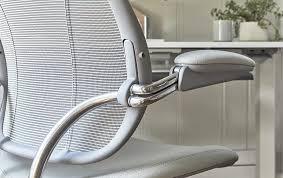 Comfortable Chair,Pinterest
Types of Chairs for Studying
- Ergonomic Chairs: Designed to provide optimal support and adjustability. Often feature adjustable lumbar support, armrests, seat height, and back tilt.
- Task Chairs: Basic and functional chairs, typically with a simple design and limited adjustability. Good for short study sessions or budget-conscious students.
- Executive Chairs: Larger, more luxurious chairs with enhanced cushioning and a higher backrest. Provide excellent comfort but may take up more space.
- Drafting Chairs: Taller chairs with a footrest, ideal for standing desks or elevated surfaces.
- Balance Ball Chairs: Promote active sitting and core engagement.
- Kneeling Chairs: Designed to shift weight from your lower back to your knees.
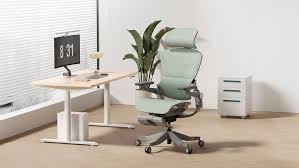 Types of Chairs for Studying,Pinterest
Health Benefits of a Good Desk Chair
- Reduced Back Pain: Proper lumbar support helps maintain the natural curvature of your spine.
- Improved Posture: Encourages correct spinal alignment, reducing strain on muscles and ligaments.
- Decreased Neck and Shoulder Tension: Adjustable armrests and headrests promote relaxed posture.
- Enhanced Circulation: Prevents pressure points that can restrict blood flow.
- Minimized Risk of Musculoskeletal Disorders: Long-term comfort and support can prevent chronic pain and injuries.
 Health Benefits of a Good Desk Chair,Pinterest
Key Features to Consider When Choosing a Study Chair
- Lumbar Support: Essential for maintaining the natural curve of your lower back. Look for adjustable lumbar support.
- Adjustability: Seat height, back tilt, armrests, and headrest (if present) should be adjustable to fit your body.
- Seat Depth and Width: Ensure the seat is deep and wide enough to support your thighs comfortably.
- Breathable Material: Mesh or breathable fabric helps prevent overheating and sweating.
- Sturdy Base: A five-star base provides stability and prevents tipping.
- Casters/Wheels: Smooth-rolling casters allow for easy movement around your study area.
- Armrests: Adjustable armrests provide support for your arms and shoulders.
Finding the Right Fit: Tips and Considerations
- Consider Your Study Habits: How long do you typically study each day? Do you move around frequently or stay in one position?
- Assess Your Budget: Study chairs range in price from budget-friendly to high-end. Set a realistic budget before you start shopping.
- Read Reviews: See what other students and users have to say about different chairs.
- Try Before You Buy (If Possible): Visit a furniture store and test out different chairs to see what feels most comfortable.
- Think About Your Desk Height: Make sure the chair is adjustable to a height that allows your feet to rest flat on the floor and your elbows to be at a 90-degree angle.
- Posture Check: When sitting in the chair, ensure your back is straight, your shoulders are relaxed, and your feet are flat on the floor.
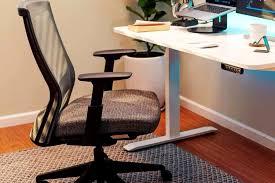 Finding the Right Fit,Pinterest
Conclusion
Choosing the right study chair is an investment in your health, well-being, and academic success. By considering your individual needs, exploring different types of chairs, and paying attention to key features, you can find the perfect chair to support you through countless hours of studying and help you achieve your academic goals. Don't underestimate the power of a comfortable and supportive seat!

explore further
Latest from Contemporary ideas
More from Innovations
Resources


