


The Ultimate Guide to Financial Savviness in a PG

Discover essential financial strategies for individuals living in a paying guest (PG) accommodation. Learn budgeting tips, cost-saving methods, and income opportunities for a secure financial future.

Published Date: Jul 29, 2025
Updated Date: Jul 29, 2025
Table of Contents
- Introduction
- Importance for Individuals Living in a PG
- Understanding Your Financial Situation
- Budgeting in a PG
- Cost-Saving Strategies
- Managing Daily Expenses
- Saving and Investing
- Income Generation Opportunities
- Conclusion
- Faq's
Introduction
Living in a paying guest (PG) accommodation presents unique financial challenges and opportunities. Understanding how to manage your finances effectively is essential for maintaining stability while pursuing personal and professional goals. This guide offers insights into budgeting, cost-saving strategies, and investing principles tailored for individuals in PGs, helping you achieve financial literacy and security.
Importance for Individuals Living in a PG
- Independence and Responsibility: Living in a PG fosters independence, but with it comes the responsibility of managing your own finances. This guide empowers you to take control.
- Limited Resources: Often, PG residents have limited financial resources, whether from parental support or a starting salary. Efficient money management is crucial to make the most of what you have.
- Building Good Habits: The financial habits you develop during your PG life will likely stick with you for years to come. This is a critical time to learn and implement sound financial practices.
- Avoiding Debt Traps: Easy access to credit and tempting offers can lead to debt accumulation. This section will provide strategies to avoid debt and build a healthy credit profile.
Understanding Your Financial Situation
- Tracking Income: Start by knowing exactly how much money you have coming in. This includes salary, allowances from family, freelance income, or any other source.
- Tracking Expenses: Meticulously track where your money is going. Use a notebook, spreadsheet, or budgeting app to record every expense, from rent and food to entertainment and transportation.
- Categorizing Expenses: Group your expenses into categories like 'Rent,' 'Food,' 'Transportation,' 'Entertainment,' 'Utilities,' and 'Miscellaneous.' This provides a clear picture of where your money is being spent.
- Identifying Spending Leaks: Analyze your spending patterns to identify areas where you're overspending or wasting money. Small, seemingly insignificant expenses can add up over time.
 Understanding Your Financial Situation,Jarvee
Budgeting in a PG
- Creating a Budget: Develop a realistic budget that aligns with your income and financial goals. Allocate a specific amount of money to each expense category.
- The 50/30/20 Rule (Adapt for PG): Discuss a modified version of the 50/30/20 rule, adjusting percentages based on typical PG expense breakdowns. Perhaps 60/20/20 with a higher percentage going to needs(rent, food, transportation), and lower to wants and savings.
- Prioritizing Needs vs. Wants: Distinguish between essential needs (rent, food, transportation) and discretionary wants (entertainment, eating out). Prioritize needs and cut back on wants when necessary.
- Using Budgeting Apps: Explore various budgeting apps that can help you track your spending, set goals, and stay on track." (e.g., Splitwise, Wallet, Money Manager Expense & Budget).
- Regular Review and Adjustment: Your budget is not set in stone. Regularly review and adjust it based on changes in your income, expenses, or financial goals.
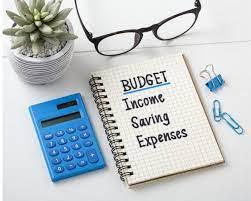 Budgeting,Rg Sacco
Cost-Saving Strategies
- Negotiating Rent (If Possible): Explore opportunities to negotiate a lower rent, especially if you're willing to commit to a longer stay or share a room.
- Bulk Buying (Where Applicable): Buy groceries or toiletries in bulk to take advantage of discounts, especially if you can share with roommates.
- Cooking Your Own Meals: Eating out is a major expense. Cook your own meals whenever possible to save money and control your ingredients.
- Utilizing Free Resources: Take advantage of free resources like library books, community events, and free online courses to save on entertainment and education.
- Energy Conservation: Conserve energy by turning off lights when you leave the room, unplugging electronics when not in use, and using energy-efficient appliances.
- Transportation Hacks: Use public transportation, walk, or bike whenever possible to save on transportation costs. Consider carpooling or sharing rides with roommates.
- Comparison Shopping: Before making a purchase, compare prices from different retailers to find the best deals.
- DIY Solutions: Learn to fix minor repairs yourself to avoid expensive handyman services.
Managing Daily Expenses
- Tracking Daily Spending: Keep a close eye on your daily spending. Use a budgeting app or notebook to record every expense.
- Limiting Impulse Purchases: Avoid making impulse purchases. Give yourself time to think before buying something you don't really need.
- Cash vs. Card: Consider using cash for certain expenses to avoid overspending. Seeing the physical money leave your wallet can make you more mindful of your spending.
- Meal Planning: Plan your meals in advance to avoid last-minute impulse purchases and reduce food waste.
- Brown Bagging: Pack your lunch and snacks instead of buying them at work or school.
- Entertainment on a Budget: Find affordable or free entertainment options, such as watching movies at home, visiting parks, or attending free events.
Saving and Investing
- Setting Financial Goals: Define your financial goals, such as building an emergency fund, saving for a down payment on a house, or investing for retirement.
- Building an Emergency Fund: Prioritize building an emergency fund to cover unexpected expenses. Aim to save at least 3-6 months' worth of living expenses.
- Opening a Savings Account: Open a savings account to earn interest on your savings. Look for accounts with competitive interest rates and low fees.
- Exploring Investment Options (Age-Appropriate): Introduce basic investment concepts like fixed deposits, recurring deposits, mutual funds, or stocks, but emphasize the importance of research and seeking professional advice before investing. Focus on low-risk options suitable for beginners.
- Starting Small: Even small amounts of savings can add up over time. Start saving whatever you can afford, even if it's just a few hundred rupees per month.
- Utilizing Investment Apps: Explore investment apps that offer easy access to mutual funds and stocks.
 Saving and Investing,TechBillion
Income Generation Opportunities
- Part-Time Jobs: Explore part-time job opportunities that fit your schedule and skills, such as tutoring, freelancing, or working in a retail store or restaurant.
- Freelancing: Offer your skills as a freelancer in areas like writing, graphic design, web development, or social media management.
- Online Surveys and Tasks: Participate in online surveys or complete small tasks for extra income.
- Selling Unused Items: Sell unused items online or at a local flea market.
- Tutoring: Offer tutoring services to students in subjects you excel in.
- Internships: Seek out paid internship opportunities in your field of interest to gain experience and earn money.
- Skills-Based Gigs: Explore opportunities to utilize any skills you already have. Are you good at hair-styling? Offer your services on weekends for money.
Conclusion
Becoming financially savvy while living in a PG is achievable with the right approach. By understanding your financial situation, implementing effective budgeting, and utilizing cost-saving strategies, you can enjoy a financially stable and independent life. Make informed decisions today for a secure tomorrow.

explore further
Latest from Contemporary ideas
Assessing the Real Estate Market: Homes Near Public TransitRedefining Urban Spaces: The Impact of Wellness Townships in IndiaMaximizing Space: Organizing Your Home with RoommatesEssential Features Senior Citizens Should Consider When Renting a HomeNavigating Rent Increases: What Tenants Need to Know
More from Innovations
Resources
NEED HELP?
Get in touch with Dwello consultant for free consultation
+91
Enquire Now

Registered & Corporate Office
JM Financial Products Limited. 7th Floor, Cnergy, Appasaheb Marathe Marg, Prabhadevi, Mumbai - 400025
CIN:
U74140MH1984PLC033397
RERA NUMBERS

Maharashtra
A51900000277

Karnataka
PRM/KA/RERA/1251/309/AG/220521/002898

Delhi
DLRERA2022A0103

Haryana
RC/HARERA/GGM/1932/1527/2022/300
For any complaints please write to us at grievance@dwello.in