





Table of Contents
- Introduction
- Project Overview and Importance
- Latest Progress Update
- Engineering and Design Features
- Key Construction Challenges
- Environmental Measures and Monitoring
- Socioeconomic and Urban Impact
- Comparison with Other Coastal Links
- Price Trends and Infrastructure Boost
- Future Outlook
- Conclusion
- Faq's
Introduction
Mumbai is rapidly transforming its coastal mobility network, and the Versova-Bandra Sea Link (VBSL) stands out as a centerpiece of this development. Officially named the Swatantrya Veer Savarkar Sea Link, this 17.17 km marvel is a direct extension of the iconic Bandra-Worli Sea Link. Once completed, it will connect Versova in the north to Bandra in the south, significantly reducing travel time, alleviating road congestion, and strengthening links between key suburbs along the western coast.
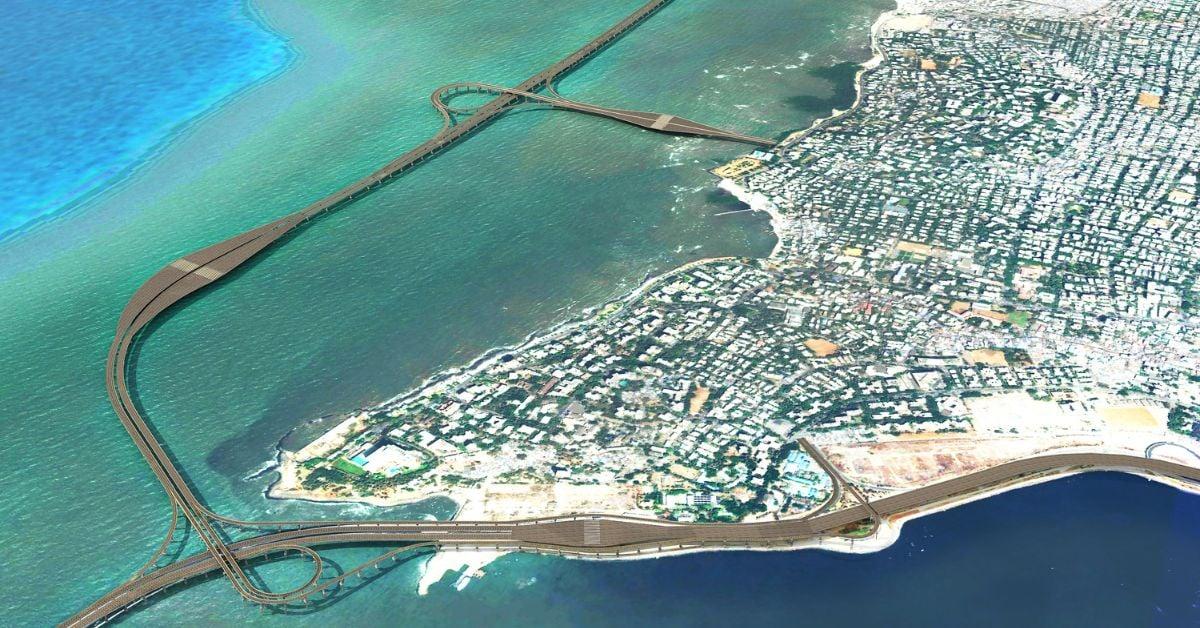
Versova-Bandra Sea Link, WSB
Scheduled for completion by July 2027, the VBSL is not just a piece of road infrastructure but a landmark of modern engineering, environmental resilience, and urban planning foresight. As of 2025, about 25 percent of the construction is completed, signaling steady progress despite previous delays.
Project Overview and Importance
Key Details
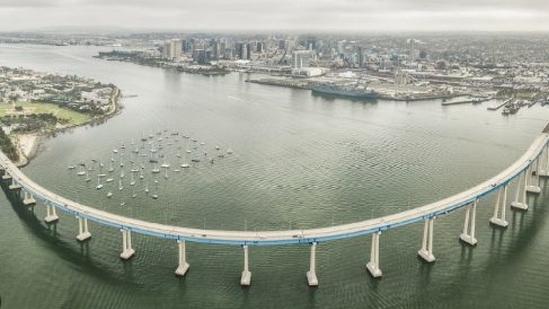
Upcoming Versova-Bandra Sea Link, HT
- Total length: 17.17 km
- Configuration: 8 lanes (4 in each direction)
- Project cost: ₹18,120 crore
- Executing agency: Maharashtra State Road Development Corporation (MSRDC)
- Contractors: APCO Infratech and Webuild JV
- Official name: Swatantrya Veer Savarkar Sea Link
- Expected completion: July 2027
Strategic Significance
The Versova-Bandra Sea Link will serve as a vital parallel artery to the congested Western Express Highway and the suburban railway lines. By directly connecting key western suburbs, the link is expected to reduce the travel time between Versova and Bandra from 45-60 minutes to approximately 10-15 minutes. It also connects seamlessly with Mumbai's Coastal Road project, creating an uninterrupted stretch of expressways running along the city's western coastline.
Latest Progress Update
Current Construction Status
- The project has reached approximately 25 percent completion. Foundation and piling work has been successfully executed, and casting yards in Malad and Bandra are fully operational. The monsoon months between June and September see a slowdown due to safety regulations concerning marine work, but offsite fabrication continues.
- Key connector arms from Bandra, Carter Road, Juhu, and Versova are under active development. Equipment mobilization, segment casting, and transportation logistics have been optimized to meet the new timelines.
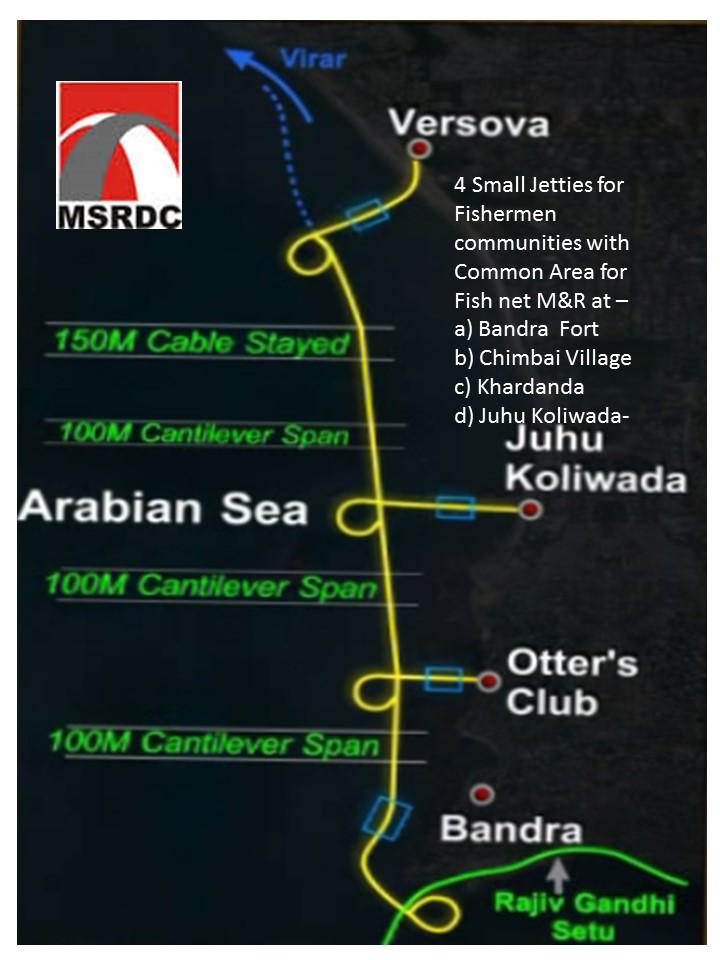
Versova-Bandra Sea Link, MSRDC
Revised Timeline
- Initially targeted for a 2026 launch, the revised schedule now plans for the link to open in July 2027. Legal clearances, contractor changes, and COVID-19-related delays contributed to the adjustment, but the project has since regained momentum.
Engineering and Design Features
Structural Highlights
- The VBSL incorporates advanced marine engineering design and modular construction techniques. It includes cable-stayed sections and cantilever spans supported by piers drilled deep into the seabed. Approximately 3,000 pillars, spaced around 60 meters apart, rise nearly 12 meters above sea level.
- The main deck will be constructed using precast segments that are assembled using high-precision gantry cranes. These segments are fabricated off-site and then transported to the construction location for seamless installation.
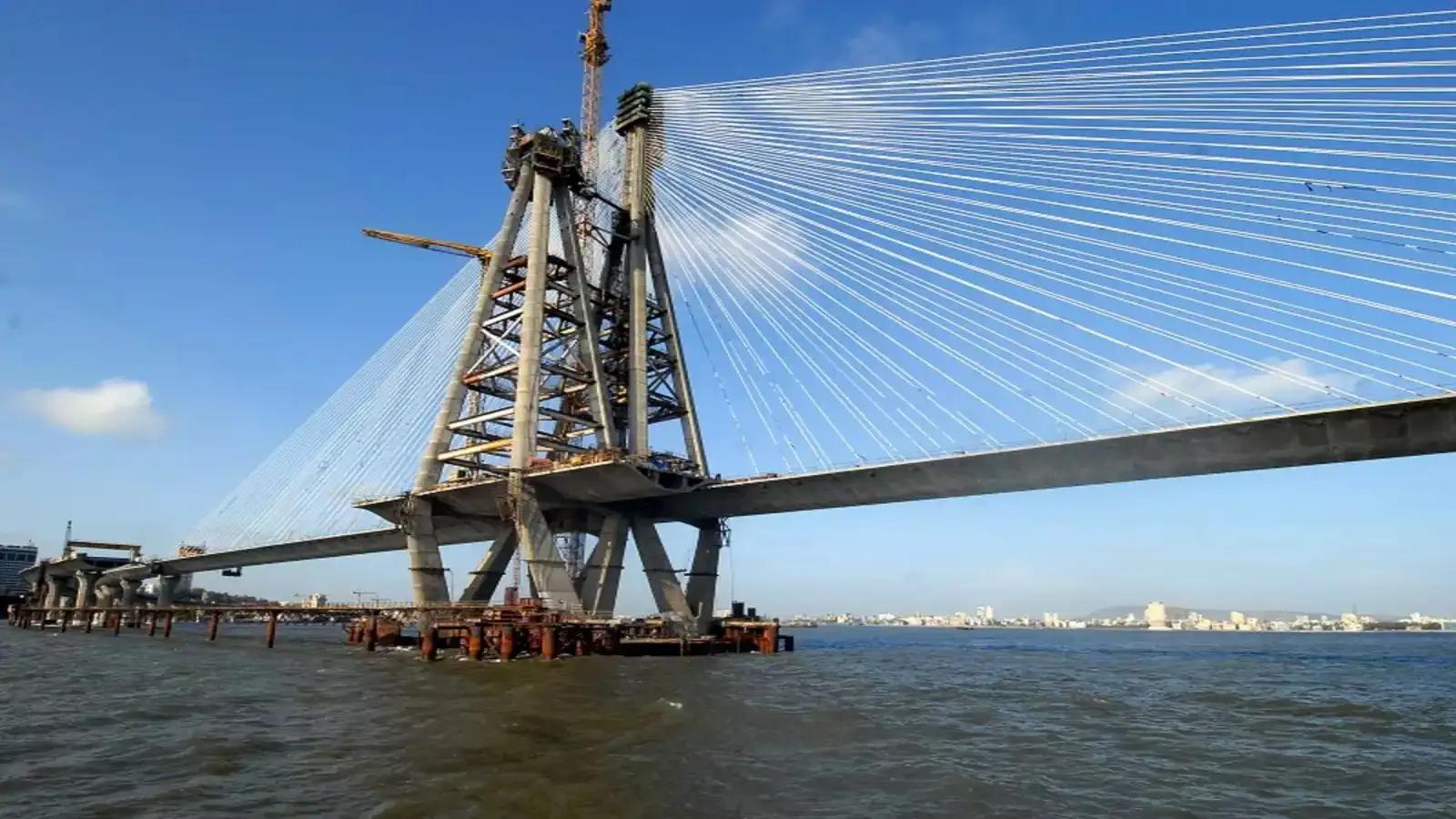
Versova-Bandra Sea Link Features, The ET
Seismic and Safety Measures
- Given Mumbai's seismic risk profile, the bridge has been designed with seismic arresters to withstand earthquakes up to magnitude 7.0. Additional safety features include intelligent bridge management systems, CCTV surveillance, emergency pullouts, fire detection systems, and fiber-optic sensors for real-time monitoring.
Key Construction Challenges
Marine and Geotechnical Hurdles
- The marine environment presents several difficulties, including tidal variations, unstable seabeds, and saline corrosion. Engineers have addressed these issues through specially treated concrete, corrosion-resistant materials, and deep drilling techniques adapted to Mumbai's complex sub-sea strata.
Legal and Environmental Constraints
- The project faced litigation and public interest petitions related to the Coastal Regulation Zone (CRZ) and environmental impacts. These were resolved through approvals from relevant environmental bodies and alternative site plans for casting yards to avoid disrupting sensitive zones.
Contractor and Timeline Revisions
- Originally awarded to a different consortium, the project saw a change in contractors, with APCO Infratech and Webuild now handling execution. Penalties were imposed for prior delays, and MSRDC has implemented stricter oversight to maintain progress.
Environmental Measures and Monitoring
- Dedicated agencies including the Zoological Survey of India and Indian Institute of Science Education and Research are monitoring marine biodiversity, mangrove protection, and shoreline integrity. Regular audits ensure compliance with environmental norms throughout the construction lifecycle.
Noise and Visual Impact
- Advanced construction methods are being used to minimize noise, vibration, and visual intrusion. Buffer zones and noise barriers are planned around sensitive habitats and residential areas near the coastline.
Socioeconomic and Urban Impact
Time and Cost Savings
- Once operational, the VBSL will drastically cut travel time between Bandra and Versova. Commuters who currently spend nearly an hour navigating traffic will be able to complete the journey in just 10-15 minutes.
Real Estate Appreciation
- Improved connectivity is already influencing property rates in areas like Versova, Juhu, and Carter Road. Developers are launching premium residential and commercial projects anticipating increased demand post-link inauguration.
Toll Revenue and Model
- Toll will be collected from users to recover costs, similar to the Bandra-Worli Sea Link. The concession period is expected to run until 2052. Toll booths will be positioned at the main entry and exit points, with dedicated fast-tag lanes for smooth transit.
Comparison with Other Coastal Links
Bandra-Worli Sea Link

Bandra-Worli Sea Link,
- The Bandra-Worli Sea Link spans 5.6 km and handles over 60,000 vehicles daily. It serves as a precursor to the VBSL, which builds upon the design and operational learnings of the former but extends further north to Versova.
Mumbai Trans Harbour Link (MTHL)
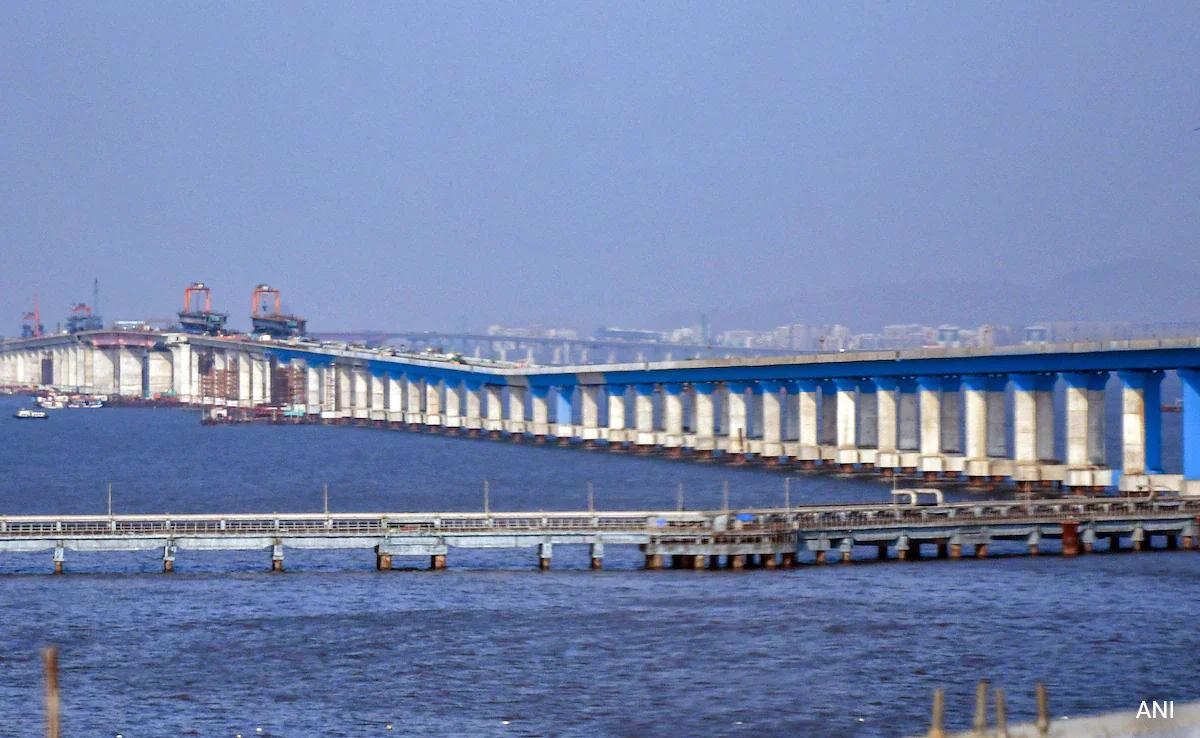
MTHL, NDTV
- The 21.8 km MTHL, connecting Sewri to Nhava Sheva, is another sea bridge transforming Mumbai's connectivity. The VBSL complements this by focusing on the western corridor, while MTHL strengthens the eastern approach to Navi Mumbai.
Price Trends and Infrastructure Boost
The announcement and progress of the Versova-Bandra Sea Link have had a ripple effect on real estate prices in its adjoining areas.
|
Area |
Avg. Price in 2019 (₹/sq ft) |
Avg. Price in 2025 (₹/sq ft) |
Growth (%) |
|
Versova |
₹18,000 |
₹25,500 |
41.60% |
|
Juhu |
₹29,000 |
₹35,000 |
20.60% |
|
Carter Road |
₹32,000 |
₹40,000 |
25.00% |
|
Bandra West |
₹30,000 |
₹37,000 |
23.30% |
Property prices have increased steadily, supported by demand from professionals, NRIs, and investors banking on long-term capital appreciation.
Future Outlook
- The Versova-Bandra Sea Link is set to be a critical link in Mumbai's coastal transportation corridor. Its alignment with the Mumbai Coastal Road, Metro network, and future Water Metro projects will support seamless intermodal travel. The link is also expected to integrate with green mobility efforts through future electric vehicle infrastructure and solar-powered lighting.
- Once commissioned, this sea link will reshape not just how Mumbai travels, but also how it expands, evolves, and redefines its urban identity along the Arabian Sea.
Conclusion
The Versova-Bandra Sea Link is set to be a transformative addition to Mumbai's coastal infrastructure, offering faster commutes, reduced congestion, and improved connectivity between key western suburbs. As construction progresses steadily with a target completion by July 2027, the project stands as a symbol of engineering innovation and urban foresight. Beyond mobility, it is expected to uplift surrounding real estate, enhance economic activity, and support the city's broader vision of integrated, efficient transport networks. Once operational, it will redefine how Mumbai moves and grows along its coastline.

explore further
Latest from Editorials
More from Publications
Resources


