




Table of Contents
- Introduction
- Understanding Fencing Wire Types
- Factors to Consider When Choosing Fencing Wire
- Maintaining Your Garden Fence
- Installation Tips and Techniques
- Conclusion
- Faq's
Introduction
Protecting your hard-earned garden from unwanted visitors like deer, rabbits, squirrels, and even neighborhood pets is crucial for a successful harvest. A well-constructed fence is often the first line of defense, and the choice of fencing wire plays a critical role in its effectiveness and longevity. This comprehensive guide will walk you through the different types of fencing wire available, factors to consider when making your selection, essential installation tips, and maintenance advice to ensure your garden remains safe and secure year after year. Whether you're a seasoned gardener or just starting out, this information will help you choose the right fencing wire to protect your plants and enjoy a bountiful garden.
Understanding Fencing Wire Types
- Galvanized Wire: Rust-resistant and durable, ideal for general garden fencing.
- Electric Fencing Wire: Targets larger animals, providing an electric shock to deter them.
- Barbed Wire: Effective for keeping out larger animals but may not be suitable for all gardens due to safety concerns.
- Welded Wire: Sturdy and long-lasting, good for keeping smaller animals like rabbits out.
- Chain Link Fencing: Provides visibility while keeping unwanted animals out.
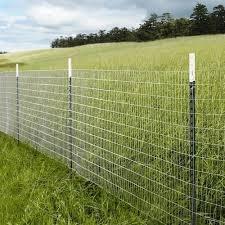 Understanding Fencing Wire Types,Pinterest
Factors to Consider When Choosing Fencing Wire
Before you head to the store, consider these key factors:
- Target Pests: What animals are you trying to keep out? Rabbits require smaller mesh sizes than deer.
- Garden Size: A larger garden will require more wire and potentially stronger, more durable options.
- Budget: Prices vary significantly between wire types. Balance cost with durability and effectiveness.
- Aesthetics: Do you want the fence to blend into your garden, or is functionality your primary concern? PVC-coated wire and less obtrusive.
- Durability: Consider your local climate. Coastal areas require more corrosion-resistant options.
- Ease of Installation: Some wire types are easier to install than others. Consider your DIY skills and available tools.
- Fence Height: How high should the fence be to keep out animals?
- Local Regulations: Be aware of any fencing regulations in your area (height restrictions, material restrictions, etc.).
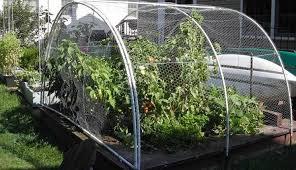 Choose Fencing Wire,Pinterest
Maintaining Your Garden Fence
Regular maintenance will extend the life of your fence and ensure its continued effectiveness.
- Inspect Regularly: Check for damage, rust, loose wires, and breaches in the fence.
- Repair Damage Promptly: Fix any holes or broken wires immediately to prevent pests from gaining access.
- Remove Vegetation: Keep grass and weeds trimmed away from the fence to prevent corrosion and ensure visibility.
- Tighten Loose Wires: Use wire tighteners to maintain tension and prevent sagging.
- Replace Rusted or Damaged Sections: Don't wait until the entire fence fails. Replace sections as needed.
- For Electric Fences: Regularly check the voltage output and ensure the grounding system is functioning correctly.
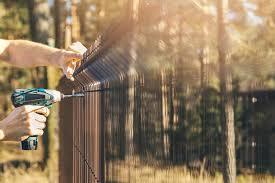 Maintaining Your Garden Fence,Pinterest
Installation Tips and Techniques
Proper installation is crucial for a secure and effective fence.
- Plan Your Layout: Determine the perimeter of your fence and mark the location of posts.
- Choose the Right Posts: Use sturdy posts that are appropriate for the height and type of fencing wire you're using. Wood, metal, or composite posts are all viable options.
- Set Posts Properly: Dig post holes deep enough to provide adequate support. Use concrete to secure posts in the ground for maximum stability.
- Use Proper Fasteners: Use appropriate staples, clips, or ties to attach the wire to the posts. Ensure they are corrosion-resistant.
- Maintain Tension: Use wire tighteners to create and maintain proper tension in the wire.
- Bury Wire (for rabbits): Bury the bottom of the fence a few inches below the ground to prevent rabbits from digging underneath.
- Consider a "Skirt": Adding a wire "skirt" that extends outwards along the ground can further deter digging animals.
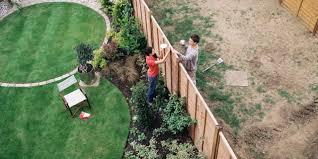 Installation Tips and Techniques,Pinterest
Conclusion
Choosing the right fencing wire and installing it correctly is an investment in the health and success of your garden. By considering the factors outlined in this guide, you can create a durable and effective barrier against pests and animals, allowing you to enjoy a bountiful harvest and a beautiful garden for years to come. Don't be afraid to experiment and adapt your fencing strategy as needed to find what works best for your specific garden and local conditions.

explore further
Latest from Contemporary ideas
More from Innovations
Resources


