




Table of Contents
- Introduction
- Understanding Public Transit
- Benefits of Living Near Public Transit
- Current Trends in the Real Estate Market Near Public Transit Hubs
- Variability in Public Transit Quality and Frequency
- Future Trends
- Conclusion
- Faq's
Introduction
The real estate market is continually influenced by various factors, one of the most significant being proximity to public transit. Homes located near transit hubs often command higher prices, offer better investment potential, and cater to a growing demographic prioritizing accessibility. This assessment explores the myriad benefits of living near public transit, current market trends, and anticipated future developments in this sector.
Understanding Public Transit
Public transit encompasses various forms of transportation such as buses, subways, light rail, and trains. These services facilitate ease of movement within urban areas, connecting residents to employment, education, and recreational opportunities. The efficiency, coverage, and reliability of public transit systems significantly affect local real estate values.
 Understanding Public Transit,Pinterest
Benefits of Living Near Public Transit
Living near public transit offers numerous advantages, including:
- Cost Savings: Reduced dependence on personal vehicles can lead to savings on fuel, maintenance, and parking.
- Convenience and Accessibility: Quick access to work, shopping, and entertainment enhances lifestyle convenience and urban experiences.
- Environmental Impact: Public transit use contributes to lower carbon emissions and decreased traffic congestion.
- Higher Property Values: Properties close to transit tend to appreciate faster and maintain higher resale values.
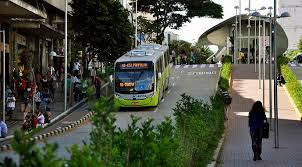 Benefits of Living Near Public Transit,Pinterest
Current Trends in the Real Estate Market Near Public Transit Hubs
Recent trends show a steady increase in demand for properties near transit stations. Key factors include:
- Urbanization: More people are moving to cities, driving up demand for accessible housing.
- Millennial Preferences: Younger generations often prefer urban living with easy transit access, reshaping the market dynamics.
- Investment by Local Governments: Many municipalities are investing in transit infrastructure, making properties nearby more desirable.
 Real Estate Market Near Public Transit Hubs,Pinterest
Variability in Public Transit Quality and Frequency
Not all public transit systems are equal; variations exist in service quality, coverage area, and frequency. High-quality transit systems generally attract more residents and thus drive up real estate values, while areas with infrequent or unreliable services may struggle to maintain market interest.
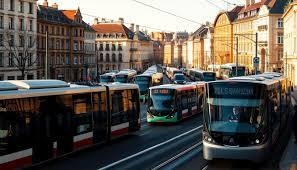 Variability in Public Transit,Pinterest
Future Trends
Looking ahead, several trends are likely to shape the landscape of real estate near public transit:
- Sustainable Development: Increasing emphasis on sustainable urban planning will likely boost demand for eco-friendly housing near transit.
- Technological Integration: Advances in technology may improve transit systems and home connectivity, further elevating interest in transit-adjacent properties.
- Remote Work Influence: As remote work becomes more common, the demand for transit-oriented housing may shift, leading to new patterns in property value assessments.
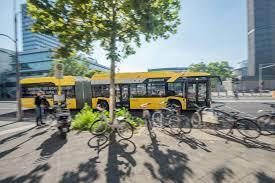 Future Trends in Public Transit,Pinterest
Conclusion
Homes near public transit hubs represent a dynamic segment of the real estate market, driven by convenience, environmental awareness, and changing demographics. As urban areas evolve and public transportation systems improve, properties positioned near these networks will continue to be a sought-after investment.

explore further
Latest from Contemporary ideas
More from Innovations
Resources


