




Table of Contents
- Introduction
- Understanding Wellness Townships
- Characteristics of Wellness Townships
- The Rationale Behind Wellness Townships
- Key Components of Wellness Townships
- Economic and Social Impacts
- Future Trends and Developments
- Conclusion
- Faq's
Introduction
In recent years, India has witnessed a paradigm shift in urban planning and development through the emergence of wellness townships. These innovative living spaces are designed not only to provide comfortable housing but also to foster holistic well-being through sustainable practices, community engagement, and a focus on health. This essay delves into the concept of wellness townships, exploring their rationale, key components, successful case studies in India, and their broader economic and social impacts, while also projecting future trends in this dynamic area of urban development.
Understanding Wellness Townships
Wellness townships are integrated communities that emphasize health, sustainability, and quality of life. They typically encompass residential spaces, commercial areas, recreational facilities, and green zones, all designed to encourage active lifestyles and foster a sense of community. The core philosophy behind these townships is to create an environment that nurtures physical, mental, and social well-being.
Characteristics of Wellness Townships
- Design and Architecture: Often featuring green architecture, these townships use eco-friendly materials, natural lighting, and open spaces to enhance residents' quality of life.
- Green Spaces: Parks, gardens, and natural landscapes are integral, promoting outdoor activities and mental relaxation.
- Health and Wellness Facilities: Many wellness townships offer gyms, yoga studios, spas, and health clinics, ensuring that residents have access to fitness and wellness resources.
- Sustainability Initiatives: These projects often implement renewable energy sources, waste management systems, and water conservation techniques.
- Community Engagement: Encouraging social interactions through community events, workshops, and recreational activities enhances the overall living experience.
 Health and Wellness Facilities in society,Pinterest
The Rationale Behind Wellness Townships
The need for wellness townships arises from several converging factors in urban India:
- Urbanization: Rapid urbanization has led to overcrowded cities with inadequate infrastructure, impacting residents' quality of life.
- Health Concerns: Increasing lifestyle-related health issues necessitate urban designs that promote physical activity and mental well-being.
- Environmental Challenges: Air pollution, climate change, and resource depletion demand sustainable urban environments.
- Changing Lifestyle Preferences: A growing urban middle class prioritizes health and well-being as essential aspects of their living environments.
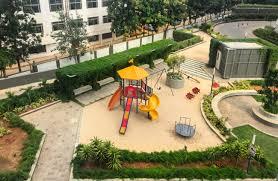 Rationale Behind Wellness Townships,Pinterest
Key Components of Wellness Townships
- Environmentally Sustainable Design
Wellness townships incorporate green building practices, including energy-efficient systems, waste recycling, and sustainable water management. This reduces their ecological footprint and enhances residents' connection to nature. - Health-Focused Amenities
The integration of healthcare facilities, fitness centers, and wellness programs is vital. Residents are encouraged to engage in health-promoting activities, contributing to better public health outcomes. - Community Infrastructure
Social spaces, communal gardens, and recreational areas foster community interaction, thereby enhancing residents' social well-being. Engaging community initiatives also cultivate a sense of belonging. - Transportation and Accessibility
Wellness townships prioritize walkable designs and reliable public transport, making it easier for residents to navigate and access essential services and leisure activities.
 Key Components of Wellness Townships,Pinterest
Economic and Social Impacts
Wellness townships contribute significantly to both the economy and social fabric of urban areas:
- Job Creation: The construction of wellness townships creates jobs in various sectors, including real estate, health services, and hospitality.
- Increased Property Value: Well-planned townships attract residents, thereby increasing demand for properties, which boosts local economies.
- Improved Public Health: Access to wellness facilities can reduce healthcare costs for individuals and the government by promoting healthier lifestyles.
- Social Cohesion: By fostering community engagement, wellness townships can lead to greater social stability and reduced crime rates.
Future Trends and Developments
The evolution of wellness townships in India will likely be influenced by:
- Technology Integration: Smart city concepts, including IoT and AI in health monitoring and sustainability, will play a crucial role in future developments.
- Policy Support: Increasing government initiatives focused on sustainable urban development will bolster the growth of wellness townships.
- Cultural Integration: Incorporating local traditions and practices into the design and functioning of these townships can enhance their appeal.
- Focus on Mental Well-being: As awareness of mental health issues grows, future developments will likely prioritize spaces for relaxation and mindfulness practice.
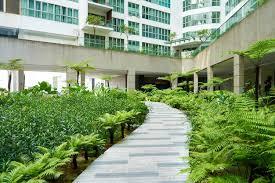 Future Trends and Developments,Pinterest
Conclusion
Wellness townships represent a progressive approach to urban living in India, addressing the dual challenges of rapid urbanization and declining health standards. By focusing on sustainability, community engagement, and holistic well-being, these townships can redefine the future of urban spaces. As they continue to evolve, their impact on urban planning, social structures, and individual lives will become increasingly significant, making them a model for future urban developments.

explore further
Latest from Contemporary ideas
More from Innovations
Resources


