




Table of Contents
- Introduction
- Importance of Modern Living Spaces
- Evolution of Architectural Design
- Sustainable Design
- Smart Home Technologies
- Flexible and Adaptable Spaces
- Biophilic Design
- Innovative Materials and Construction Techniques
- Future Trends in Architectural Innovation
- Conclusion
- Faq's
Introduction
The architectural landscape has evolved significantly over the past few decades, reflecting societal changes, technological advancements, and a growing awareness of environmental issues. Modern living spaces today are no longer just structures but are dynamic environments tailored to enhance the quality of life. Innovations in design and technology are redefining how we live, work, and interact within our homes. This article delves deep into various aspects of modern living spaces, covering their importance, evolution, and the various architectural trends shaping our future.
Importance of Modern Living Spaces
Modern living spaces play a crucial role in enhancing our lifestyle. With the increasing pace of urbanization, homes must be functional, aesthetic, and conducive to well-being. Key reasons for the significance of contemporary living environments include:
- Comfort and Functionality: Today's homes are designed to meet the multifunctional needs of families. Open floor plans and adaptable rooms provide flexibility for various activities.
- Well-Being: Modern architecture often prioritizes health with designs that improve air quality, natural light, and acoustics, positively impacting mental and physical health.
- Sustainability: As climate change becomes an urgent concern, modern living spaces emphasize eco-friendly materials and energy-efficient designs that contribute to a more sustainable future.
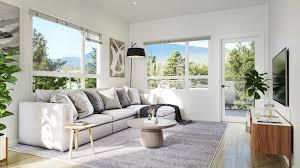 Importance of Modern Living Spaces,Pinterest
Evolution of Architectural Design
The journey of architectural design has transitioned through various eras, each marked by unique characteristics:
- Early 20th Century: The Industrial Revolution brought about mass production and a shift towards modernism, emphasizing clean lines and functionalism.
- Post-War Era: The demand for affordable housing led to the development of suburban homes and the introduction of pre-fabricated structures.
- Late 20th Century: The rise of postmodern architecture celebrated diversity in styles, incorporating historical elements while embracing new materials and technologies.
- 21st Century: Today's architecture is characterized by a blend of innovative technology and sustainable practices, focusing on personalized spaces that cater to individual lifestyles.
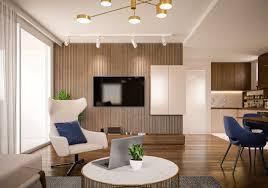 Evolution of Architectural Design,Pinterest
Sustainable Design
Sustainable design has become a cornerstone of modern architecture, addressing environmental concerns while offering economic benefits. Key features include:
- Energy Efficiency: Incorporating renewable energy sources, such as solar panels, and designing for passive solar heating and cooling reduce energy consumption.
- Water Conservation: Efficient plumbing fixtures, rainwater harvesting systems, and drought-resistant landscaping help minimize water use.
- Sustainable Materials: Utilizing recycled or renewable materials reduces the ecological footprint of buildings.
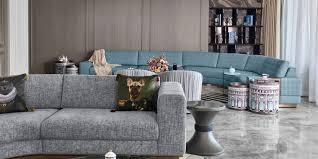 Sustainable Design,Pinterest
Smart Home Technologies
The integration of smart technology into living spaces has revolutionized how we interact with our homes. Key advancements include:
- Home Automation Systems: Control of lighting, heating, and security via smartphones enhances convenience and energy efficiency.
- IoT Devices: Internet of Things (IoT) devices, such as smart thermostats and appliances, optimize resource use and provide real-time data for homeowners.
- Security Solutions: Advanced surveillance systems increase safety and provide homeowners peace of mind.
Flexible and Adaptable Spaces
As lifestyles evolve, the need for flexible spaces within homes has become paramount. Adaptable design allows for:
- Multi-use Rooms: Spaces that serve multiple purposes, such as home offices that can be quickly converted to guest rooms, enable homeowners to adjust their environments to meet changing demands.
- Modular Furniture: Furniture that can be reconfigured or expanded based on current needs promotes versatility without sacrificing style.
- Expandable Designs: Homes designed with future growth in mind can accommodate an evolving family structure or changing lifestyle requirements.
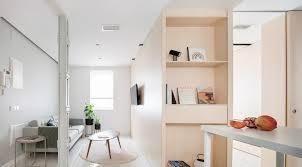 Flexible and Adaptable Spaces,Pinterest
Biophilic Design
Biophilic design emphasizes the connection between nature and urban environments, promoting well-being and reducing stress. Key components include:
- Natural Light: Maximizing daylight through large windows and skylights creates uplifting environments that improve mood and productivity.
- Indoor Plants: Integrating greenery into design not only enhances aesthetics but also improves air quality and overall mental health.
- Organic Materials: Using natural textures and colors in interiors can evoke feelings of comfort and tranquility, bridging the gap between the indoor and outdoor environments.
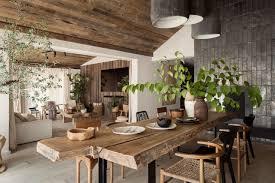 Biophilic Design,Pinterest
Innovative Materials and Construction Techniques
Advancements in materials and construction methods have transformed the way buildings are designed and constructed. Key innovations include:
- 3D Printing: This technology enables rapid construction and customization of building components, reducing waste and labor costs.
- Prefabrication: Off-site construction of building modules allows for faster assembly on-site and minimizes environmental impact.
- Smart Materials: Utilizing responsive materials that adapt to environmental conditions, such as self-healing concrete or phase-changing materials, enhances durability and sustainability.
Future Trends in Architectural Innovation
The future of architectural design will likely be shaped by several key trends:
- Vertical Living: As urban spaces become congested, vertical homes and multi-use buildings that blend residential, commercial, and recreational spaces will gain popularity.
- Co-living Spaces: Shared living environments that promote community while addressing housing shortages will redefine residential living.
- Virtual Reality Design Tools: Architects will increasingly use VR to visualize and create spaces, enabling better client engagement and design precision.
- Climate Resilient Architecture: Designs that anticipate and mitigate the effects of climate change will be essential, incorporating features like flood-resistant designs and energy independence.
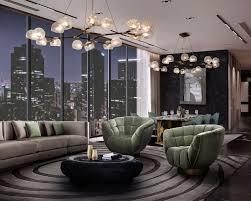 Future Trends in Architectural Innovation,Pinterest
Conclusion
Architectural innovations are fundamentally reshaping modern living spaces, blending functionality with sustainability and technology. As we continue to navigate urbanization and environmental challenges, the importance of designing adaptive, efficient, and connected homes will only increase. The future of architecture promises exciting possibilities that enhance the way we live, work, and connect with our surroundings.

explore further
Latest from Contemporary ideas
More from Innovations
Resources


