




Table of Contents
- Introduction
- Importance of Plumbing in Bathrooms and Kitchens
- Types of Pipes Used in Plumbing
- Pipe Fittings
- Plumbing Fixtures
- Water Supply Systems
- Drainage and Waste Systems
- Conclusion
- Faq's
Introduction
Plumbing is the unsung hero of our bathrooms and kitchens, silently and efficiently delivering fresh water and whisking away waste. While often overlooked, a well-functioning plumbing system is essential for comfort, hygiene, and the overall value of your home. This guide provides a comprehensive overview of bathroom and kitchen plumbing, covering the types of pipes and fittings commonly used, the workings of water supply and drainage systems, and essential information for both DIY enthusiasts and homeowners looking to understand their plumbing better. Whether you're planning a renovation, tackling a repair, or simply want to be more informed, this guide will equip you with the knowledge you need.
Importance of Plumbing in Bathrooms and Kitchens
The plumbing in bathrooms and kitchens plays a crucial role in maintaining hygiene, sanitation, and overall functionality. Without it, daily tasks such as cooking, cleaning, and personal hygiene would be significantly more challenging and potentially unsanitary. Proper plumbing ensures a safe and reliable water supply for drinking, washing, and cooking, while efficiently removing wastewater and preventing potential health hazards. A well-designed plumbing system also helps conserve water and reduce the risk of leaks, water damage, and costly repairs. Understanding the importance of plumbing in these areas underscores the need for careful planning, installation, and maintenance.
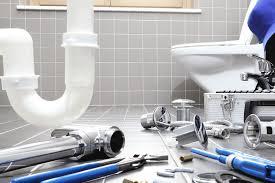 Plumbing in Bathrooms and Kitchens,Pinterest
Types of Pipes Used in Plumbing
Choosing the right pipe for the job is crucial for a reliable and long-lasting plumbing system. Different materials offer varying levels of durability, flexibility, and suitability for specific applications. Here's an overview of common pipe types:
- Copper Pipes: Known for their durability and resistance to corrosion, copper pipes are a traditional choice for water supply lines. They come in rigid and flexible forms (soft copper).
Pros: Long-lasting, resists corrosion, good for hot and cold water.
Cons: More expensive than other options, requires soldering or specialized fittings. - PVC (Polyvinyl Chloride) Pipes: A rigid plastic pipe commonly used for drain, waste, and vent (DWV) systems.
Pros: Affordable, lightweight, easy to install (using primer and cement), corrosion-resistant.
Cons: Not suitable for hot water supply, can become brittle over time, may not be allowed for drinking water in some areas. - CPVC (Chlorinated Polyvinyl Chloride) Pipes: Similar to PVC but designed to withstand higher temperatures, making them suitable for hot water supply.
Pros: Can handle hot water, more flexible than copper, cost-effective.
Cons: Less flexible than PEX, requires CPVC-specific primer and cement. - PEX (Cross-linked Polyethylene) Pipes: A flexible plastic tubing gaining popularity for its ease of installation and versatility.
Pros: Flexible, easy to install (using crimp, clamp, or push-fit fittings), resistant to freezing, doesn't corrode.
Cons: Can be more expensive than PVC, susceptible to UV damage (should be shielded from sunlight). - Galvanized Steel Pipes: An older type of pipe, rarely used in new construction but may be found in older homes.
Pros: Durable, strong.
Cons: Prone to corrosion, can reduce water flow over time due to mineral buildup, heavy and difficult to work with.
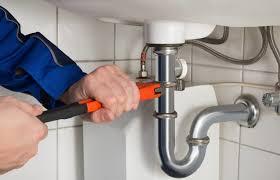 Plumbing Fittings,Pinterest
Pipe Fittings
Fittings are essential for connecting pipes, changing direction, and adapting to different sizes or materials. Common types of pipe fittings include:
- Couplings: Connect two pipes of the same size.
- Elbows (90-degree and 45-degree): Change the direction of a pipe run.
- Tees: Connect three pipes, forming a "T" shape.
- Adapters: Connect pipes of different materials or sizes.
- Unions: Allow for easy disconnection and reconnection of pipes.
- Caps: Seal the end of a pipe.
- Plugs: Close off an opening in a fitting.
- Valves: Control the flow of water (e.g., ball valves, gate valves, angle stop valves).
- Compression Fittings: Use compression to create a watertight seal, often used with copper.
- Push-Fit Fittings (e.g., SharkBite): Allow for quick and easy connections without soldering or gluing.
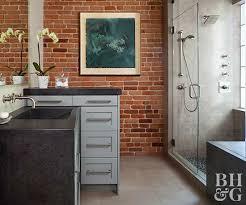 Pipe Fittings,Pinterest
Plumbing Fixtures
These are the appliances that use the plumbing system to provide water or dispose of waste.
- Sinks: Used for washing hands, dishes, and other items.
- Toilets: Used for disposing of human waste.
- Showers: Used for bathing.
- Bathtubs: Used for bathing.
- Faucets: Used to control the flow of water to sinks, showers, and bathtubs.
- Dishwashers: Used to wash dishes.
- Washing Machines: Used to wash clothes.
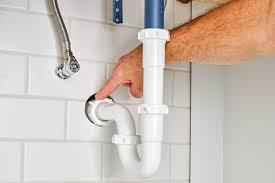 Plumbing Fixtures,The Spruce
Water Supply Systems
- Main Water Line: Brings water into the house from the municipal water supply or a private well.
- Water Meter: Measures the amount of water used by the house.
- Water Heater: Heats water for domestic use.
- Pipes and Valves: Distribute water throughout the house and control the flow of water to different fixtures.
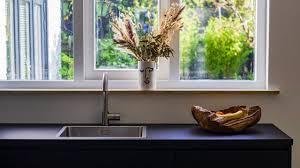 Water Supply Systems,Pinterest
Drainage and Waste Systems
- Drain Lines: Carry wastewater away from fixtures.
- Traps: Located under sinks and other fixtures to prevent sewer gases from entering the house.
- Vents: Allow air to enter the drainage system to prevent siphoning.
- Main Drain Line: Carries wastewater out of the house to the sewer or septic system.
- Septic System: Used in areas without access to a municipal sewer system.
Conclusion
Understanding the basics of bathroom and kitchen plumbing empowers you to tackle minor repairs, plan renovations effectively, and communicate confidently with plumbing professionals. By familiarizing yourself with the different types of pipes, fittings, fixtures, and systems, you can ensure the longevity and efficiency of your home's plumbing. Remember that while some plumbing tasks are DIY-friendly, more complex issues should always be handled by a licensed and experienced plumber to ensure safety and compliance with local codes.

explore further
Latest from Contemporary ideas
More from Innovations
Resources


