





Table of Contents
- Introduction
- Importance of Batteries in Modern Homes
- Types of Batteries
- Key Features of Modern Batteries
- Current Applications in Homes
- Future Trends and Innovations
- Conclusion
- Faq's
Introduction
Batteries have become an indispensable part of modern life, powering everything from household gadgets to renewable energy systems. As technology advances, the evolution of battery technology continues to shape how we consume and manage energy at home.
Importance of Batteries in Modern Homes
In today's energy-centric world, batteries play a critical role in enhancing energy efficiency, supporting renewable energy sources, and improving home automation. They enable the storage of electricity for later use, reduce reliance on the grid, and facilitate the integration of solar power and other renewable technologies.
Types of Batteries
- Lead-Acid Batteries: Traditional and widely used for backup systems and off-grid applications.
- Lithium-Ion Batteries: Popular for their high energy density, long lifespan, and versatility in portable electronics and electric vehicles.
- Nickel-Cadmium (NiCd) Batteries: Known for their reliability in extreme conditions but less common in household applications due to environmental concerns.
- Nickel-Metal Hydride (NiMH) Batteries: Often used in hybrid vehicles and some household devices, offering higher capacity than NiCd.
- Sodium-Sulfur Batteries: Emerging technology for large-scale energy storage.
Key Features of Modern Batteries
- Energy Density: Current batteries offer higher energy storage per unit of weight, enhancing efficiency.
- Lifespan: Extended cycles with improved longevity reduce the need for frequent replacements.
- Charging Speed: Rapid charging capabilities minimize downtime and enhance user convenience.
- Safety Features: Advanced designs include thermal management systems and integrated battery management systems for improved safety.
- Eco-Friendliness: Increasingly, batteries are designed with sustainability in mind, utilizing recyclable materials and minimizing harmful chemicals.
Current Applications in Homes
- Solar Energy Storage: Batteries store excess energy generated by solar panels for later use, promoting energy independence.
- Uninterruptible Power Supplies (UPS): Provide backup power during outages, ensuring critical devices remain operational.
- Electric Vehicles (EVs): Home charging stations for EVs allow homeowners to charge from renewable sources effectively.
- Smart Home Systems: Integrated battery solutions power smart devices, enhancing automation and control.
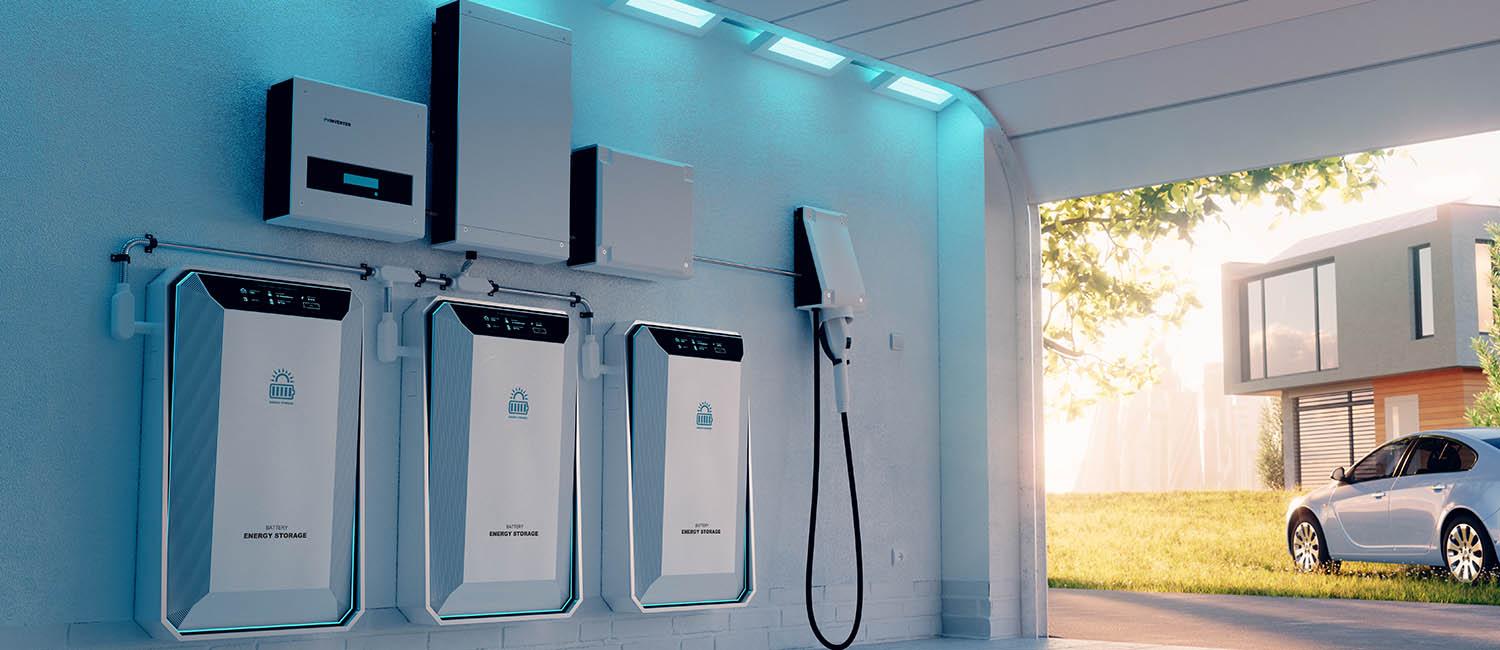 Battery Application in Home,Ohm Connect
Future Trends and Innovations
- Solid-State Batteries: Promising higher energy density and safety compared to liquid electrolyte batteries.
- Hydrogen Fuel Cells: Emerging as a potential clean energy source for home power generation.
- Recycling Improvements: Advancements in battery recycling technologies will enhance sustainability.
- Smart Battery Management Systems: AI-driven systems to optimize energy usage and extend battery life.
Conclusion
The evolution of battery technology is vital for improving energy efficiency and sustainability in modern homes. With continued advancements and innovations, batteries will play an increasingly prominent role in how we manage power, integrate renewable energy, and enhance our daily lives.

explore further
Latest from Contemporary ideas
More from Innovations
Resources


