




Table of Contents
- Introduction
- Background on Mumbai's Housing Demand
- The Monorail System: An Overview
- Impact on Connectivity
- Shaping Housing Demand
- Economic Implications
- Urban Planning and Policy Considerations
- Community Perspectives
- Conclusion
- Faq's
Introduction
In recent years, Mumbai has stood at the crossroads of rapid urbanization and infrastructure development. Among the pivotal developments shaping this bustling metropolis is the introduction of the monorail system. As an integral transit solution, the monorail has significantly influenced housing demand by improving connectivity, reducing travel time, and driving economic activity in its vicinity. This analysis delves into how the monorail's development has transformed housing dynamics, urban planning, and community perspectives in Mumbai.
Background on Mumbai's Housing Demand
Mumbai, one of the most densely populated cities globally, faces an ongoing housing crisis characterized by skyrocketing prices, limited availability, and increasing pressure from urban migration. With an estimated population exceeding 20 million, the demand for affordable housing at various price points has compounded, driven by socioeconomic factors, job availability, and lifestyle aspirations. The city's housing market undergoes continual transformation, which is heavily influenced by infrastructure developments, including public transport systems.
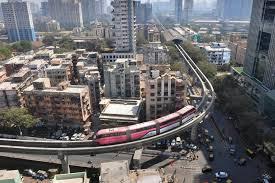 Background on Mumbai's Housing Demand,Pinterest
The Monorail System: An Overview
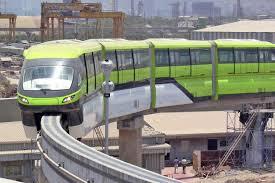
The Mumbai Monorail, inaugurated in 2014, is a 19.5 km-long elevated transport system designed to alleviate congestion and provide efficient transit solutions within the city's crowded corridors. The monorail connects key areas including Wadala, Lower Parel, and Jacob Circle, making it a vital component of Mumbai's public transport network. With its seamless integration into the city's existing transport framework, the monorail enhances the mobility of residents and promotes accessibility to various neighborhoods.
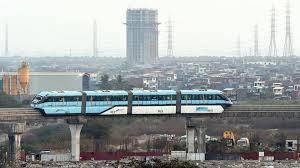 The Monorail System,Pinterest
Impact on Connectivity
The monorail significantly enhances connectivity between previously isolated areas, providing a reliable means of transportation that shortens travel times. By linking residential zones to commercial and employment centers, the monorail fosters increased mobility for commuters. This improved connectivity encourages the development of housing projects in proximity to monorail stations, as residents seek the benefits of easy access to transit, reducing reliance on cars and other forms of transport.
 Impact on Connectivity,Pinterest
Shaping Housing Demand
The presence of the monorail has a direct correlation with changes in housing demand. Areas adjacent to monorail stations experience an increase in property values due to the desirability of convenient transportation. Developers are more inclined to invest in housing projects near these stations, resulting in a shift in demographic patterns as people flock to areas that promise improved access and convenience. This trend influences the overall housing market, potentially creating a ripple effect across various neighborhoods.
 Shaping Housing Demand,Pinterest
Economic Implications
The monorail's influence extends beyond connectivity and housing. Economic growth is stimulated as businesses thrive near transportation hubs, attracting investments and creating job opportunities. The influx of residents in these areas can lead to increased consumption, further strengthening local economies. Additionally, with better infrastructure, city planners can implement more extensive urban development projects, fostering a sustainable economic landscape.
Urban Planning and Policy Considerations
Urban planners and policymakers must recognize the transformational impact of the monorail on housing trends. Effective land-use policies should align with transportation development to optimize growth and sustainability. Strategies may include zoning regulations that promote mixed-use developments, ensuring that communities can thrive around transit orientated developments, and promoting affordable housing initiatives to mitigate gentrification concerns.
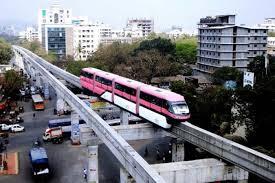 Urban Planning and Policy Considerations,Pinterest
Community Perspectives
Understanding community responses to the monorail is essential for shaping future strategies. While many applaud the convenience of enhanced connectivity, concerns over rising property prices and increased living costs are prevalent. Engaging local communities in discussions about balancing development and affordability will be crucial in addressing these challenges and ensuring long-term benefits for all stakeholders.
Conclusion
The monorail's role in shaping Mumbai's housing demand underscores the intricate relationship between transportation infrastructure and urban development. As Mumbai continues to grow, ensuring that the advantages of such developments are equitably distributed will be key. A well-integrated urban transport system, combined with responsible urban planning, has the potential to create resilient communities that thrive amidst the challenges of urbanization.

explore further
Latest from Contemporary ideas
More from Innovations
Resources


