




Table of Contents
- Introduction
- Importance of Maximizing Limited Space
- Benefits of Living in Smaller Homes
- Space-Saving Design
- Smart Layout Planning
- Maximizing Natural Light
- Color and Material Choices
- Personalizing Your Narrow Home
- Conclusion
- Faq's
Introduction
Welcome to the world of narrow house living! In an era where space is a premium, many are embracing the charm and efficiency of compact homes. A narrow house presents unique design challenges, but with thoughtful planning and clever strategies, it can be transformed into a comfortable, stylish, and functional sanctuary. This guide will provide you with the essential knowledge and inspiration to maximize every inch of your narrow house, creating a space that truly reflects your personality and lifestyle. Whether you're downsizing, building a new home on a narrow lot, or simply seeking to optimize your existing space, you'll find practical tips and creative solutions within these pages. Let's embark on a journey to unlock the full potential of your narrow house.
Importance of Maximizing Limited Space
- Physical Comfort: Discuss how efficient space utilization directly impacts daily comfort and ease of movement. A cluttered, poorly designed space can feel cramped and stressful.
- Mental Well-being: Explain how a well-organized and aesthetically pleasing small space can contribute to a sense of calm, focus, and overall well-being. Decluttering and optimizing your space can declutter your mind.
- Increased Functionality: Highlight how maximizing space allows you to incorporate all the essential functions of a larger home - living, dining, cooking, working, and relaxing - into a smaller footprint.
- Financial Benefits: Touch on the potential financial advantages of living in a smaller home, such as lower mortgage/rent, reduced utility bills, and decreased maintenance costs.
- Environmental Benefits: Discuss the smaller ecological footprint of smaller homes.
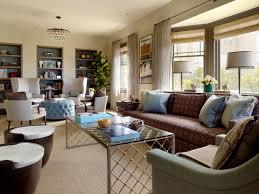 Maximizing Limited Space,Houzz
Benefits of Living in Smaller Homes
- Financial Freedom: Lower housing costs, reduced utility bills, and less maintenance.
- Reduced Environmental Impact: Smaller carbon footprint, less energy consumption.
- Simplified Lifestyle: Encourages decluttering, minimalist living, and a focus on experiences over possessions.
- Increased Mobility: Easier to relocate and adapt to changing life circumstances.
- Enhanced Creativity: Requires innovative problem-solving and design solutions.
- Stronger Connection to Community: Smaller homes often located in more walkable, community-oriented neighborhoods.
- Less Time Cleaning/Maintaining: More free time to pursue hobbies and passions.
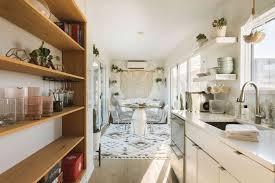 Benefits of Living in Smaller Homes,The Spruce
Space-Saving Design
- Multifunctional Furniture:
Sofa beds, storage ottomans, lift-top coffee tables, nesting tables.
Examples of specific products and brands. - Vertical Storage Solutions:
Tall bookshelves, wall-mounted cabinets, floating shelves.
How to utilize wall space effectively. - Hidden Storage:
Under-bed storage, built-in benches with storage, secret compartments.
Creative ideas for concealing clutter. - Foldable/Collapsible Items:
Folding desks, chairs, ironing boards.
Maximizing flexibility. - Mirrors:
Strategically placed mirrors to create the illusion of more space. - Sliding Doors:
Space saving and style adding.
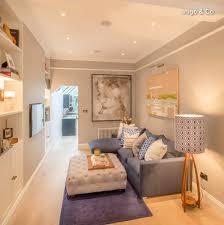 Space-Saving Design,Pinterest
Smart Layout Planning
- Open-Concept Living:
Combining living, dining, and kitchen areas to create a sense of spaciousness.
How to define zones within an open layout. - Zoning:
Creating distinct areas for different activities using furniture placement, rugs, and lighting. - Prioritizing Functionality:
Identifying essential needs and designing the layout around those needs. - Traffic Flow:
Ensuring easy movement throughout the house. - Scale and Proportion:
Choosing furniture that is appropriately sized for the space. - Consider the Golden Ratio for interior design:
Using mathematical ratio to create space aesthetically.
Maximizing Natural Light
- Large Windows and Skylights:
The importance of natural light in creating a bright and airy atmosphere.
Placement and orientation of windows. - Light-Colored Walls and Ceilings:
Reflecting light and making the space feel larger. - Minimal Window Treatments:
Using sheer curtains or blinds to allow maximum light penetration. - Mirrors:
Strategically placed to reflect and amplify natural light. - Light Wells:
Using light wells to brighten the dark areas of the home.
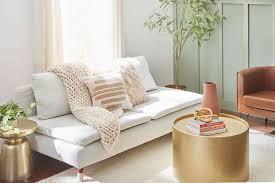 Maximizing Natural Light,The Spruce
Color and Material Choices
- Light and Neutral Color Palettes:
Creating a sense of spaciousness and airiness.
Using accent colors to add personality. - Monochromatic Color Schemes:
Creating a cohesive and calming atmosphere. - Textural Variety:
Adding visual interest through different textures and patterns. - Light-Reflecting Materials:
Using glossy surfaces and metallic accents to bounce light around the room. - Transparent Materials:
Glass, acrylic.
Letting light pass through. - Sustainable Material:
Using eco-friendly material for homes and spaces.
Personalizing Your Narrow Home
- Displaying Artwork and Photographs:
Adding personality and creating focal points. - Using Plants:
Bringing life and vibrancy into the space. - Adding Personal Touches:
Incorporating items that reflect your interests and hobbies. - Creating a Cozy Atmosphere:
Using soft textiles, warm lighting, and comfortable furniture. - Choosing a Signature Style:
Developing a cohesive design aesthetic. - Creating a mood board:
Before designing anything creating a mood board would give some inspiration for the design.
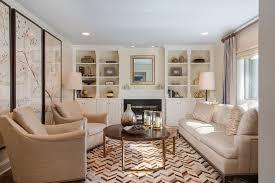 Personalizing Your Narrow Home,Pinterest
Conclusion
Designing for a narrow house presents unique challenges, but as you've seen, it also offers incredible opportunities for creativity and innovation. By embracing space-saving strategies, smart layout planning, and thoughtful design choices, you can transform your small space into a comfortable, stylish, and functional home that perfectly reflects your individual needs and preferences. Remember that the key is to prioritize functionality, maximize natural light, and personalize your space with elements that bring you joy. With a little planning and ingenuity, your narrow house can become a truly exceptional living space.

explore further
Latest from Contemporary ideas
More from Innovations
Resources


