





Table of Contents
- Introduction
- Understanding Heavy Rain Effects
- Preparation Before the Rain
- Protective Measures During Heavy Rain
- Post-Rain Care
- Long-Term Strategies
- Conclusion
- Faq's
Introduction
Heavy rains can significantly threaten garden plants, causing root rot, soil erosion, and nutrient leaching, which can jeopardize plant health and garden productivity. To safeguard your plants effectively, preparation is key. Before heavy rainfalls, ensure proper soil drainage by amending clay soils with organic matter like compost, which can improve aeration and water retention. Additionally, planting in raised beds can help elevate root systems above potential water pooling. During heavy rains, consider using protective measures such as placing barriers around vulnerable plants and applying mulch to reduce soil erosion. Utilizing rainwater harvesting systems can help manage excess water while providing irrigation during drier periods. After the storm, assess your garden for any signs of water damage, such as wilted leaves or waterlogged roots, and take immediate action to mitigate damage by gently aerating the soil and removing any affected plants. Implementing long-term strategies, such as selecting drought-resistant or native plant varieties, can enhance your garden's resilience to extreme weather. Regular soil testing and the use of cover crops can also promote soil health, ensuring your garden remains robust in the face of heavy rains. By integrating these strategies, gardeners can better prepare for and recover from heavy rainfall, ultimately leading to a more resilient and productive garden.
Understanding Heavy Rain Effects
Heavy rainfall can saturate the soil, creating waterlogged conditions that severely hinder root respiration, which is essential for plant health. When soil becomes overly saturated, roots may not receive the oxygen they need, leading to stress and potentially causing root rot or other health issues. Additionally, excessive moisture creates an environment conducive to fungal diseases, as pathogens thrive in damp conditions. The risks are compounded by the fact that intense downpours can result in soil erosion, which not only washes away vital nutrients but also destabilizes the plants anchored in the earth. This erosion can lead to a loss of topsoil, critical for healthy plant growth, and can contribute to sedimentation in nearby water bodies, harming aquatic ecosystems. Recognizing these effects is crucial for gardeners, who should consider implementing proactive measures such as improving drainage, using raised beds, and incorporating organic matter to enhance soil structure. Employing these strategies can help mitigate the impacts of heavy rainfall, ensuring that gardens remain healthy and resilient despite challenging weather conditions.
Preparation Before the Rain
Improve Drainage: Ensure your garden has proper drainage systems, such as raised beds or trenches, to prevent water accumulation.
Mulching: Apply a layer of organic mulch to protect soil structure and retain moisture.
Pruning: Trim overgrown branches to reduce wind resistance and the risk of breakage.
Secure Loose Structures: Make sure any garden structures, such as stakes for plants or trellises, are stable and secured.
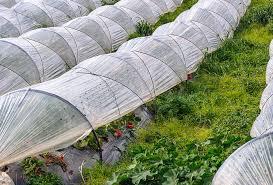 Plants Preparation Before the Rain,Pinterest
Protective Measures During Heavy Rain
Cover Plants: Use tarps, row covers, or cloches to shield delicate plants from excessive rain.
Move Potted Plants: Bring potted plants to a sheltered area to protect them from overwatering.
Monitor Soil Moisture: Use a moisture meter to check soil saturation and adjust care accordingly.
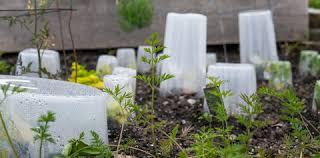 Protective Measures During Heavy Rain,Pinterest
Post-Rain Care
Inspect Plants: Check for signs of rot or fungal infections and remove any affected parts immediately.
Aerate Soil: Gently aerate compacted soil to promote drainage and restore root health.
Fertilize Sparingly: After heavy rains, be cautious with fertilizers to avoid additional stress on plants.
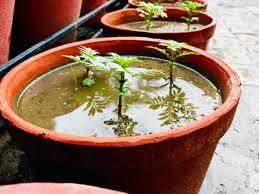 Plants Post-Rain Care,Pinterest
Long-Term Strategies
Choose Resilient Varieties: Select plants that are well-suited to your local climate and can withstand moisture extremes.
Practice Crop Rotation: Rotate crops to prevent soil depletion and improve soil structure.
Implement Water Management Techniques: Create swales or rain gardens to manage runoff and enhance water retention in your garden.
Conclusion
Protecting your plants from heavy rains requires an understanding of their effects and proactive measures before, during, and after rainfall. By implementing the strategies outlined in this guide, gardeners can safeguard their plants, ensuring healthy growth despite challenging weather conditions.

explore further
Latest from Contemporary ideas
More from Innovations
Resources


