





Table of Contents
- Introduction
- Understanding Potpourri
- Choosing the Right Potpourri
- Essential Materials for Centerpieces
- Step-by-Step Guide to Creating Potpourri Centerpieces
- Tips for Maintaining Freshness and Scent
- Creative Ideas and Inspirations
- Conclusion
- Faq's
Introduction
Elevating your living space can be as easy as incorporating beautiful, fragrant potpourri centerpieces. These stunning displays not only serve as eye-catching focal points but also provide delightful aromas that enhance your home ambiance. This guide will navigate you through the essentials of potpourri, from selection to creation, ensuring your centerpieces are both captivating and aromatic.
Understanding Potpourri
Potpourri, derived from the French words "pot" (pot) and "pourri" (rotten), is a seemingly simple yet surprisingly complex blend of dried plant materials that fills the air with pleasant aromas. While often associated with grandma's house or a quaint country store, potpourri boasts a history stretching back millennia and continues to evolve in both composition and purpose. Understanding potpourri requires exploring its evolution, ingredients, creation, and ongoing relevance in modern fragrance. Potpourri is a mixture of dried petals, leaves, herbs, and essential oils that are blended to provide fragrance and aesthetic appeal. Commonly used in bowls or decorative containers, potpourri can complement various decor styles and settings, making it versatile for any home environment.
The origins of potpourri lie in practicality. In the pre-refrigeration era, pleasant fragrances served a more critical purpose than simply appealing to the senses. Early forms of potpourri acted as air fresheners, masking unpleasant odors arising from less-than-hygienic living conditions. Flowers, herbs, and spices were gathered and left to dry, releasing their volatile oils into the air and helping to purify the environment.
Ancient civilizations like the Egyptians utilized fragrant ingredients in religious ceremonies, embalming processes, and as offerings to the gods. While not explicitly "potpourri" in the modern sense, these practices demonstrate a long-standing appreciation for the transformative power of scent.
The Victorian era witnessed a flourishing of potpourri culture. Elaborate recipes were passed down through generations, often involving specific drying techniques and a carefully curated blend of ingredients. Victorian potpourri frequently included fixatives like orris root or benzoin resin, which helped to preserve the fragrance for longer periods. Dried flower arrangements became increasingly popular, blurring the lines between purely decorative arrangements and fragrant potpourri.
Choosing the Right Potpourri
- Choosing the Container: Select a suitable container like a decorative bowl, glass vase, or wooden box that complements your decor style.
- Selecting Potpourri: Choose high-quality potpourri with a variety of textures and colors. Consider scents that enhance the ambiance of the space.
- Layering: Start by adding a base layer of filler (like dried leaves or twigs) for height and texture, then add the potpourri. Mix different types for visual interest.
- Adding Accents: Incorporate natural elements like flowers, pinecones, or stones to enhance the visual appeal.
- Utilizing Height Variations: Use varyingly sized containers or elements to create a dynamic arrangement.
- Incorporating Seasonal Themes: Change potpourri items to reflect seasons or holidays, using colors and scents appropriate for each.
- Lighting: Consider adding candles or fairy lights around the centerpiece for added ambiance.
- Maintenance: Refresh the potpourri regularly to maintain its scent and appearance.
By following these guidelines, you can create beautiful and aromatic centerpieces using potpourri that elevate the aesthetics of any space.
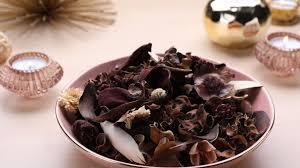 Home Decor with Potpourri,Moneycontrol
Essential Materials for Centerpieces
Container: Choose decorative bowls, glass jars, or vases that fit your aesthetic.
Potpourri: Select a blend that suits your desired scent and visual appeal.
Additional Decor Items: Consider incorporating candles, crystals, or seasonal elements like pinecones or flowers for added depth and interest.
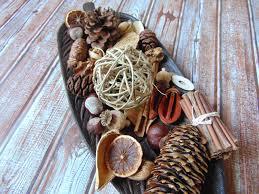 Essential Materials for Centerpieces,Pinterest
Step-by-Step Guide to Creating Potpourri Centerpieces
- Gather Your Ingredients: Collect a variety of dried flowers, herbs, and fixatives that you wish to use in your potpourri
- Prepare the Base: Choose a decorative bowl or container that fits your aesthetic. It can be ceramic, glass, or wood.
- Mix the Dried Ingredients: In a separate bowl, combine your dried flowers and herbs. For a balanced mix, aim for a 2:1 ratio of flowers to herbs.
- Add Fixatives: Include fixatives to help retain the scent. Mix in a small amount of orris root powder or ground spices.
- Scenting (Optional): If desired, add a few drops of essential oils to enhance the fragrance. Stir the mixture thoroughly after adding oils.
- Incorporate Seasonal Accents: Add items like cinnamon sticks, dried citrus slices, or pine cones for visual interest.
- Arrange in the Container: Pour your potpourri mixture into the chosen decorative bowl, ensuring it's full but not overflowing.
- Decorate the Centerpiece: Optionally, wrap ribbon or twine around the bowl, or add decorative elements as desired to enhance the centerpiece's look.
- Display: Place your potpourri centerpiece on a table or shelf, ensuring it is in a location where its scent can be appreciated.
- Refresh as Needed: Every few weeks, stir the potpourri or add additional essential oils to refresh the scent.
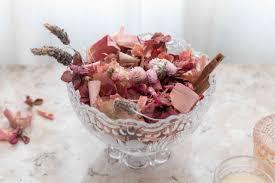 Guide to Creating Potpourri Centerpieces,The Spruce
Tips for Maintaining Freshness and Scent
Here are some tips for maintaining the freshness and scent of potpourri centerpieces:
- Choose Quality Ingredients: Use fresh, high-quality dried flowers, herbs, and spices to ensure a strong initial scent.
- Regularly Refresh: Stir the potpourri occasionally to release the oils and scents. Add a few drops of essential oils to revive the fragrance.
- Store Properly: Keep potpourri in a cool, dry place away from direct sunlight to prevent fading and loss of scent.
- Seal for Longevity: If not used immediately, store leftover potpourri in an airtight container to maintain freshness.
- Avoid Humidity: Keep potpourri away from humid environments, as moisture can lead to mold and reduce fragrance intensity.
- Reintroduce Fragrance: Periodically add fixatives like orris root to help hold and enhance the scent.
- Seasonal Changes: Update potpourri with seasonal ingredients for a refreshing change in scent.
Creative Ideas and Inspirations
Seasonal Themes: Use potpourri to reflect seasons pumpkin spice for autumn or citrus blends for summer.
Event Centerpieces: Create tailored potpourri mixes for weddings, holidays, or parties to match themes.
Unique Containers: Repurpose items such as teacups or wooden crates to create bespoke centerpieces.
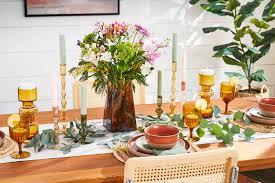 Creative Ideas and Inspirations Potpourri Centerpieces,The Spruce
Conclusion
Creating stunning potpourri centerpieces is a wonderful way to enhance your home decor with fragrance and beauty. By understanding potpourri, choosing the right materials, and following a straightforward creation process, you can create captivating arrangements that elevate your space.

explore further
Latest from Contemporary ideas
More from Innovations
Resources


