





Table of Contents
- Introduction
- Importance of Ergonomics in Daily Life
- The Principles of Ergonomic Design
- Ergonomic Design in the Workplace
- Ergonomics in Home Life
- Ergonomic Technology
- Ergonomics in Physical Activities
- Conclusion
- Faq's
Introduction
In today's fast-paced world, we spend countless hours interacting with our environment, whether at work, home, or engaging in physical activities. Often, we prioritize speed and efficiency over comfort and well-being. However, this can lead to discomfort, pain, and even long-term health issues. This is where the principles of ergonomics come into play. Ergonomics, at its core, is about designing and arranging things people use so that the people and things interact most efficiently and safely - aiming to optimize human well-being and overall system performance. By applying ergonomic principles in our daily lives, we can create environments that are more comfortable, efficient, and supportive of our physical and mental health, leading to a better quality of life. This guide explores the vital role of ergonomic design across various aspects of daily living, from the workplace to our homes, and even in our leisure activities.
Importance of Ergonomics in Daily Life
Ergonomics isn't just about fancy office chairs or specialized equipment; it's a philosophy of design that profoundly impacts our overall health and well-being. Here's why incorporating ergonomics into daily life is crucial:
- Injury Prevention: Poor posture, repetitive motions, and awkward positions can lead to musculoskeletal disorders (MSDs) like carpal tunnel syndrome, back pain, neck pain, and tendonitis. Ergonomics aims to minimize these risks.
- Improved Comfort: A well-designed environment reduces physical strain, leading to increased comfort and reduced fatigue. This allows us to focus on tasks without the distraction of pain or discomfort.
- Increased Productivity: When we're comfortable and free from pain, we can concentrate better and work more efficiently. Ergonomics optimizes our environment to support peak performance.
- Enhanced Well-being: Ergonomics considers the psychological and cognitive aspects of work. Reducing stress and improving the user experience leads to a greater sense of well-being.
- Long-Term Health: Investing in ergonomics is an investment in your long-term health. Preventing injuries and reducing strain can help avoid chronic pain and disability later in life.
- Reduced Healthcare Costs: By preventing injuries and promoting healthy habits, ergonomics can reduce the need for medical treatment and rehabilitation.
 Importance of Ergonomics in Daily Life,Pinterest
The Principles of Ergonomic Design
Ergonomic design isn't random; it's based on a set of well-established principles:
- Maintain a Neutral Posture: Aim for a body position that is balanced and aligned, minimizing stress on joints and muscles. This involves keeping your spine straight, shoulders relaxed, and wrists in a neutral position.
- Reduce Excessive Force: Minimize the amount of physical effort required to perform tasks. Use tools and equipment that reduce the need for excessive pushing, pulling, or lifting.
- Keep Everything Within Reach: Arrange your workspace so that frequently used items are easily accessible, minimizing the need to stretch or twist.
- Work at Proper Heights: Adjust the height of your chair, desk, and other surfaces to ensure that you can work comfortably without hunching or straining.
- Reduce Excessive Motion: Streamline tasks to minimize the number of repetitive movements. Automate tasks when possible and take frequent breaks to stretch and move.
- Minimize Static Load: Avoid prolonged periods of sitting or standing in the same position. Alternate between postures and take breaks to move around.
- Reduce Pressure Points: Ensure that your body is not subjected to excessive pressure from chairs, tools, or other objects. Use padded surfaces and adjustable supports.
- Provide Clearance: Ensure adequate space for movement and avoid obstacles that could cause tripping or bumping.
- Maintain a Comfortable Environment: Control factors such as temperature, humidity, lighting, and noise levels to create a comfortable and productive work environment.
- Promote Movement and Stretching: Encourage regular breaks and stretching exercises to prevent muscle fatigue and stiffness.
 Principles of Ergonomic Design,Pinterest
Ergonomic Design in the Workplace
The workplace is a primary area where ergonomics can have a significant impact:
- Office Ergonomics:
Chair: A good ergonomic chair provides adjustable height, lumbar support, armrests, and a comfortable seat.
Desk: The desk should be at a height that allows you to type with your elbows at a 90-degree angle. Consider a standing desk or a sit-stand converter.
Monitor: Position the monitor at arm's length and at eye level to prevent neck strain.
Keyboard and Mouse: Use an ergonomic keyboard and mouse that promotes a neutral wrist posture.
Lighting: Ensure adequate lighting to reduce eye strain. - Industrial Ergonomics:
Material Handling: Use lifting aids, conveyors, and other equipment to reduce the risk of back injuries.
Tool Design: Use tools that are designed to fit comfortably in the hand and minimize vibration.
Workstation Layout: Arrange workstations to minimize reaching, bending, and twisting.
Job Rotation: Rotate employees between different tasks to reduce repetitive strain. - Remote Work:
Apply the same ergonomic principles as in a traditional office.
Create a dedicated workspace separate from your living area.
Take frequent breaks to stretch and move around.
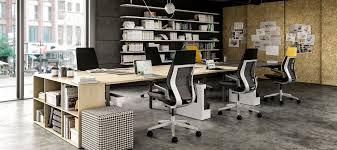 Ergonomic Design in the Workplace,Pinterest
Ergonomics in Home Life
Ergonomics isn't just for the office; it's equally important at home:
- Kitchen Ergonomics:
Counter Height: Adjust counter heights to prevent back strain while cooking.
Storage: Store frequently used items within easy reach.
Appliance Placement: Arrange appliances to minimize bending and lifting. - Living Room Ergonomics:
Seating: Choose sofas and chairs with good lumbar support.
TV Placement: Position the TV at eye level to prevent neck strain.
Lighting: Use adjustable lighting to create a comfortable and relaxing environment. - Bedroom Ergonomics:
Mattress and Pillow: Choose a mattress and pillow that provide proper support for your spine.
Bed Height: Ensure that the bed is at a comfortable height for getting in and out.
Reading: Use a book stand or adjustable lamp to prevent neck strain while reading in bed. - Gardening Ergonomics:
Tools: Use lightweight tools with ergonomic handles.
Posture: Maintain a good posture while gardening, avoiding bending and twisting.
Kneeling Pads: Use kneeling pads to protect your knees while working on the ground.
Ergonomic Technology
Technology plays a vital role in promoting ergonomics:
- Ergonomic Software: Software can help you track your posture, remind you to take breaks, and provide feedback on your work habits.
- Voice Recognition Software: Use voice recognition software to reduce the amount of typing you need to do.
- Adjustable Desks and Chairs: Electric adjustable desks and chairs allow you to easily switch between sitting and standing throughout the day.
- Wearable Technology: Wearable devices can track your movement and provide feedback on your posture and activity levels.
- Lighting Controls: Smart lighting systems can automatically adjust the lighting levels to optimize comfort and productivity.
Ergonomics in Physical Activities
Ergonomics extends beyond static environments and applies to how we move and exercise:
- Proper Lifting Techniques: Learn how to lift heavy objects safely, using your legs instead of your back.
- Exercise Form: Pay attention to proper form and technique when exercising to prevent injuries.
- Sports Equipment: Choose sports equipment that is properly sized and fitted to your body.
- Warm-up and Cool-down: Always warm up before exercising and cool down afterward to prepare your muscles for activity and prevent injury.
- Listen to Your Body: Pay attention to pain signals and stop exercising if you experience discomfort.
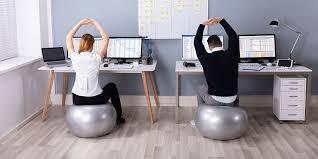 Ergonomics in Physical Activities,Pinterest
Conclusion
Ergonomics is more than just a set of guidelines; it's a proactive approach to designing our lives for comfort, efficiency, and well-being. By understanding and implementing the principles of ergonomics in our workplaces, homes, and daily activities, we can significantly reduce the risk of injuries, improve our productivity, and enhance our overall quality of life. Make a conscious effort to incorporate ergonomic design into your routines, and you'll reap the benefits of a healthier, more comfortable, and more productive lifestyle.

explore further
Latest from Contemporary ideas
More from Innovations
Resources


