





Table of Contents
- Introduction
- Understanding Blackout Curtains
- Benefits of Blackout Curtains
- Factors to Consider Before Purchase
- Thermal Insulation Properties
- Noise Reduction Capabilities
- Light Blocking Levels
- Conclusion
- Faq's
Introduction
Are you tired of harsh morning light disrupting your sleep? Do you want to reduce energy costs and create a more comfortable and private living space? Blackout curtains offer a stylish and effective solution to these problems. But with so many options available, choosing the right blackout curtains can feel overwhelming. This comprehensive guide provides essential information to help you make an informed decision and select the perfect blackout curtains for your needs. We'll cover everything from understanding how blackout curtains work to considering key factors before you buy, ensuring you get the most out of your investment.
Understanding Blackout Curtains
Blackout curtains are designed to block a significant amount of light from entering a room. They achieve this through a combination of tightly woven fabrics, often with multiple layers and a special blackout lining or coating. This lining is typically made of a dense, opaque material that prevents light from passing through. Unlike regular curtains, which merely filter light, true blackout curtains aim to eliminate it almost entirely, creating a darkened environment suitable for sleeping, watching movies, or achieving optimal privacy.
Benefits of Blackout Curtains
- Improved Sleep: By blocking out unwanted light, blackout curtains promote better sleep quality and help regulate your body's natural sleep-wake cycle.
- Energy Savings: Blackout curtains provide thermal insulation, helping to keep rooms cooler in the summer and warmer in the winter, reducing energy consumption and lowering utility bills.
- Enhanced Privacy: The opaque nature of blackout curtains ensures complete privacy by preventing anyone from seeing into your home.
- Noise Reduction: While not soundproof, blackout curtains can help dampen outside noise, creating a quieter and more peaceful environment.
- Protection of Furniture: Blocking harmful UV rays helps to prevent furniture and flooring from fading over time.
- Enhanced Home Theater Experience: Blackout curtains help create a cinematic viewing experience by eliminating glare and reflections on the screen.
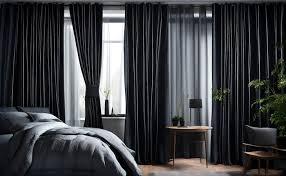 Benefits of Blackout Curtains,Saatva
Factors to Consider Before Purchase
- Room Type: Consider the specific needs of each room. Bedrooms typically require the highest level of light blocking, while living rooms may benefit from slightly less intense blackout.
- Window Size and Placement: Accurately measure your windows (width and length) to ensure the curtains are the correct size. Consider the direction your windows face (east-facing windows will receive more morning sun).
- Fabric Type and Color: Choose a fabric that complements your decor and offers the desired level of light blocking. Darker colors generally block more light than lighter colors. Common fabrics include polyester blends, microfiber, and heavier materials like velvet or canvas.
- Lining Type: Blackout curtains typically use a blackout lining. Different types of linings affect light blocking, drape, and overall look. Look for linings made of multiple layers.
- Header Style: The header style (e.g., grommet, rod pocket, pleats) affects the curtain's appearance and how it hangs.
- Maintenance: Consider the care instructions for the fabric. Some blackout curtains are machine washable, while others may require dry cleaning.
- Budget: Blackout curtains range in price depending on the fabric, size, and features. Determine your budget before you start shopping.
- Desired Aesthetics: Look for curtains that match your interior design preferences.
Thermal Insulation Properties
Blackout curtains act as a thermal barrier, minimizing heat transfer through windows. In the summer, they block sunlight, preventing heat from entering the room and keeping it cooler. In the winter, they help to trap heat inside, reducing heat loss through the windows and lowering heating costs. The thicker the fabric and the more layers the curtain has, the greater its thermal insulation properties will be.
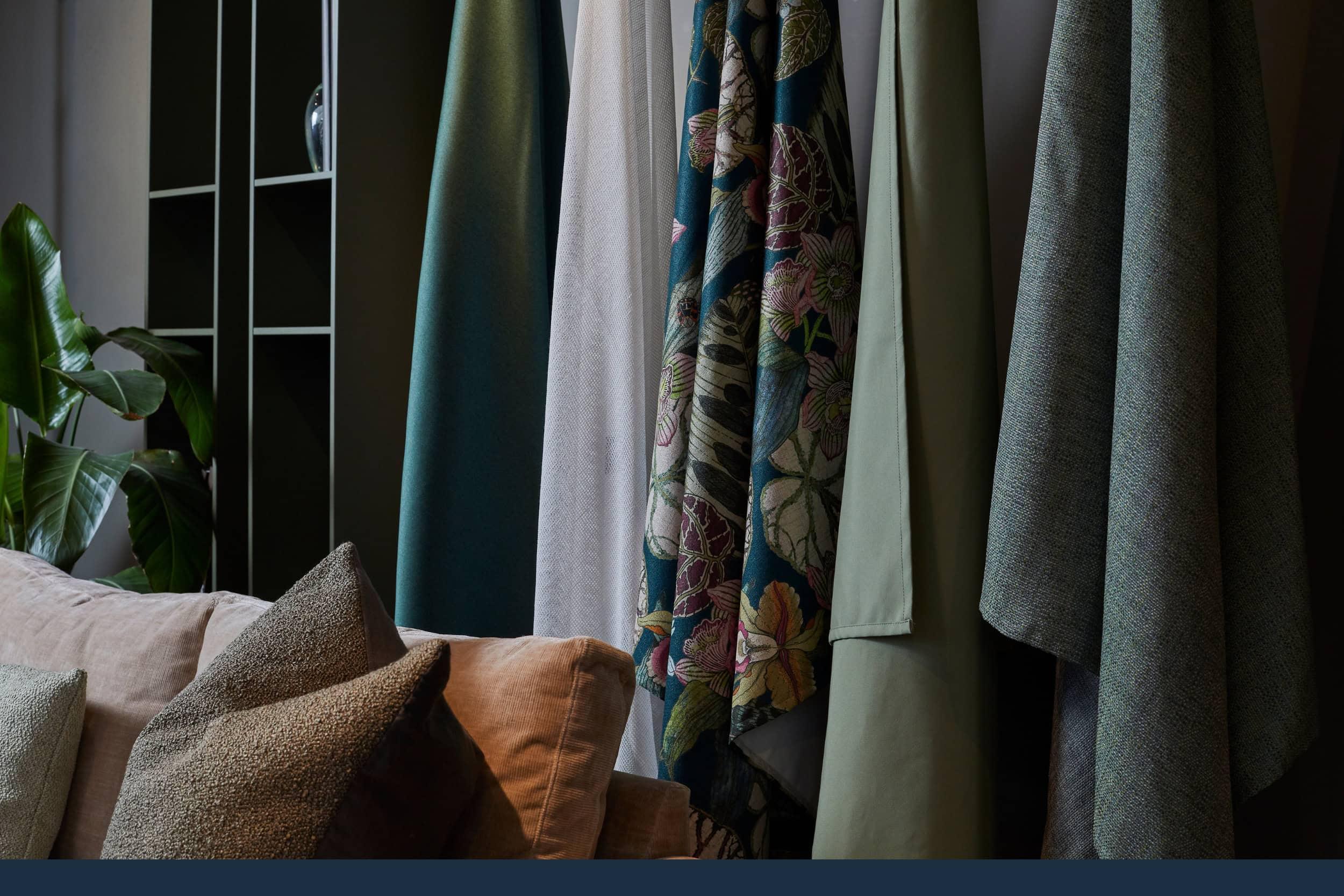 Thermal Insulation blackout curtains,Edmund Bell
Noise Reduction Capabilities
The dense fabric of blackout curtains can help to absorb sound waves, reducing the amount of noise that enters a room from the outside. While they won't completely eliminate noise, they can significantly dampen sounds such as traffic, construction, or noisy neighbors, creating a more peaceful and relaxing environment. The heavier and denser the fabric, the better the noise reduction.
Light Blocking Levels
Not all blackout curtains are created equal. Light blocking levels can vary depending on the fabric, lining, and color.
Room Darkening Curtains: These curtains block approximately 80-95% of light. They are a good option for living rooms or media rooms where you want to reduce glare but not completely eliminate light.
True Blackout Curtains: These curtains block 99-100% of light, creating a completely dark environment. They are ideal for bedrooms, nurseries, or home theaters.
Consider edge light: Light can still enter around the edges of the curtains. Layering curtains or using valances can further minimize light seepage.
Conclusion
Choosing the right blackout curtains can significantly enhance your comfort, privacy, and energy efficiency. By considering the factors outlined in this guide - room type, window size, fabric, lining, light blocking level, and desired aesthetics - you can make an informed decision and select the perfect blackout curtains to transform your living space.

explore further
Latest from Contemporary ideas
More from Innovations
Resources


