




Table of Contents
- Introduction
- Importance of Lighting in Home Design
- Understanding Light Temperature
- Effects of Warm Light
- Effects of Cool Light
- Choosing the Right Light for Different Rooms
- Layering Light for Maximum Effect
- Conclusion
- Faq's
Introduction
Lighting plays a crucial role in home design, influencing both mood and functionality. The choice between warm and cool light can dramatically change the atmosphere of a room. Understanding the characteristics of different light temperatures helps homeowners make informed decisions that enhance their living spaces. This guide explores the importance of lighting in home design, the concept of light temperature, and practical tips for selecting the perfect lighting solutions for every room in your home.
Importance of Lighting in Home Design
Lighting is one of the most powerful elements in interior design. It not only illuminates a space but also shapes the overall ambiance and experience of the home. Proper lighting can create a sense of warmth and comfort, highlight architectural features, and improve the functionality of different areas. The right lighting can even influence emotions; bright, cool lights can promote alertness, while warm lights can encourage relaxation and coziness.
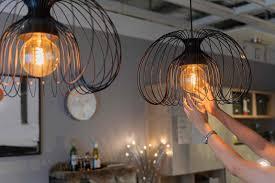 Importance of Lighting in Home Design,Pinterest
Understanding Light Temperature
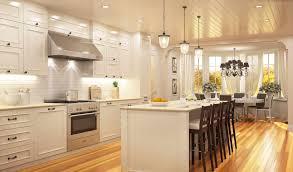
Light temperature, measured in Kelvin (K), describes the color appearance of light, ranging from warm to cool tones. Here's a quick breakdown:
- Warm Light: 2700K to 3000K creates a cozy, inviting atmosphere; often used in living rooms, bedrooms, and dining areas.
- Neutral Light: 3500K to 4100K provides a balanced color representation; suitable for kitchens and bathrooms.
- Cool Light: 5000K to 6500K casts a bright, energizing glow; ideal for workspaces and areas requiring focus.
Choosing the right light temperature not only affects the aesthetics of a room but can also influence daily activities and routines.
 Understanding Light Temperature,Pinterest
Effects of Warm Light
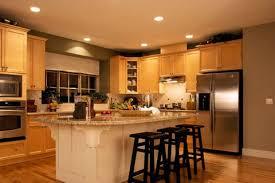
Warm lighting, with its rich, golden glow, fosters a sense of intimacy and comfort. It is ideal for relaxation spaces such as:
- Living Rooms: Enhances coziness during gatherings.
- Bedrooms: Promotes calmness, encouraging restful sleep.
- Dining Areas: Complements culinary experiences and social interactions.
Warm light can also diminish the harshness of shadow, making spaces feel inviting and homey. Its soothing qualities are particularly beneficial in areas designed for leisure and socializing.
 Effects of Warm Light,Pinterest
Effects of Cool Light
Cool lighting, on the other hand, brings a crisp and clean quality to spaces. It is particularly effective in:
- Workspaces or Offices: Increases concentration and alertness.
- Kitchens and Bathrooms: Brightens these areas, making tasks easier and more efficient.
- Entryways: Provides clarity and ensures safety when entering and exiting the home.
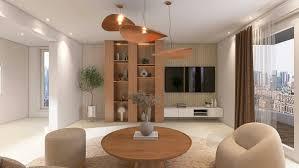
Cool light simulates daylight and can make spaces feel more open and larger, making it suitable for more active and functional spaces.
 Effects of Cool Light,Pinterest
Choosing the Right Light for Different Rooms
When selecting lighting for your home, consider the purpose of each space:
- Living Room: Opt for warm lighting to create a welcoming environment. Use layered lighting, including table lamps and floor lamps, to enhance the layered effect.
- Kitchen: A combination of neutral and cool lighting works best in kitchens. Under-cabinet lighting can enhance visibility while providing a warm ambiance.
- Bedroom: Stick to warm light fixtures to promote relaxation. Dimmable lights can help adjust the mood throughout the evening.
- Bathroom: Bright and cool lights are essential for practical tasks, such as grooming. Consider using fixtures that mimic natural daylight.
- Office: Efficient, cool lighting helps maintain alertness and productivity, particularly during extended work sessions.
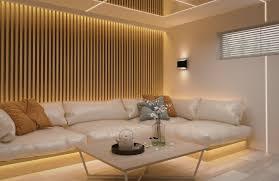 Right Light for Different Rooms,Pinterest
Layering Light for Maximum Effect
Layering is a technique that combines different types of lighting ambient, task, and accent to enhance the functionality and aesthetics of a space. This approach allows for flexibility in mood and utility, ensuring that you can adjust the lighting based on your needs:
- Ambient Lighting: Provides overall illumination; can be achieved through ceiling fixtures or wall-mounted lights.
- Task Lighting: Focused lighting for specific activities; desk lamps and under-cabinet lighting fit this category.
- Accent Lighting: Highlights architectural features, artwork, and decor; use spotlights or wall sconces for effect.
By thoughtfully layering your lighting, you can create a dynamic space that boosts productivity and provides comfort.
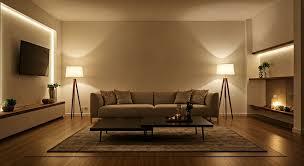 Layering Light for Maximum Effect,Pinterest
Conclusion
Choosing the right lighting for your home is a critical aspect of interior design that can enhance both functionality and ambiance. Whether you lean toward warm or cool light depends largely on the intended use of each room while considering personal preferences. Remember to experiment with different layers of light to create a space that feels inviting, productive, and distinctively yours.

explore further
Latest from Contemporary ideas
More from Innovations
Resources


