




Table of Contents
- Introduction
- Assessing Space and Structure
- Choosing the Right Containers
- Selecting Suitable Plants
- Soil and Fertilization
- Watering Strategies
- Pest and Disease Management
- Conclusion
- Faq's
Introduction
Terrace gardening is more than just a trend; it's a rewarding way to connect with nature, beautify your living space, and even grow your own food, all within the confines of your urban dwelling. Whether you have a sprawling rooftop or a cozy balcony, with careful planning and the right knowledge, you can create a thriving green haven. This guide will walk you through the essential considerations for establishing and maintaining a flourishing terrace garden, covering everything from assessing your space to combating pests and diseases. Let's unlock the potential of your terrace and transform it into a vibrant oasis!
Assessing Space and Structure
Before planting, assess your terrace's space and structural integrity. Consider weight limits, sunlight exposure, and wind patterns. Measure the area to determine how many containers and plants can fit. Ensure the terrace can support the added weight of soil, containers, and water, and evaluate how much sunlight different areas receive throughout the day to make informed plant choices.
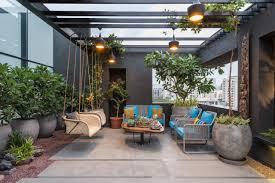 Terrace Garden, Pinterest
Choosing the Right Containers
Select containers that suit your chosen plants and accommodate your terrace's aesthetic. Consider size, material (clay, plastic, metal), and drainage capabilities. Ensure pots have drainage holes to prevent waterlogging. Use self-watering containers if possible to reduce maintenance and ensure consistent moisture levels.
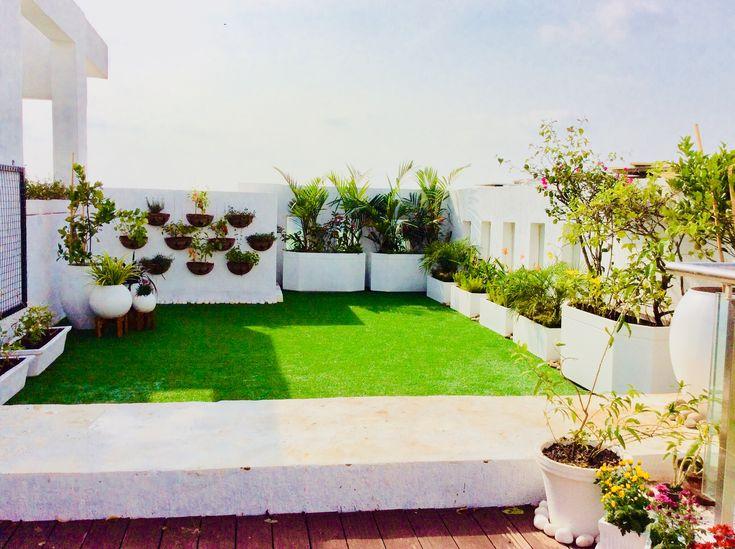 Choose Right Containers, Pinterest
Selecting Suitable Plants
Choose plants that are well-suited to your terrace's conditions:
- Sunlight Requirements: Match plants to the amount of sunlight your terrace receives. Sun-loving plants won't thrive in shade, and vice versa.
- Wind Tolerance: Select plants that can withstand wind exposure. Sturdy, compact plants are generally better than tall, delicate ones.
- Water Needs: Group plants with similar watering needs together.
- Mature Size: Consider the mature size of the plant and choose containers accordingly.
- Consider Vertical Gardening: Climbing plants on trellises, hanging baskets, and wall-mounted planters can maximize space and add visual interest.
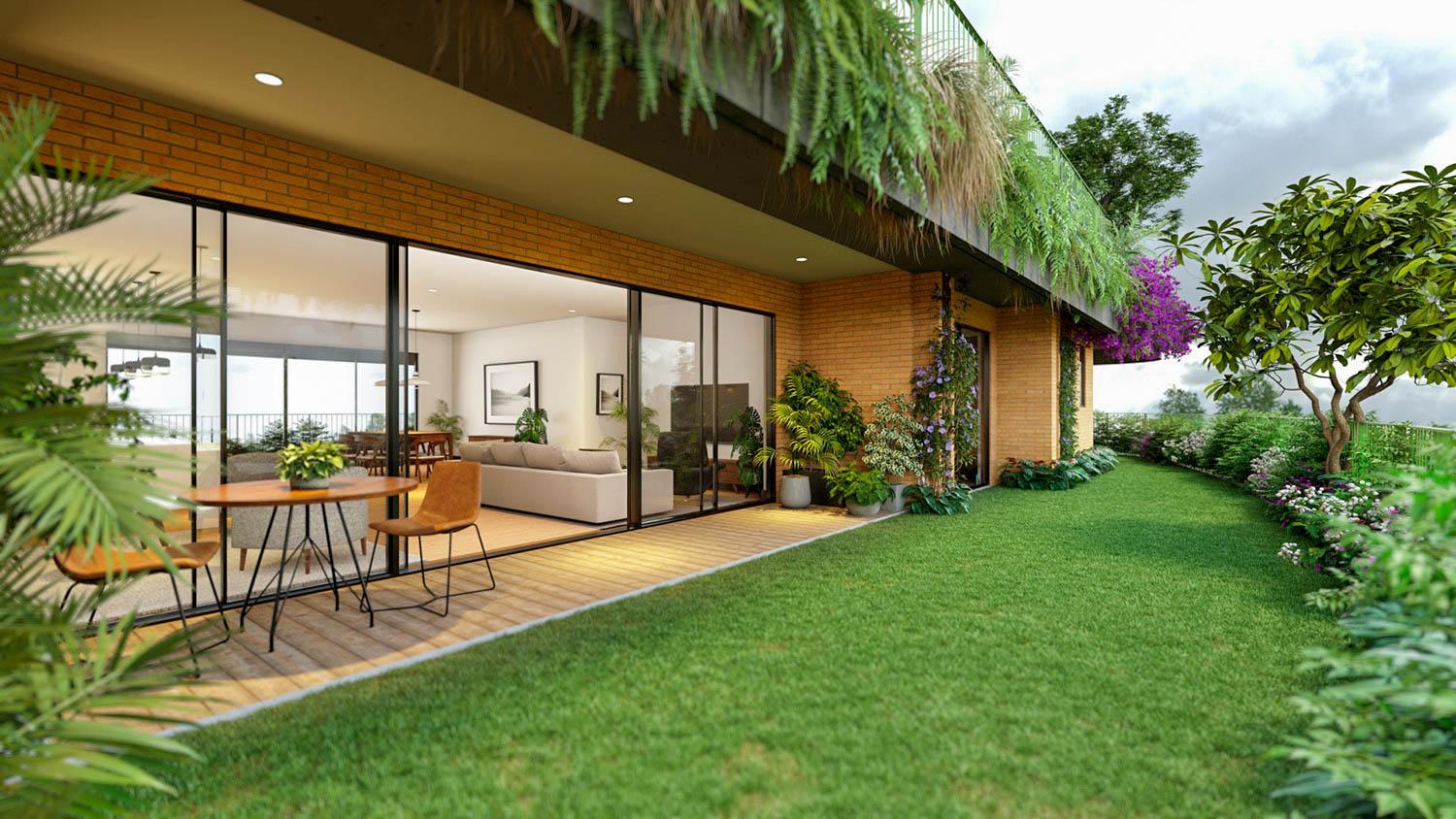 Selecting Suitable Plants, Pinterest
Soil and Fertilization
Use high-quality potting soil that offers good drainage and aeration. A lightweight mix enriched with organic matter is ideal for container gardening. Regularly fertilize with a balanced, slow-release organic fertilizer to ensure plants receive adequate nutrients throughout the growing season.
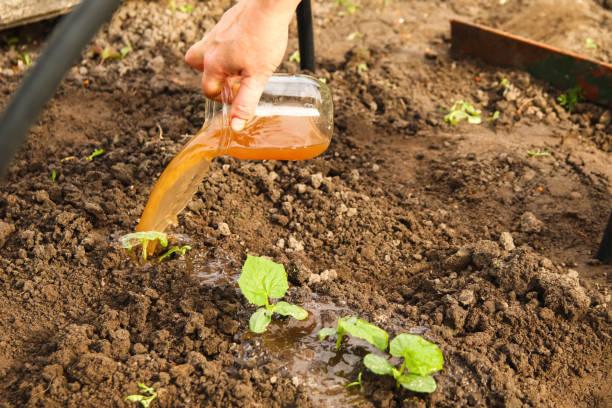 Soil and Fertilization, iStock
Watering Strategies
Establish a consistent watering routine, adjusting based on the season and plant requirements. Check soil moisture levels frequently, as container plants typically dry out faster than those in ground gardens. Consider drip irrigation or soaker hoses for efficiency. Water early in the morning or late in the afternoon to minimize evaporation.
Pest and Disease Management
Monitor plants regularly for signs of pests and diseases. Implement integrated pest management techniques, such as introducing beneficial insects, using organic pesticides, and maintaining good hygiene by removing dead leaves and debris. Ensure proper plant spacing for air circulation and avoid overwatering to reduce disease risk.
Conclusion
With careful planning and commitment, a terrace garden can thrive and provide a peaceful retreat amid urban living. By assessing your space, selecting the right containers and plants, and implementing effective maintenance strategies, you can enjoy a flourishing garden that enhances both your home and well-being.

explore further
Latest from Contemporary ideas
More from Innovations
Resources


