





Table of Contents
- Introduction
- Understanding Texture in Design
- Types of Textured Walls
- Incorporating Textured Walls into Your Farmhouse Living Room
- DIY vs. Professional Installation
- Maintaining Textured Walls
- Conclusion
- Faq's
Introduction
Farmhouse aesthetics are characterized by warmth, comfort, and a blend of rustic charm with modern sensibilities. One effective way to elevate your farmhouse living room is by incorporating textured walls. Textured walls can add depth, interest, and a unique character that traditional flat walls lack. In this comprehensive guide, we will explore the various types of textured walls, how to seamlessly integrate them into your farmhouse design, and tips for maintaining these beautiful surfaces.
Understanding Texture in Design
Texture in design refers to the surface quality of objects and how they interact with light, creating visual and tactile experiences. It can be categorized into two types: actual texture (the physical feel of a surface) and visual texture (the illusion of texture created by patterns and colors). In farmhouse design, textures are crucial for fostering an inviting atmosphere. They can enhance the rustic appeal of wooden elements, soften the starkness of modern materials, and create layers of interest in your living space.
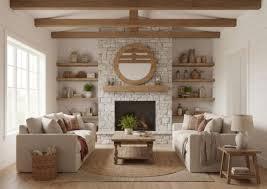 Understanding Texture in Design,Pinterest
Types of Textured Walls
- Wood Paneling: Shiplap and reclaimed wood can create a classic farmhouse look. They add warmth while providing an authentic rustic feel.
- Brick: Exposed brick walls can serve as a stunning focal point. They exhibit timeless charm and can complement various design elements.
- Woven Textiles: Wall hangings, macramé, or fabric panels can introduce a soft texture to the walls, making the space feel cozy and inviting.
- Plaster and Stucco: These materials offer a unique tactile surface that suits both modern and traditional farmhouse designs, often gracing accent walls or entire rooms.
- Wallpaper: Textured wallpapers, featuring patterns or raised designs, can add depth without overwhelming the space.
- Paint Techniques: Techniques like sponging, rag rolling, or ombre can create a subtle texture. This option is often less permanent and can be a great DIY project.
- 3D Wall Panels: Modern designs featuring raised patterns or geometric shapes can bring an innovative twist to a farmhouse aesthetic.
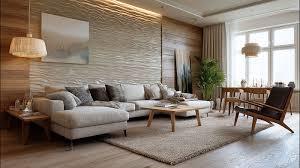 Types of Textured Walls,Pinterest
Incorporating Textured Walls into Your Farmhouse Living Room
- Focal Wall: Choose a single wall to texture, acting as a focal point in the room. This could be behind a fireplace or a media center, drawing the eye and providing visual interest.
- Complementary Colors: Select colors that harmonize with your existing decor. Neutral tones typically work best in farmhouse designs, allowing the texture to stand out without overwhelming the space.
- Mixing Textures: Combine different types of textures for a layered effect. For instance, pairing a wooden shiplap wall with fabric wall hangings can create visual contrast and richness.
- Furniture and Accessories: Consider how your furniture and decor will complement the textured walls. Natural materials like wood, leather, and linens can enhance the cozy farmhouse vibe.
- Lighting: Utilize lighting to accentuate the textured walls. Up-lighting or strategically placed lamps can cast shadows that highlight the texture's dimensional qualities, especially in the evening.
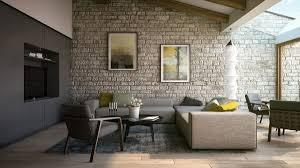 Textured Walls into Your Farmhouse Living Room,Pinterest
DIY vs. Professional Installation
- DIY Installation: Many textured wall options, like painting techniques and wallpaper, can be undertaken as DIY projects. They can be cost-effective and allow for personalized touch. Resources like online tutorials can provide guidance, making it accessible for homeowners with a bit of craftsmanship.
- Professional Installation: For more complex textures, such as plaster or 3D panels, hiring a professional may be worthwhile. Professionals can ensure that materials are applied correctly, providing a polished final appearance while saving time and potential future repair costs.
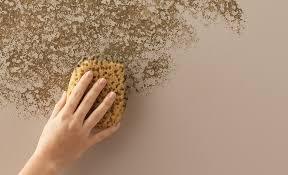 Installation of Textured Walls Living Room,Pinterest
Maintaining Textured Walls
- Regular Cleaning: Dust and dirt can accumulate on textured surfaces, so regular cleaning is essential. Use a soft brush or vacuum attachment for delicate textures like fabric or woven materials.
- Touching Up Paint: If your textured wall is painted, keep additional paint for touch-ups, especially in high-traffic areas where scratches or stains may occur.
- Moisture Control: Ensure that moisture does not compromise textured walls, particularly with materials like plaster. Maintain proper ventilation, especially in humid climates.
- Repairing Damage: Address damages quickly to prevent further deterioration. Minor repairs might be manageable on your own, but intricate textures may require a professional.
 Maintaining Textured Walls,Pinterest
Conclusion
Incorporating textured walls into your farmhouse living room can elevate the space from ordinary to extraordinary. The warmth and depth of textures not only enhance the aesthetic appeal but also create a more inviting atmosphere. With a wide array of options available ranging from wood paneling to plaster homeowners can find the perfect fit for their decorating style. Whether opting for DIY or professional help, maintaining these stunning features will ensure that your living room remains a focal point of comfort and style for years to come.

explore further
Latest from Contemporary ideas
More from Innovations
Resources


