





Table of Contents
- Introduction
- Origins of Japandi Design
- Key Characteristics of Japandi Decor
- Creating a Japandi Space
- Japandi Decor in Different Rooms
- Maintaining a Japandi Aesthetic
- Conclusion
- Faq's
Introduction
Japandi decor seamlessly fuses the serene, earthy elements of Japanese design with the cozy, functional principles of Scandinavian aesthetics, resulting in an interior style that embodies tranquility and sophistication. Characterized by clean lines, neutral color palettes, and natural materials, Japandi emphasizes the beauty of simplicity and intentionality in every detail. The use of handcrafted wooden furniture, organic textiles, and elements like plants and natural light creates a soothing atmosphere that encourages mindfulness and connection to nature. Furthermore, the philosophy prioritizes functionality, ensuring that each piece serves a purpose while contributing to the overall harmony of the space. This balance between minimalism and warmth makes Japandi decor an ideal choice for modern living, fostering environments that are both stylish and conducive to relaxation and well-being. By embracing the principles of wabi-sabi, which appreciates the beauty of imperfection, Japandi adds depth and character to interiors, inviting a sense of peace and grounding in today's fast-paced world.
Origins of Japandi Design
Japandi design, emerging from the harmonious blend of Japanese zen philosophy and Scandinavian practicality, creates an aesthetic that prioritizes both beauty and tranquility. Japanese design is characterized by its minimalism, incorporation of natural materials such as wood, paper, and stone, and an emphasis on craftsmanship, which fosters a serene environment. In contrast, Scandinavian design values functionality, comfort, and ergonomic principles, often utilizing light, airy spaces and soft textiles to promote a cozy atmosphere. The fusion of these two styles leads to interiors that are not only visually elegant but also evoke a sense of peace and mindfulness. Japandi emphasizes neutral color palettes, clean lines, and uncluttered spaces, allowing for a seamless transition between indoor and outdoor environments. The overall effect is a calming sanctuary that encourages relaxation while maintaining a practical and functional living space, appealing to those seeking both aesthetic beauty and a sense of well-being in their homes.
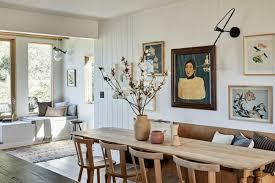 Japandi Design,Decorilla
Key Characteristics of Japandi Decor
- Minimalism: A focus on essential furniture and decor, avoiding clutter.
- Natural Materials: Use of wood, bamboo, and stone to connect with nature.
- Neutral Color Palette: Soft, muted tones like beige, gray, and soft pastels create serenity.
- Functional Furniture: Pieces that serve multiple purposes without sacrificing style.
- Craftsmanship: Emphasis on quality and artisanal craftsmanship.
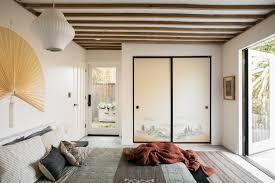 Characteristics of Japandi Decor,Pinterest
Creating a Japandi Space
To create a Japandi-inspired room, begin by embracing a minimalist aesthetic that emphasizes functionality and tranquility. Start by decluttering the space, removing any non-essential items to foster a serene environment. Select furniture with clean lines and a refined silhouette, prioritizing natural materials such as wood, bamboo, and rattan, which resonate with both Japanese and Scandinavian design principles. Integrate greenery through strategically placed plants to bring a sense of nature indoors, promoting relaxation and well-being. Layer textiles thoughtfully; use a combination of soft throws, cushions, and rugs in muted, earthy tones to add warmth and coziness while maintaining an overall sense of simplicity. Balance is key: ensure that each element harmonizes with the others, creating a cohesive look that feels both inviting and peaceful. Incorporate decorative elements like ceramics and handcrafted items that reflect a connection to nature and artistry, enhancing the aesthetic without overwhelming the space. By thoughtfully curating each component, you can achieve the calming and balanced essence of Japandi design.
Japandi Decor in Different Rooms
- Living Room: Use a low-profile sofa, natural fibers, and minimalist art.
- Bedroom: Choose a platform bed, soft bedding in neutral tones, and simple yet elegant lighting.
- Kitchen: Opt for open shelving, wooden accents, and simple, functional cookware.
- Bathroom: Include natural elements like stone or wood, and maintain a clutter-free environment.
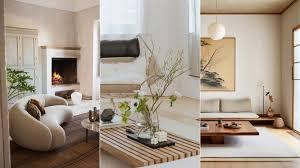 Japandi Decor in Different Rooms,Pinterest
Maintaining a Japandi Aesthetic
Maintaining the serene and balanced aesthetic of Japandi design requires a continuous and conscious effort. Regularly evaluate your living space, becoming acutely aware of accumulated clutter. Adopt a ruthless approach to decluttering, keeping only items that serve a purpose or bring genuine joy. When selecting furnishings, prioritize quality and craftsmanship over sheer volume. Invest in fewer, well-made pieces that are designed to last and stand the test of time. Embrace natural elements by introducing fresh flowers, carefully selected plants, or foraged branches. These organic touches soften the space and connect it to the outside world. Although Japandi is rooted in minimalism, it's not devoid of seasonality. Subtle nods to the changing seasons can be incorporated through textural changes in textiles, the addition of a single seasonal bloom, or the introduction of earth-toned accessories that reflect the current time of year, all while remaining true to the overall minimalist philosophy. The key is restraint and intentionality, ensuring any addition complements the existing design and contributes to the overall sense of calm and harmony.
Conclusion
Japandi decor is not just a design trend but a lifestyle that promotes tranquility amid modern chaos. By blending Japanese and Scandinavian elements, you can create serene spaces that reflect personal style and foster a sense of peace.

explore further
Latest from Contemporary ideas
More from Innovations
Resources


